
Paddle Cactus
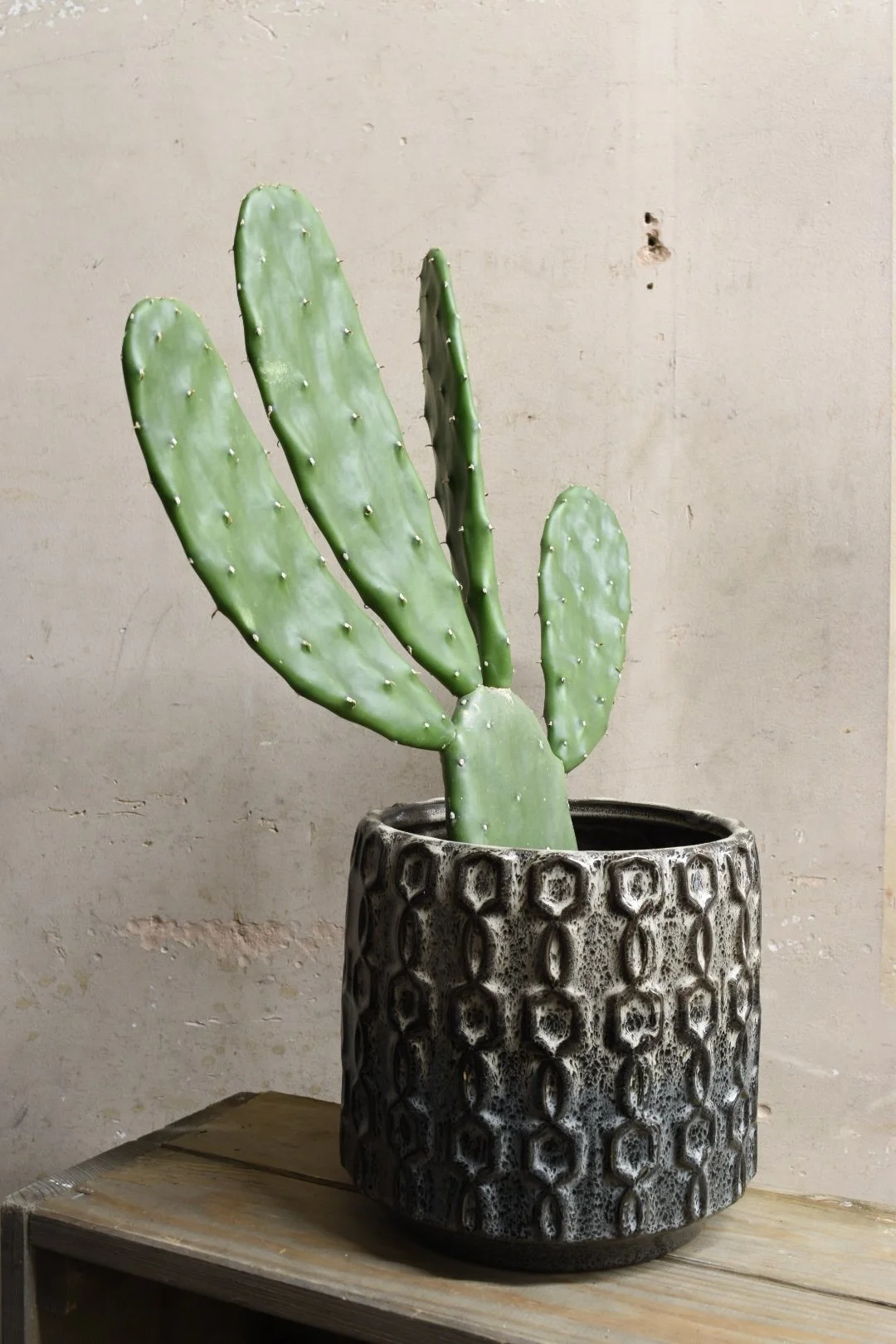
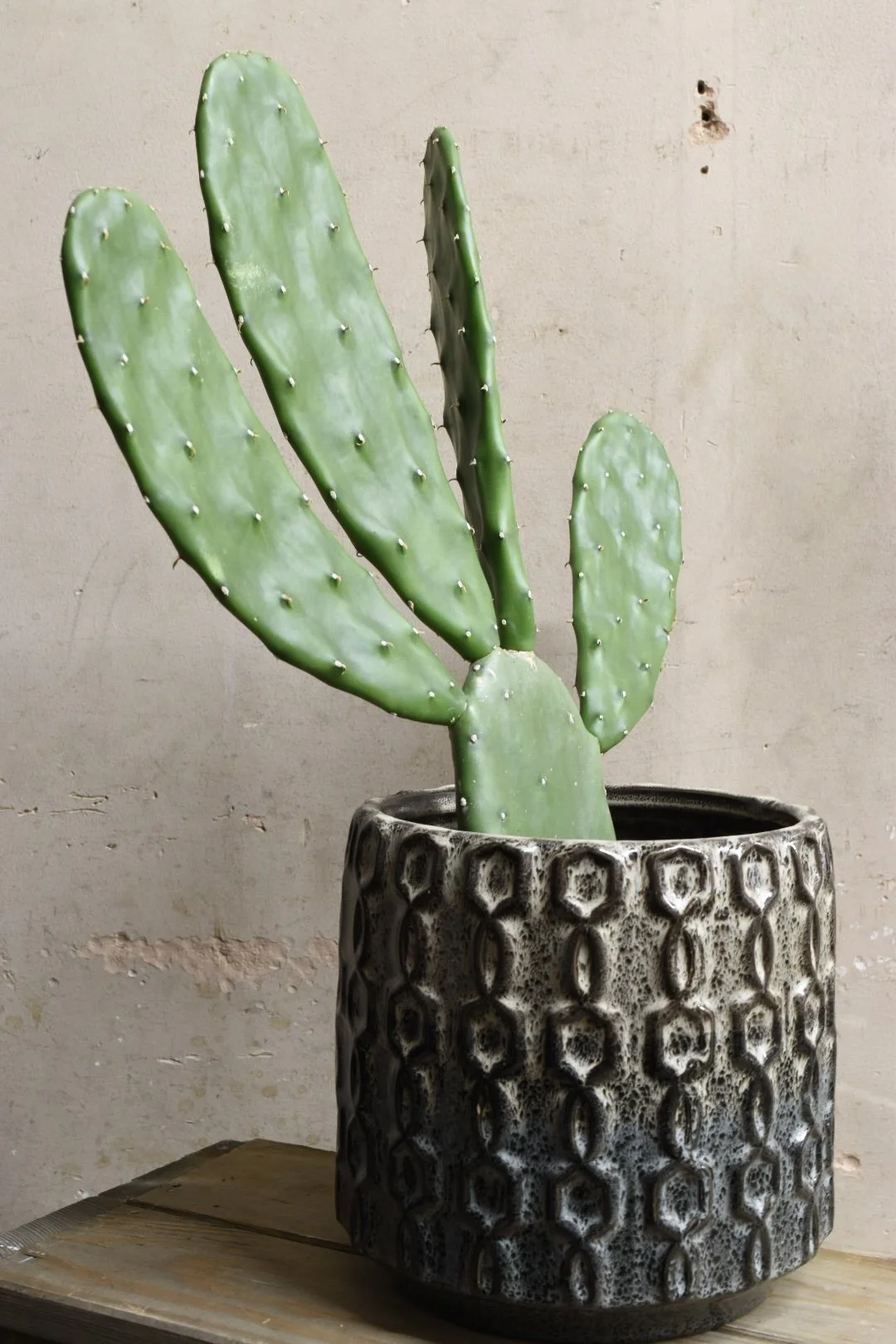
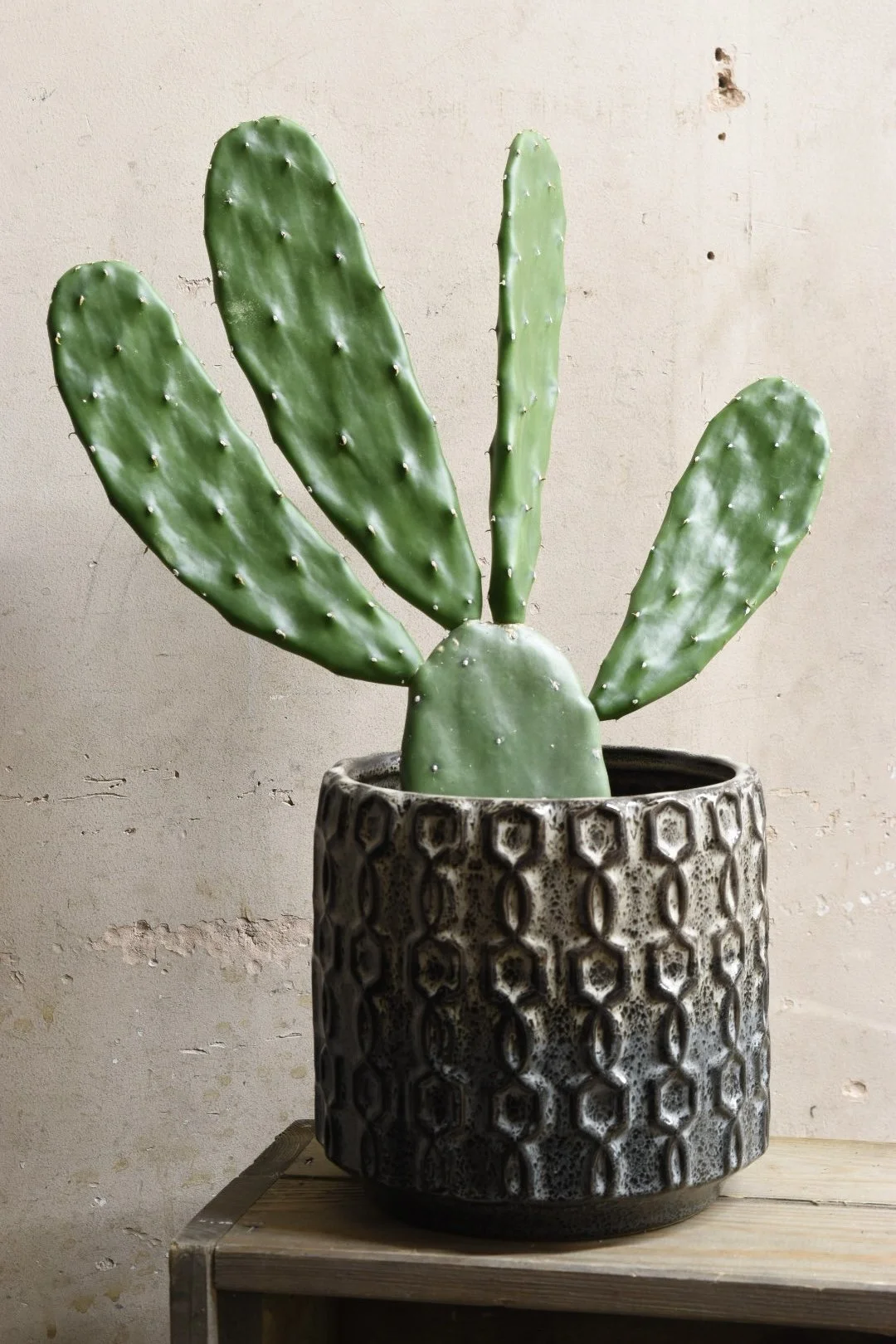
Paddle Cactus
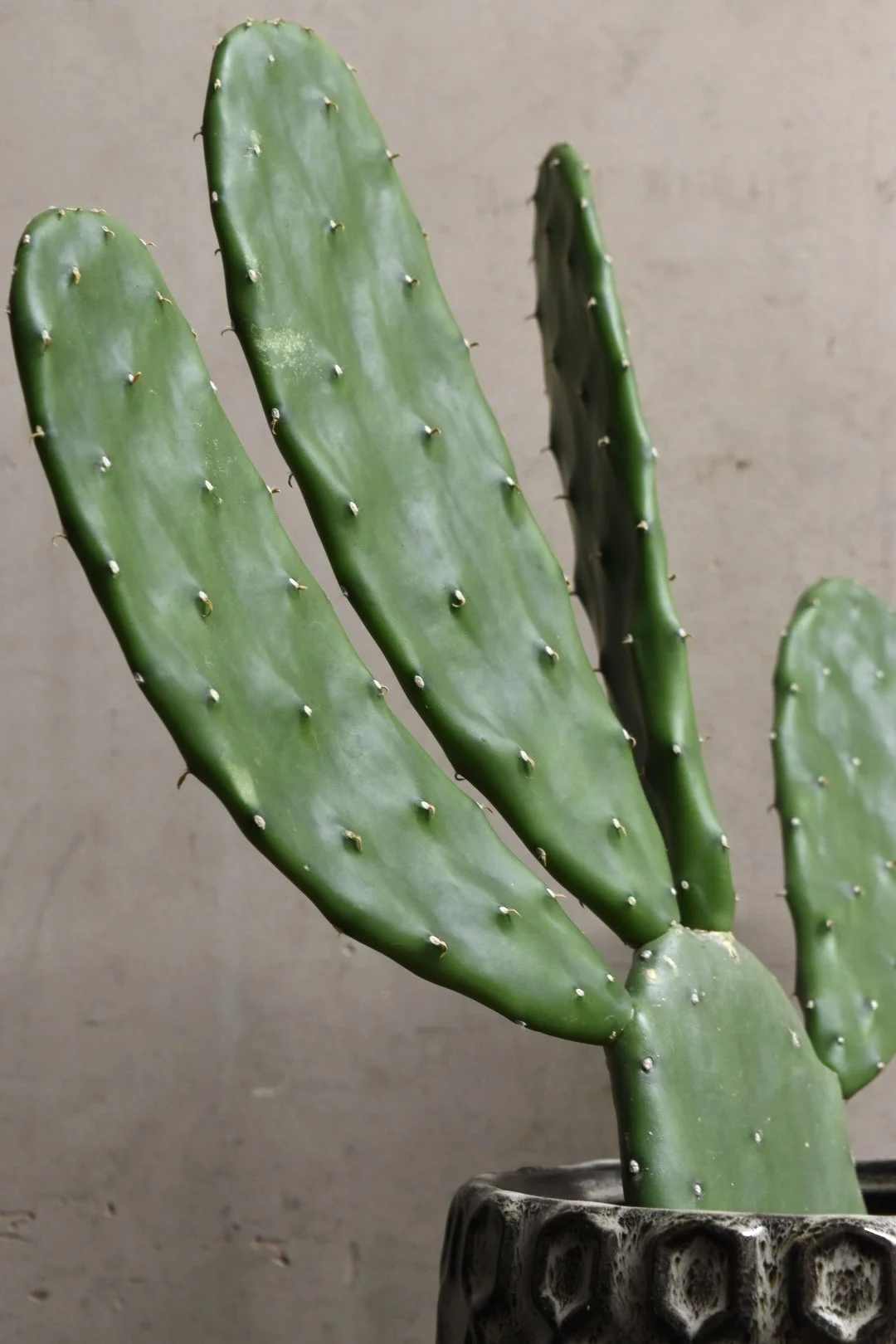
Paddle cactus (Opuntia species, commonly O. ficus-indica and O. polyacantha) is a group of columnar-to-cladode cacti characterized by flat, paddle-shaped stems called pads or cladodes. These pads are typically green, succulent, and covered with areoles that bear glochids (tiny barbed bristles) and sometimes larger spines. Paddle cacti produce showy, often yellow or red flowers and edible fruit known as tunas. Common uses include ornamental landscaping, container culture, and edible fruit production.
Light
Provide bright, direct sunlight for at least 6 hours daily. A south- or west-facing window is ideal.
Temperature & Humidity
Prefers warm temperatures: 65–85°F (18–29°C). Tolerates short dips to around 50°F (10°C) but avoid prolonged cold.
Soil & Pot
Use a fast-draining cactus or succulent mix. You can make a mix by combining regular potting soil with coarse sand or perlite (about 50/50).
Watering
Water thoroughly, then allow the top 1–2 inches (2.5–5 cm) of soil to dry out before watering again. In active growth (spring–summer): water roughly every 2–3 weeks, depending on heat and light.
Fertilizer
Feed once a month during spring and summer with a balanced, diluted cactus fertilizer (low nitrogen). Do not fertilize in fall and winter.
Repotting & Growth
Repot every 2–3 years or when root-bound. Handle paddles carefully using thick gloves or tongs — the glochids (tiny spines) can irritate skin.
Safety
Many Opuntia species have glochids that detach easily and irritate skin and eyes. Use gloves and eye protection when handling or moving plants.