
Opuntia Consolea
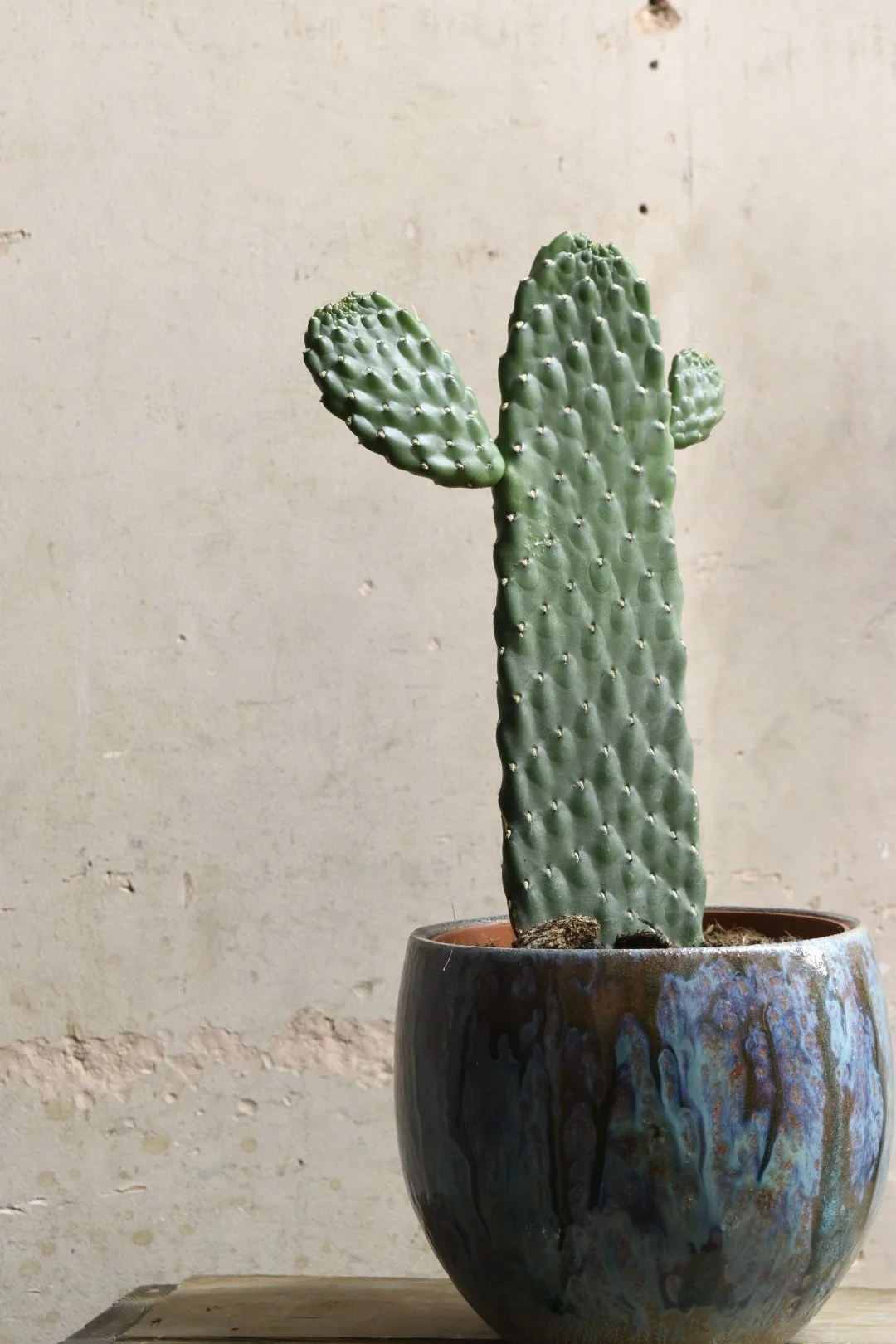
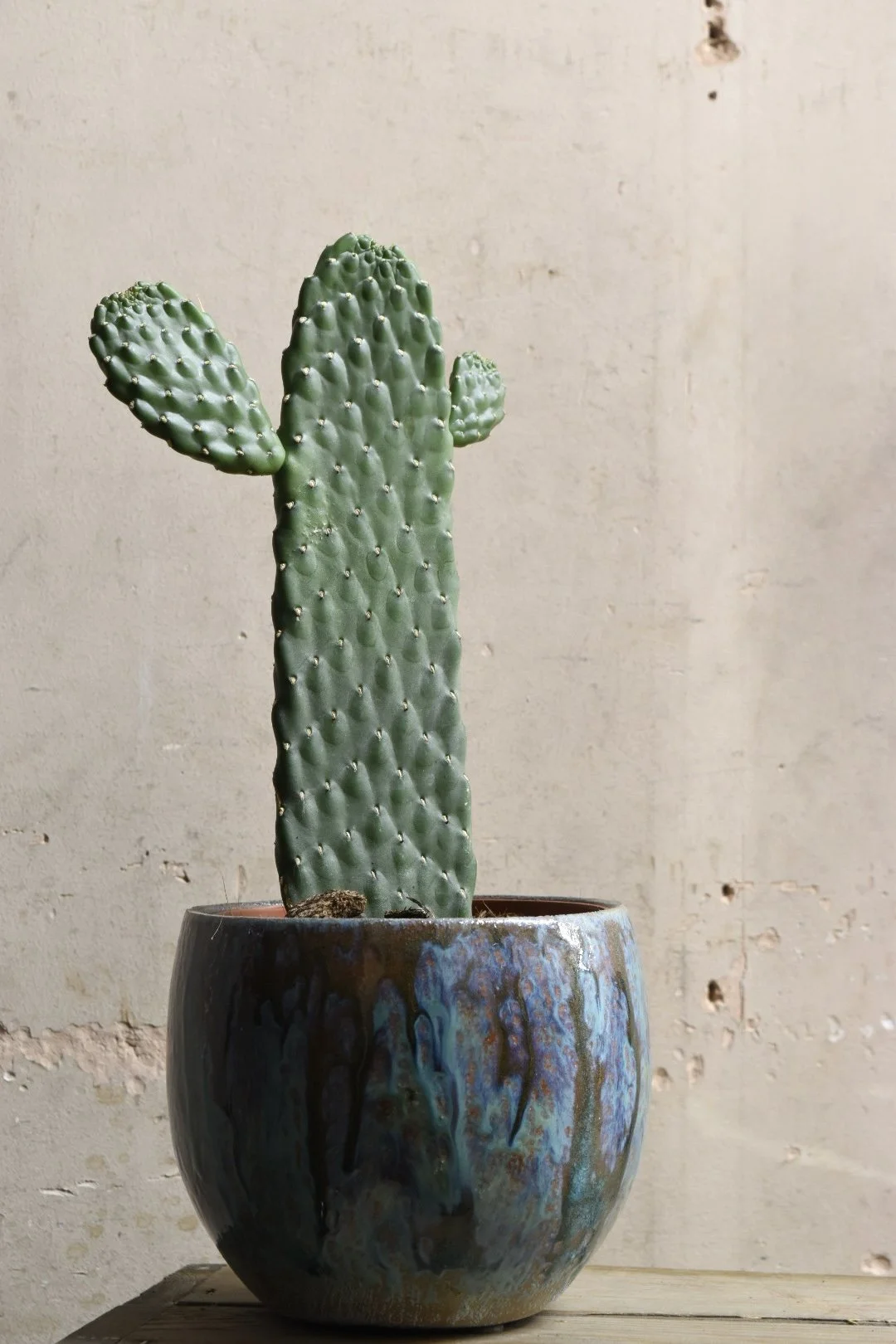
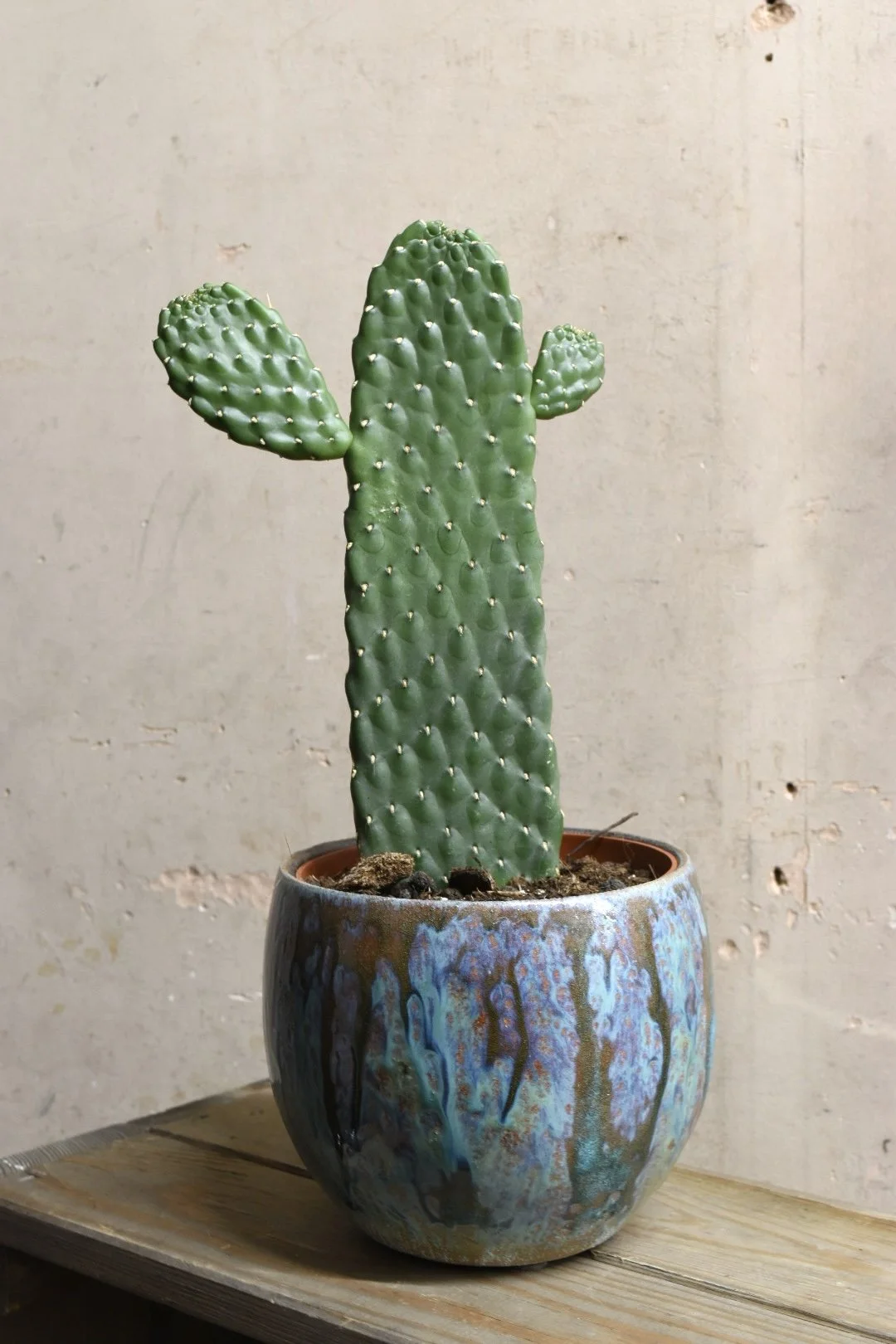
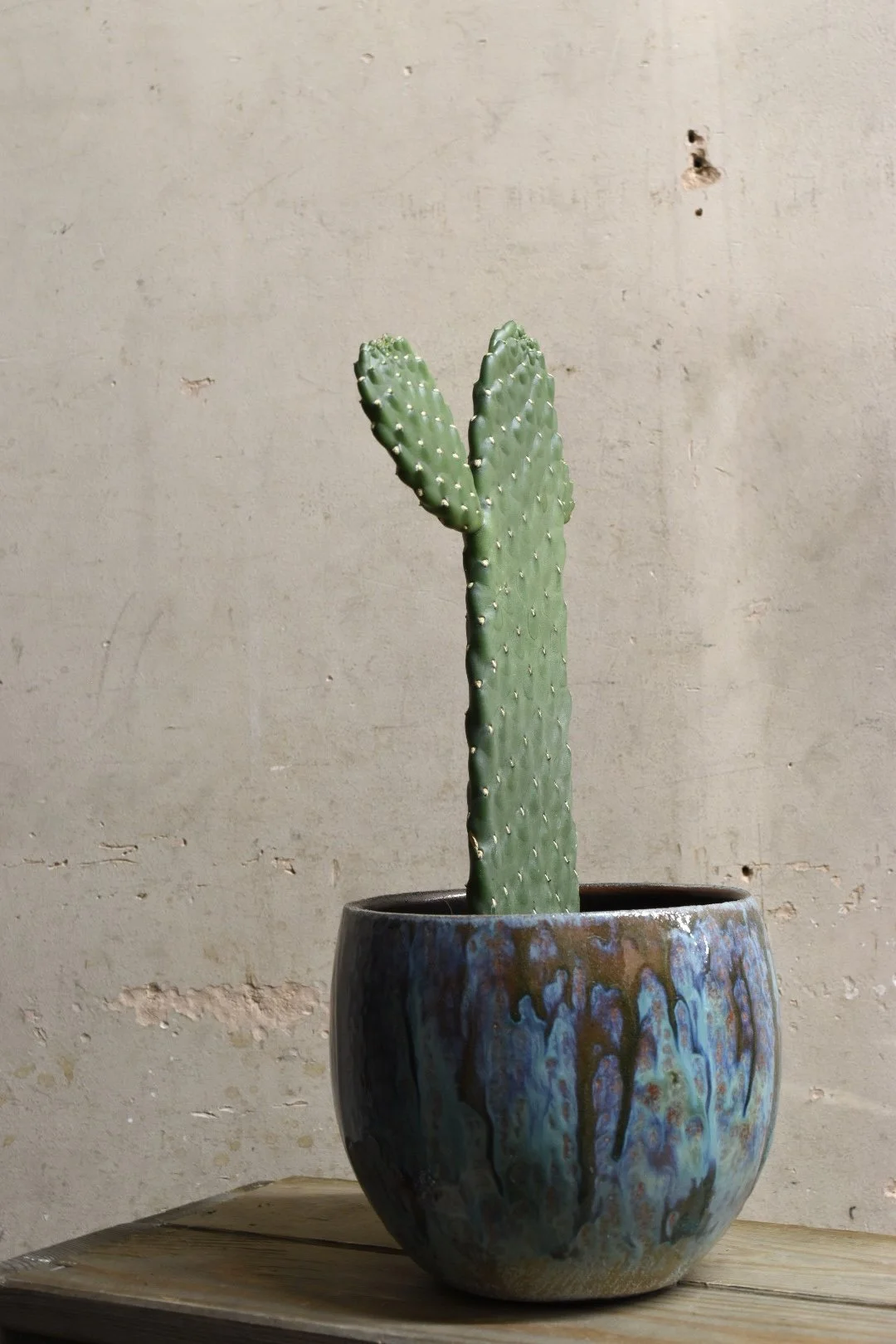
Opuntia Consolea
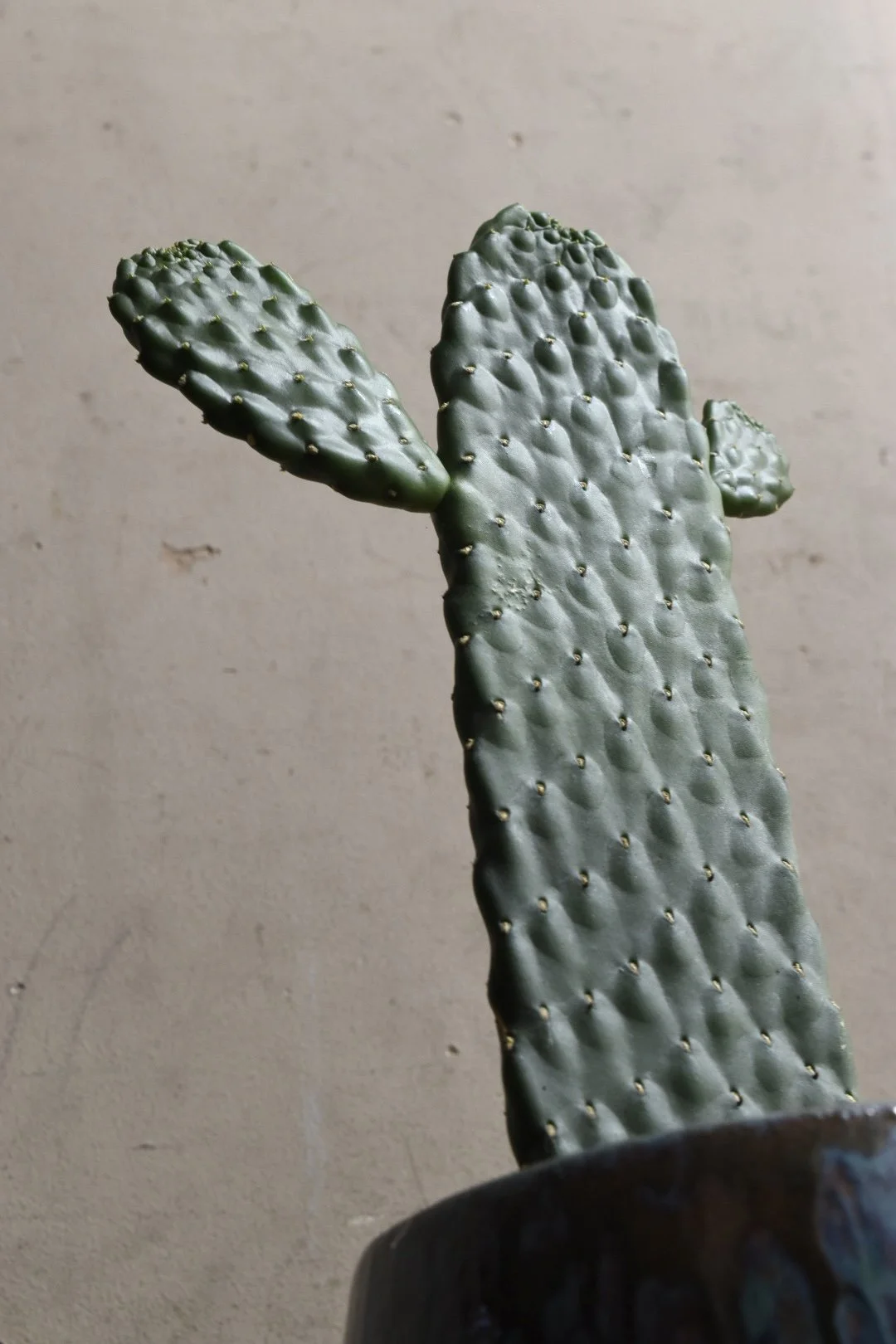
Opuntia consolea (commonly called the tree cactus or prickly pear tree) is a shrubby, columnar cactus native to the Caribbean and parts of the Caribbean coast of the Americas. It forms upright, branching stems made of flattened pads (cladodes) that can reach several meters tall, giving a small-tree habit. Pads are green to bluish-green, often smooth or sparsely spined, and produce showy yellow to orange flowers followed by edible, pear-shaped fruits.
Light
Provide full sun to very bright light. Aim for at least 6 hours of direct sunlight daily (south- or west-facing window ideal).
Temperature & Humidity
Prefers warm temperatures: 65–90°F (18–32°C). Tolerates short dips to about 25–30°F (-4 to -1°C) for cold-hardy varieties, but best kept above 50°F (10°C) indoors.
Soil & Potting
Use a fast-draining cactus or succulent mix. You can improve drainage by adding coarse sand, perlite, or pumice.Choose a pot with drainage holes; terra cotta is a good option because it breathes and dries faster.
Watering
During active growth (spring–summer): water every 2–4 weeks depending on temperature, light and pot size. Water thoroughly, then allow soil to dry out completely between waterings.
Fertilizer
Feed lightly during spring and early summer with a balanced, diluted cactus/succulent fertilizer (e.g., 5-10-5) once a month.
Pruning & Training
Prune to remove damaged or diseased pads; use clean, sharp tools and allow cut surfaces to callus for several days before replanting or exposure to moisture.
Pests & Problems
Glochids (tiny detachable spines) can irritate skin—handle with thick gloves and use tongs or newspaper to move pads.
Propagation
Easily propagated from pads: allow cut pad to callus for several days, then place on dry soil or lightly insert into soil. Rooting may take a few weeks to months.
Flowering
Produces showy flowers in suitable climates; abundant sun, warm temps, and seasonal cycles promote blooming.
Safety
Pads and glochids are spiny—keep away from children and pets. Some Opuntia fruits are edible for certain species, but check species-specific guidance before consumption.