
Pachycereus Pringlei
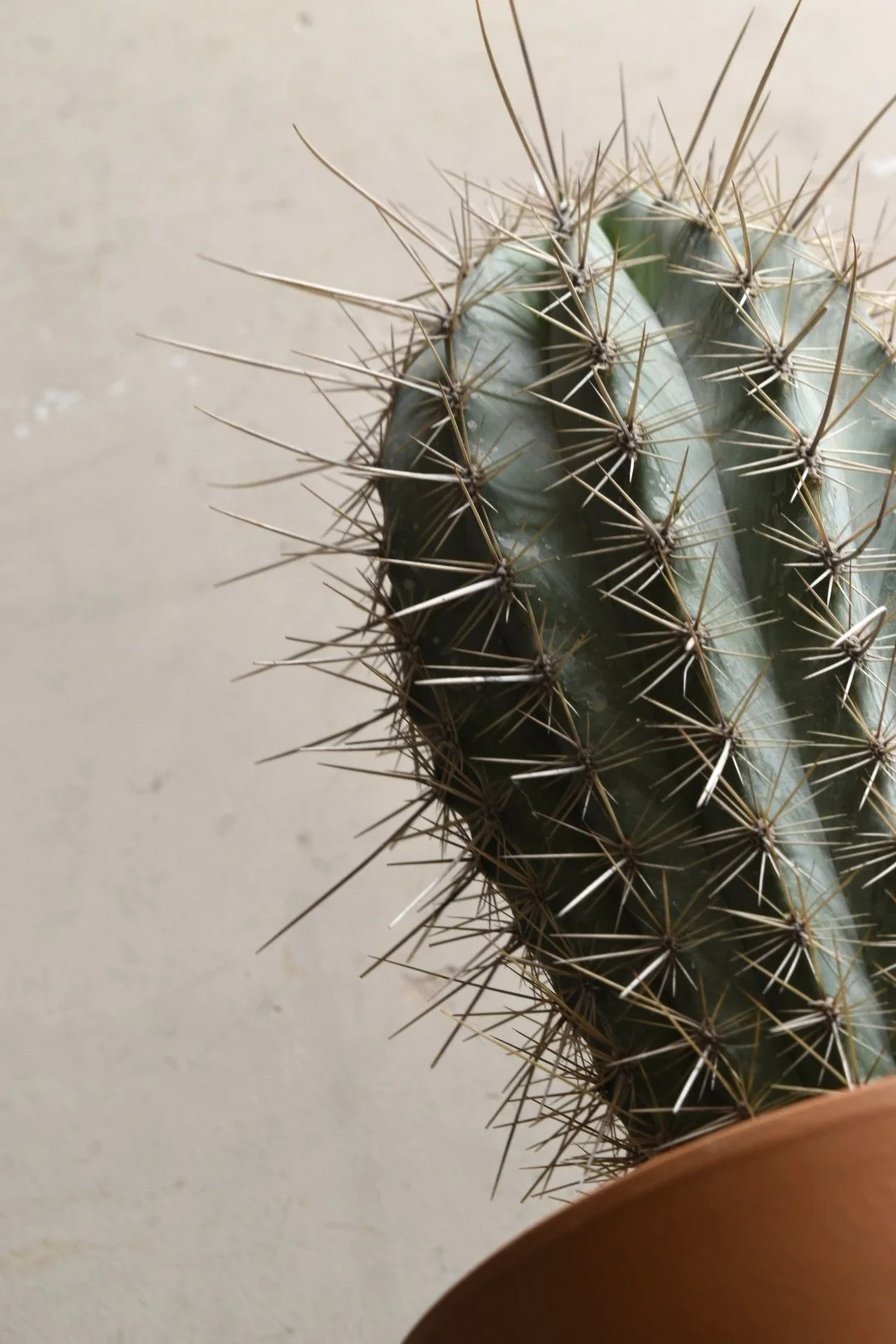
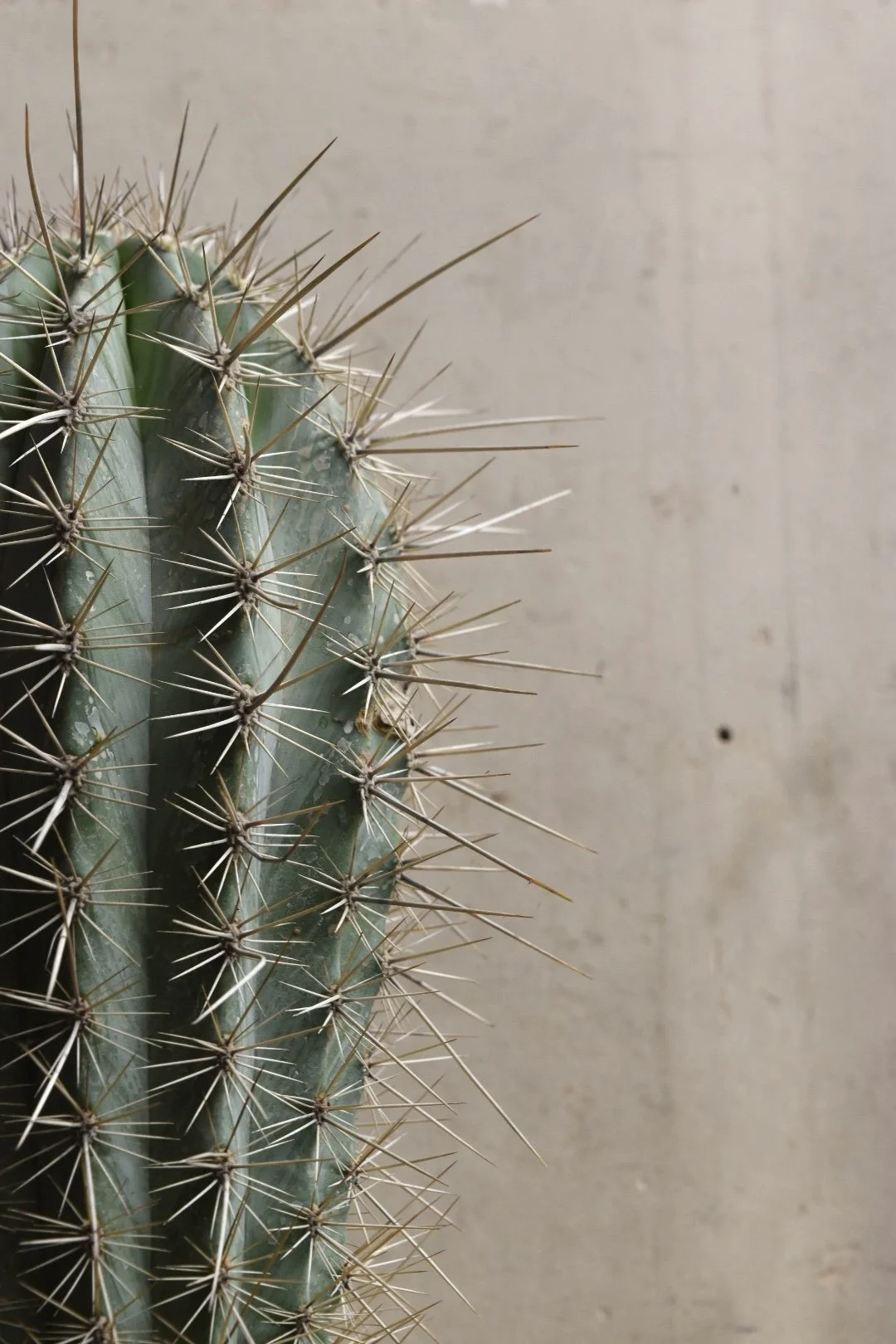
Pachycereus Pringlei
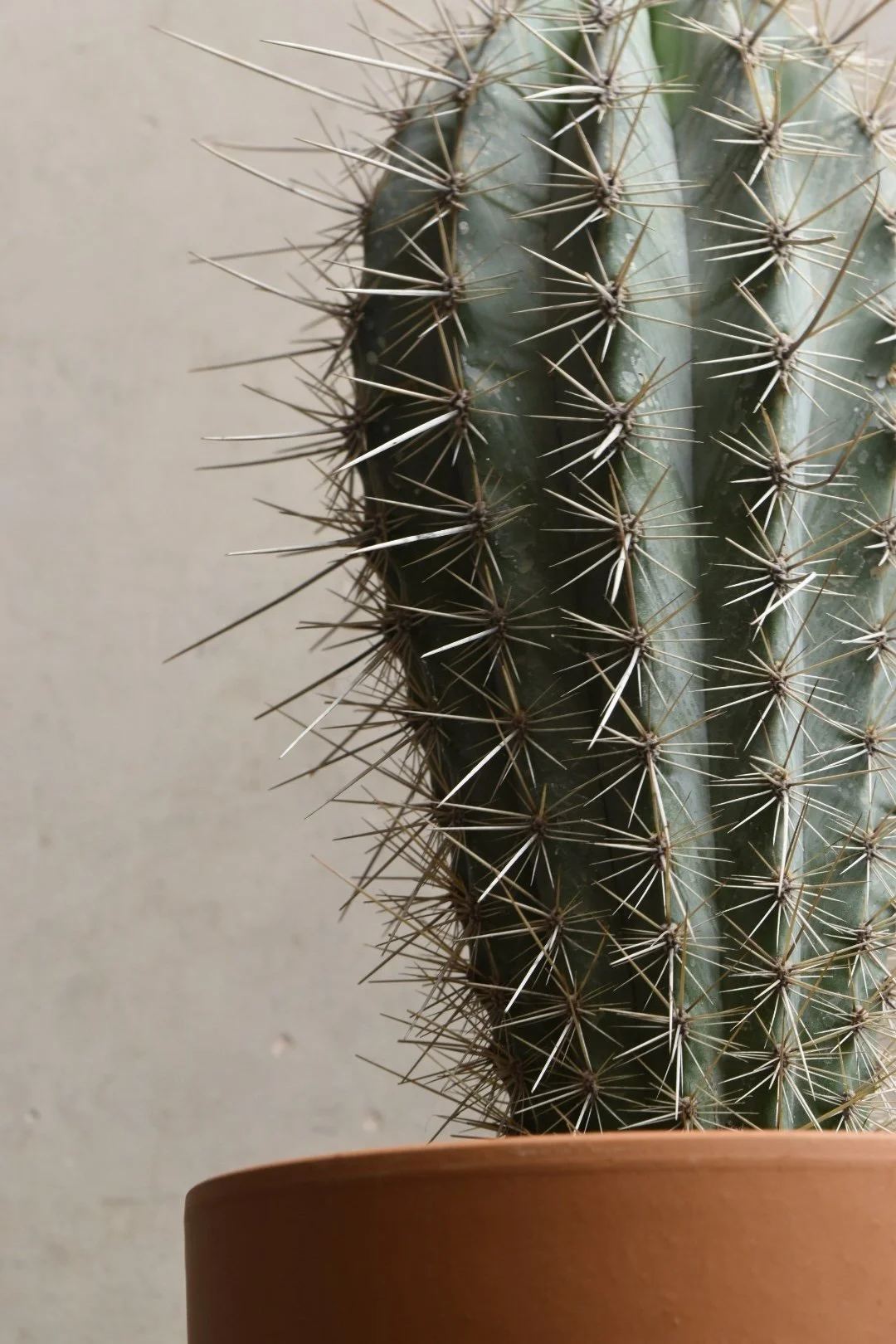
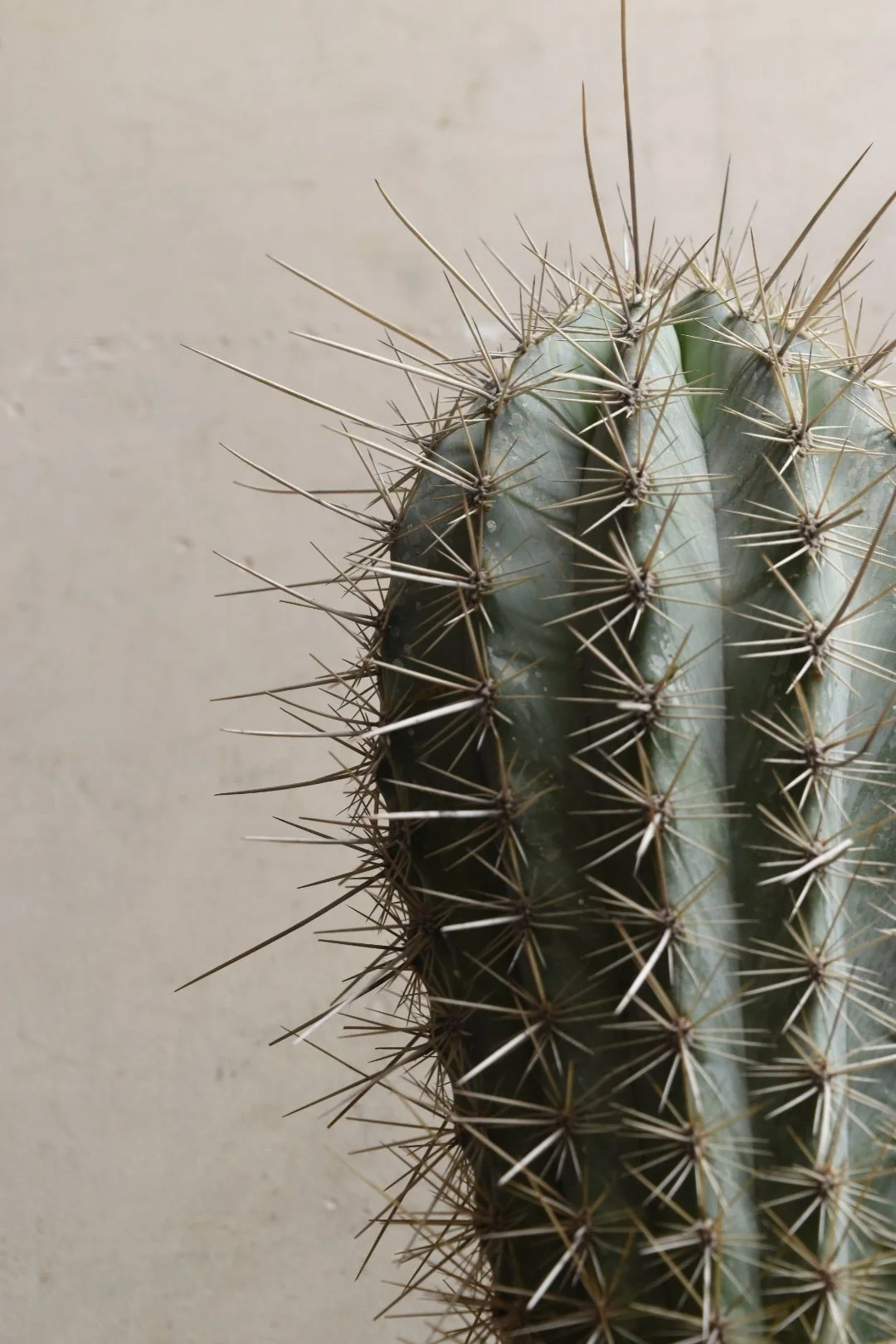
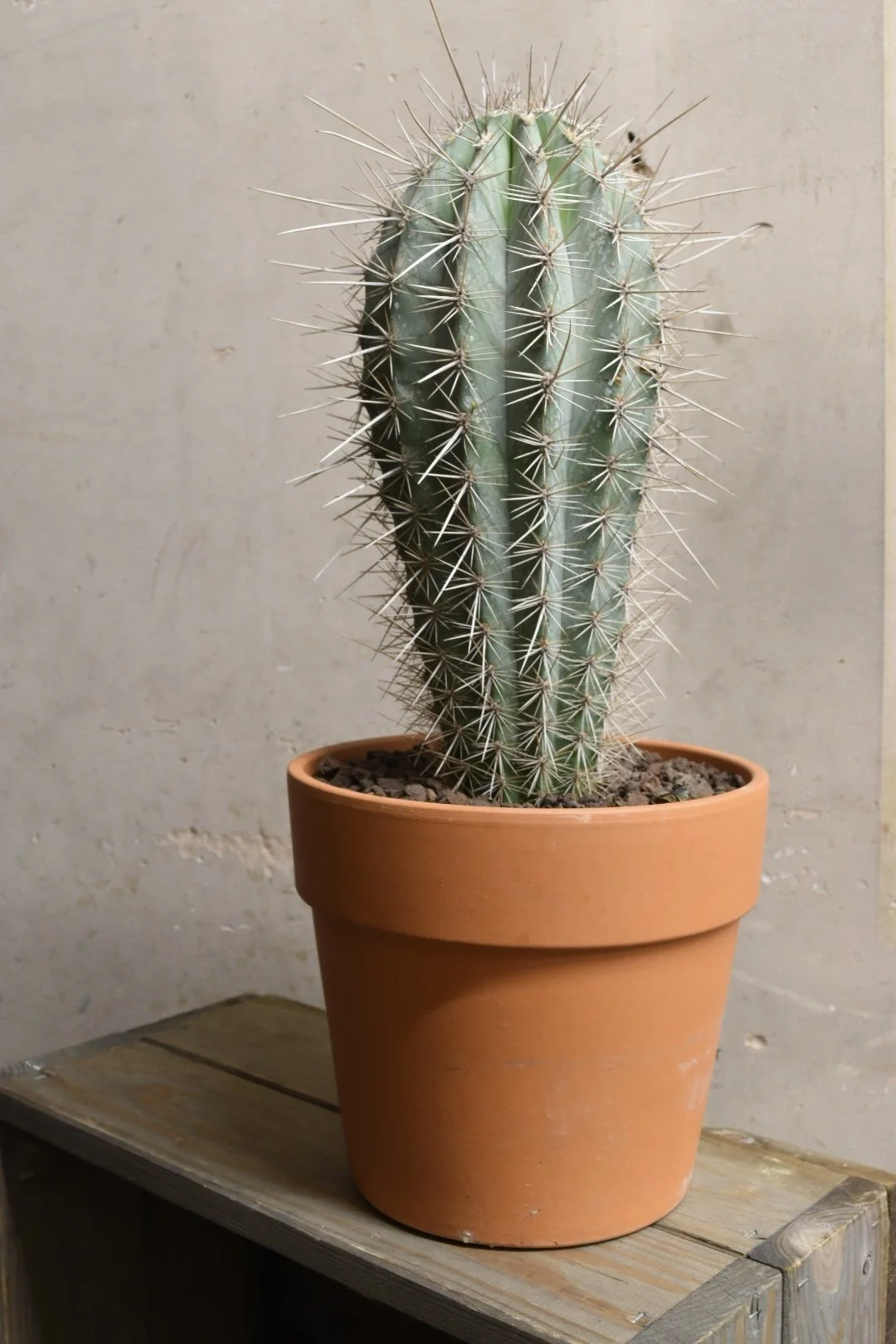
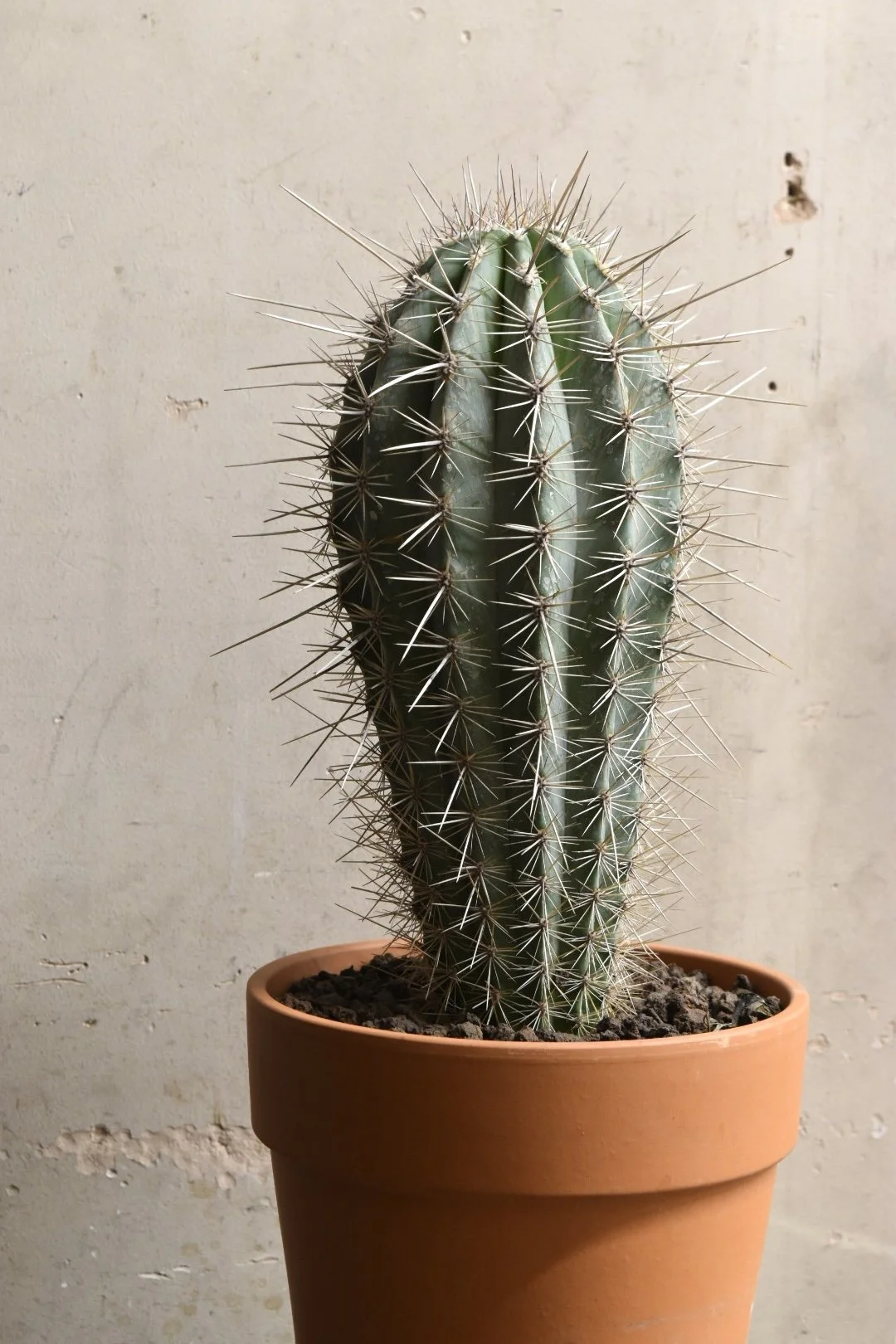
Pachycereus pringlei (commonly called Mexican giant cardon or elephant cactus) is a columnar, tree-like cactus native to northwestern Mexico, including the Baja California peninsula and Sonoran Desert. It can grow over 60 feet tall with a thick, woody trunk and multiple upward-reaching branches. Stems are bluish-green to gray-green, ribbed, and densely armed with stout, sharp spines arranged along areoles. The species produces nocturnal, funnel-shaped white flowers in late spring to summer, followed by edible, fleshy fruits. Pachycereus pringlei is slow-growing but extremely long-lived, tolerant of heat, drought, and alkaline soils, and is often used in xeric landscapes and large container or garden specimens where space allows.
Light
Full sun is best. Provide at least 6–8 hours of direct sunlight daily. In cooler or wetter climates, protect from prolonged morning/late-afternoon sun when recently moved from lower light to avoid sunburn; however, established plants prefer very bright light.
Temperature
Prefers warm to hot conditions. Ideal range: 70–100°F (21–38°C) in growing season. Minimum winter tolerance generally around 25–30°F (−4 to −1°C) for mature, dry-grown specimens — younger plants are less cold-hardy. Protect from prolonged frost and freezing conditions.
Watering
Typical cactus watering regime: water thoroughly, then allow soil to dry completely before next watering. During active growth (spring–summer), water every 2–4 weeks depending on pot size, substrate, and temperature. In autumn reduce watering; in winter keep very sparse or dry (once a month or less) to prevent root rot. Avoid standing water.
Soil & Potting
Use a fast-draining cactus/succulent mix. Amend regular potting soil with coarse sand, pumice, or perlite (at least 50% inorganic material). Ensure the pot has adequate drainage holes. For outdoor plantings, choose gritty, well-draining soil and a sunny, elevated spot if possible.
Fertilizer
Feed lightly during growing season (spring and summer) with a low-nitrogen, balanced cactus fertilizer diluted to half strength, every 4–6 weeks. Avoid feeding in fall and winter.
Pruning & Training
Minimal pruning required. Remove dead or damaged stems with clean cuts. For large specimens, pruning can help control size; allow wounds to callus before exposure to moisture. Support is generally not needed for healthy plants in ground.
Propagation
Best propagated from seed for long-term specimens. Stem cuttings can root but may take time and require dry callusing before planting.
Safety
Spines are sharp; handle with thick gloves and tools. Take care when placing near walkways or children.