
Eriocactus Leninghausii Albispina
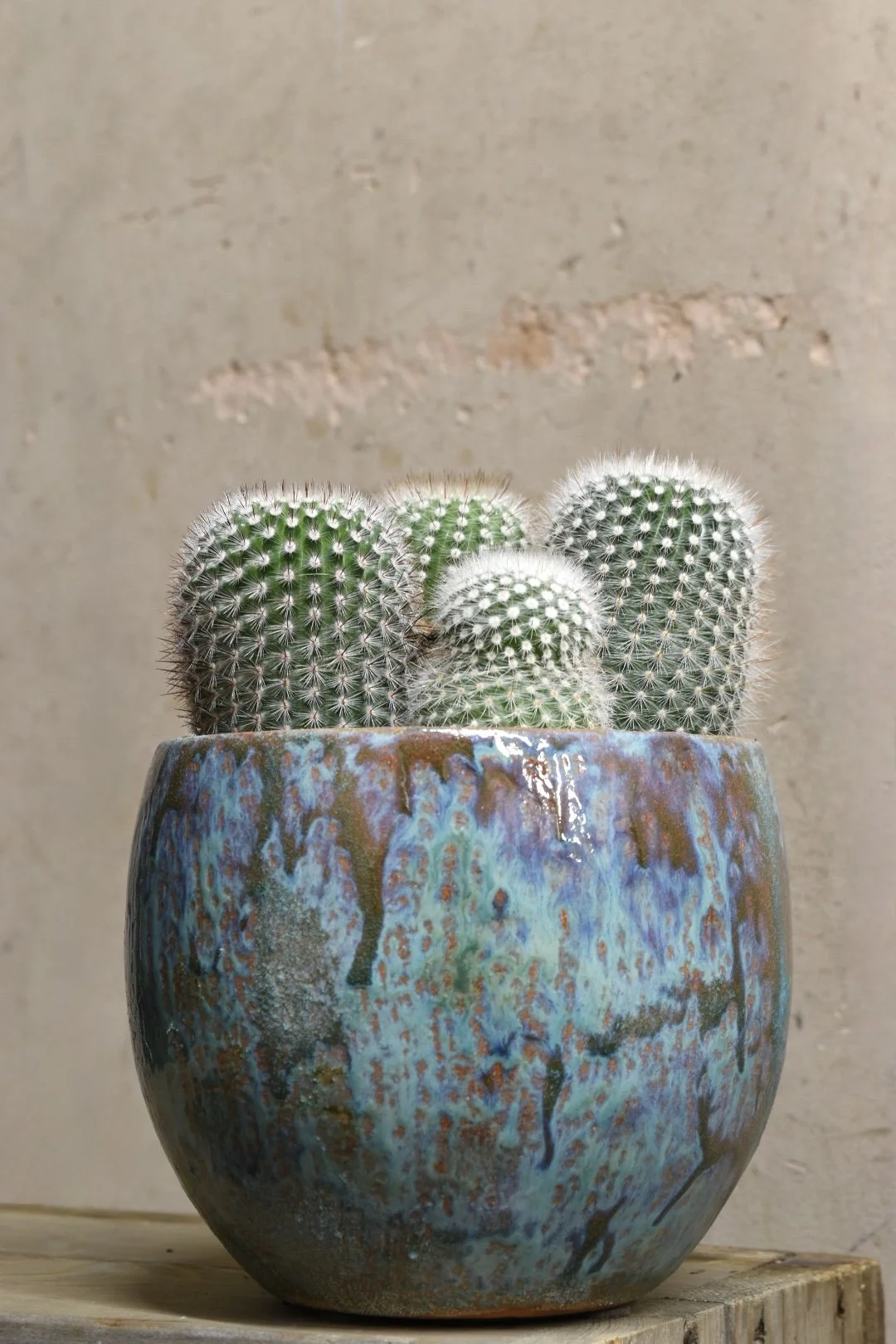
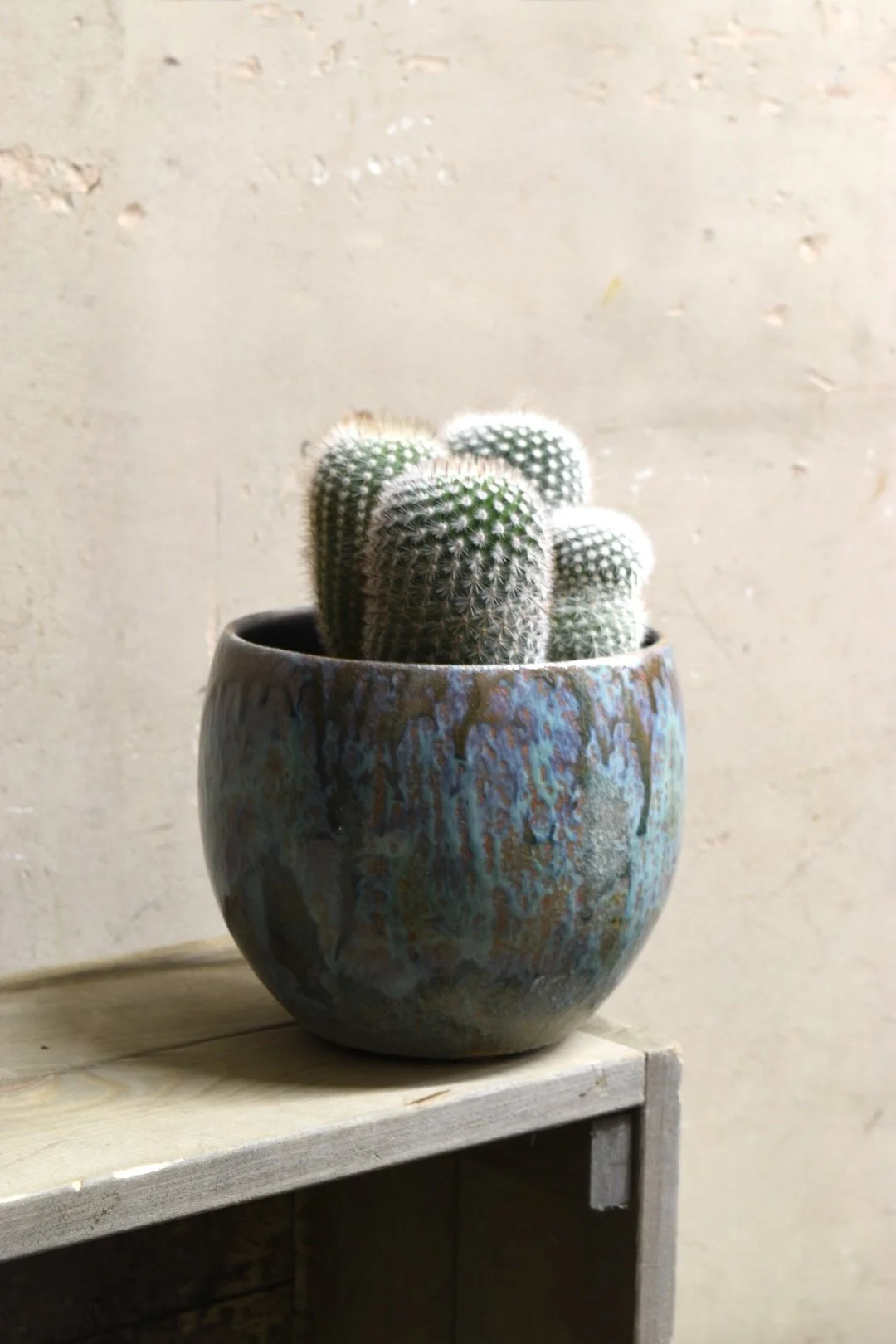
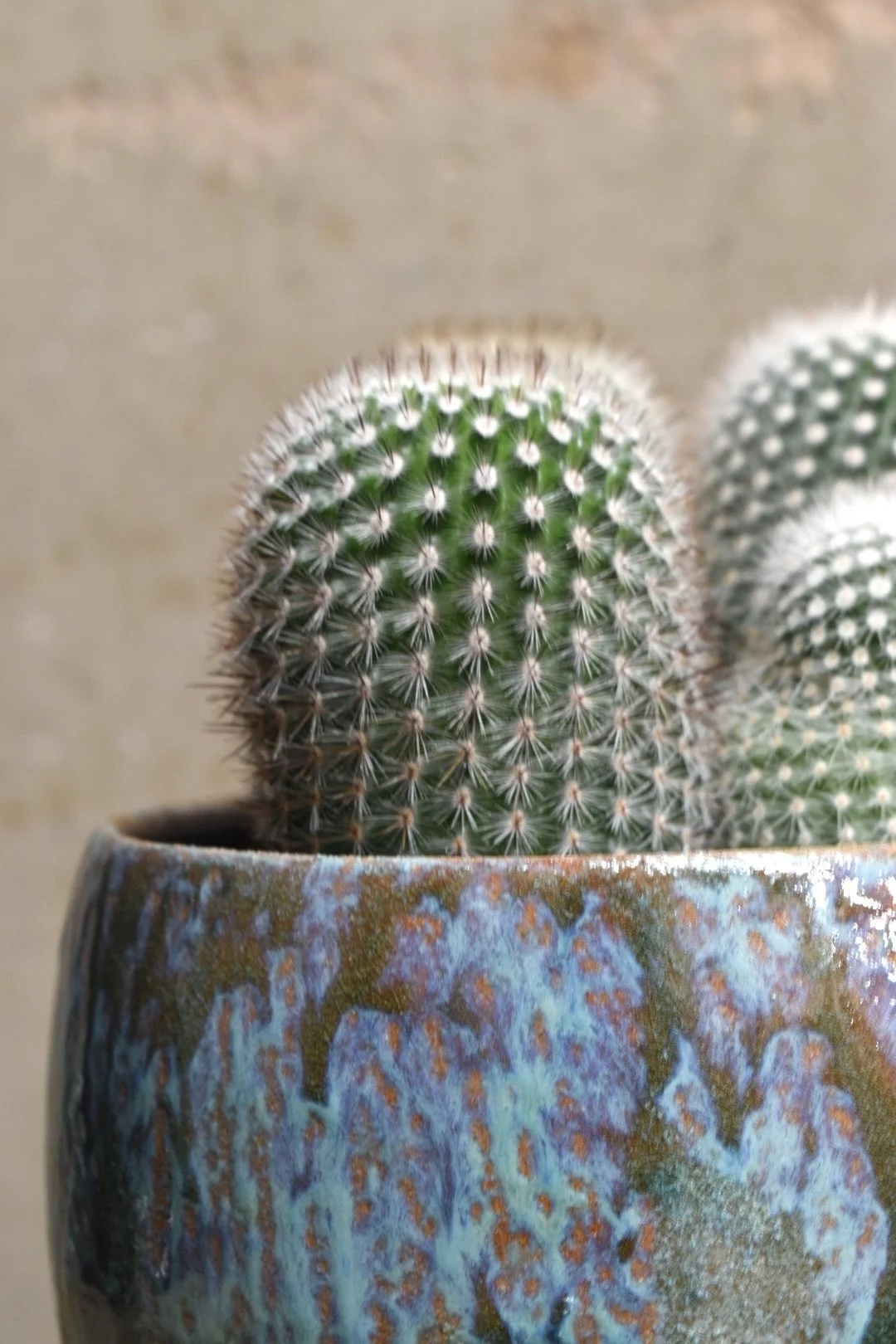
Eriocactus Leninghausii Albispina
Eriocactus leninghausii var. albispinus is a columnar to slightly clustering cactus native to Brazil. It features elongated, ribbed stems covered with dense, short white to silvery spines that give the plant a soft, frosted appearance. Mature specimens can reach 1–2 meters tall in cultivation, forming upright single columns or small clumps. In spring and summer it produces small, funnel-shaped yellow to orange flowers along the stem, followed by small fleshy fruits.
Light
Provide bright light and at least 4–6 hours of direct sun daily. A south- or west-facing window is ideal. Gradually acclimate to stronger sun to prevent scorching.
Temperature
Prefers warm conditions: 65–85°F (18–29°C) in active growth.
Watering
Water sparingly. During spring and summer (active growth), water when the top 2–3 inches (5–7 cm) of soil are dry; soak thoroughly and let excess drain.
Soil & Potting
Use a fast-draining cactus or succulent mix. You can add extra perlite, pumice, or coarse sand for improved drainage.
Fertilizer
Feed lightly during the growing season (spring–summer): a balanced, diluted cactus fertilizer (half strength) every 4–6 weeks. Do not fertilize in winter.
Humidity
Low to average indoor humidity is fine. Avoid prolonged high humidity and poor air circulation.
Pruning & Grooming
Minimal pruning required. Remove dead or damaged stems with clean, sharp tools. Wear gloves and use tongs to avoid spines.
Flowering
Eriocactus often blooms in summer with tubular, red-orange flowers. Good light and a slight winter rest (cooler, drier conditions) encourage flowering.