
Austrocephalocereus Dybowskii
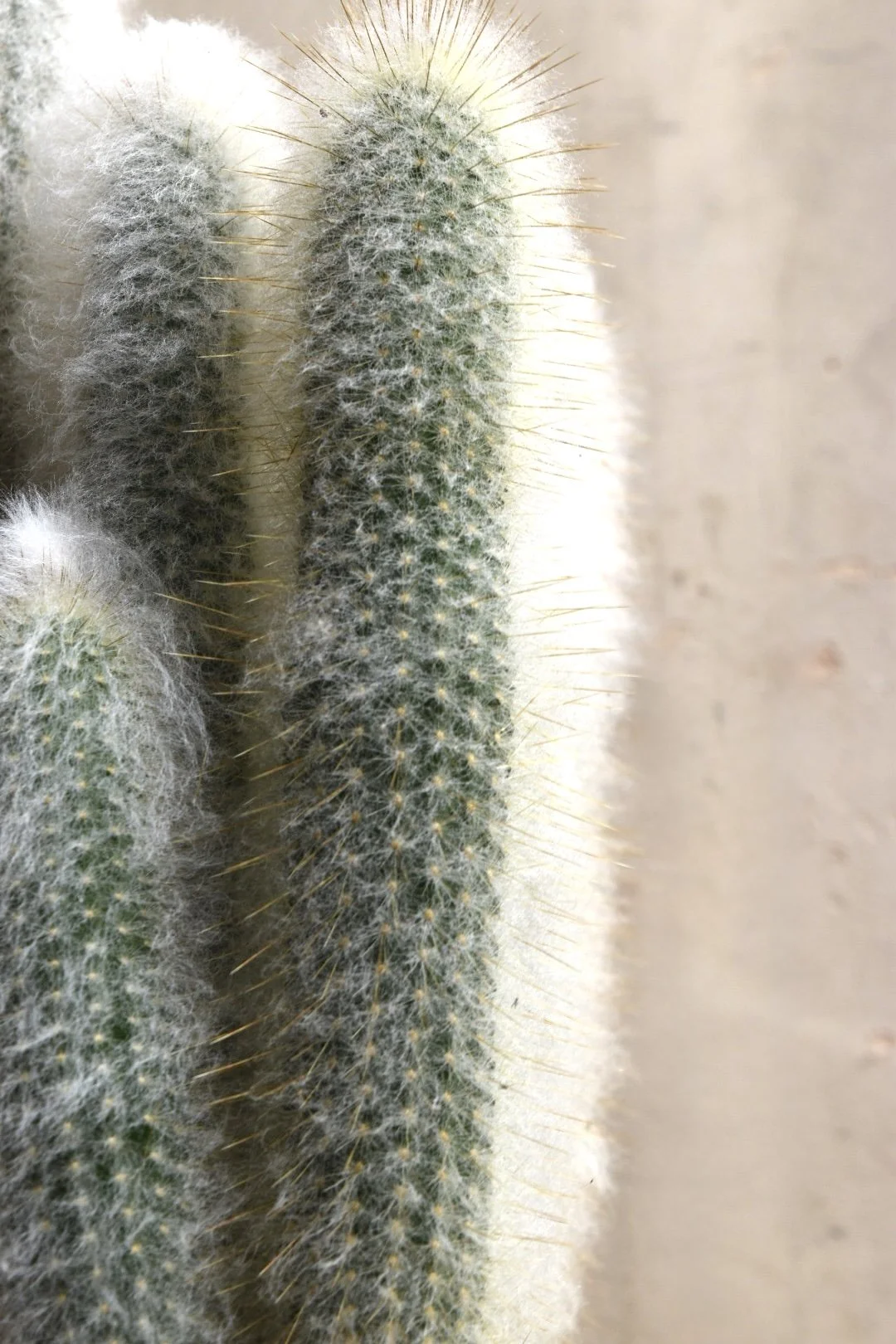
Austrocephalocereus Dybowskii
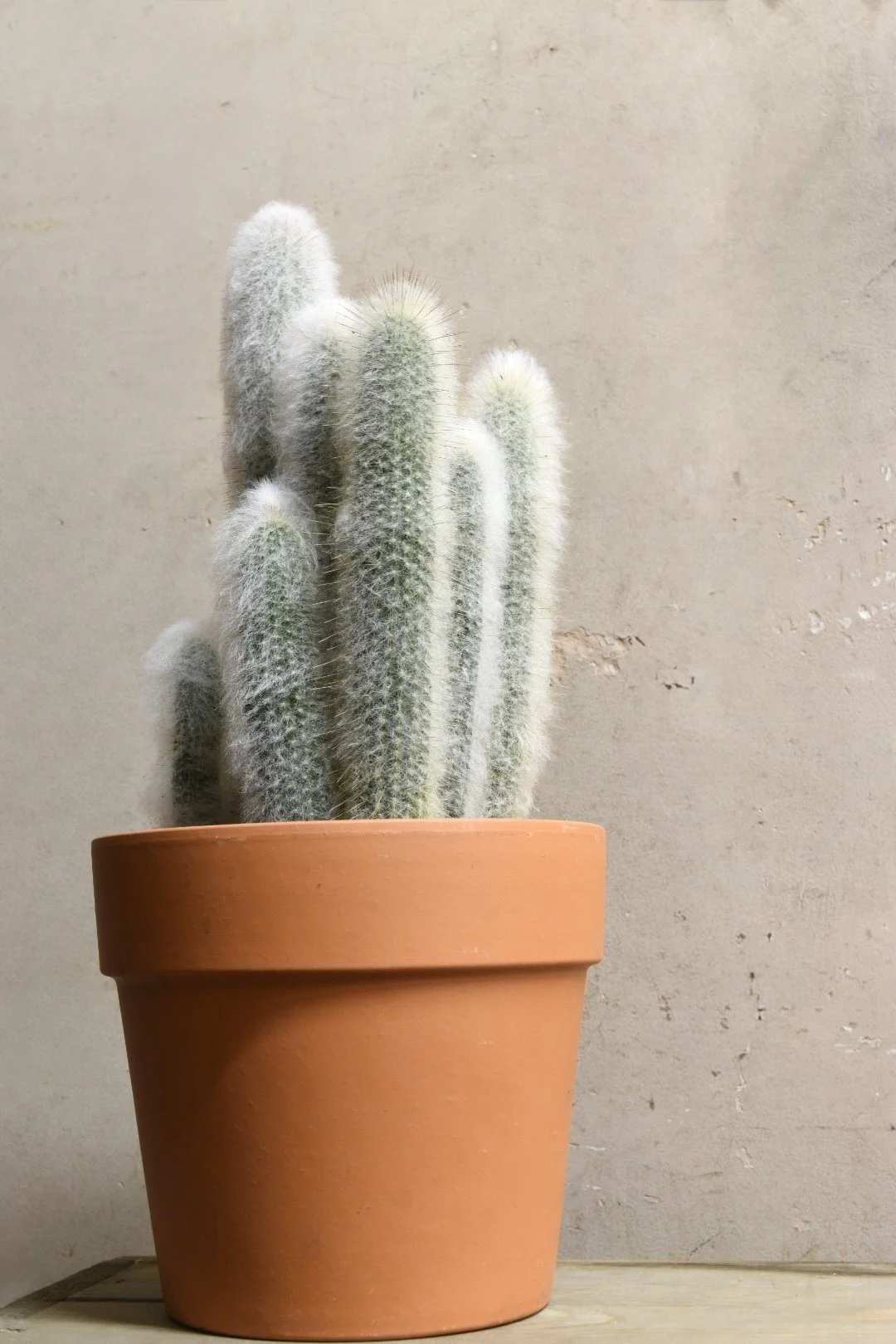
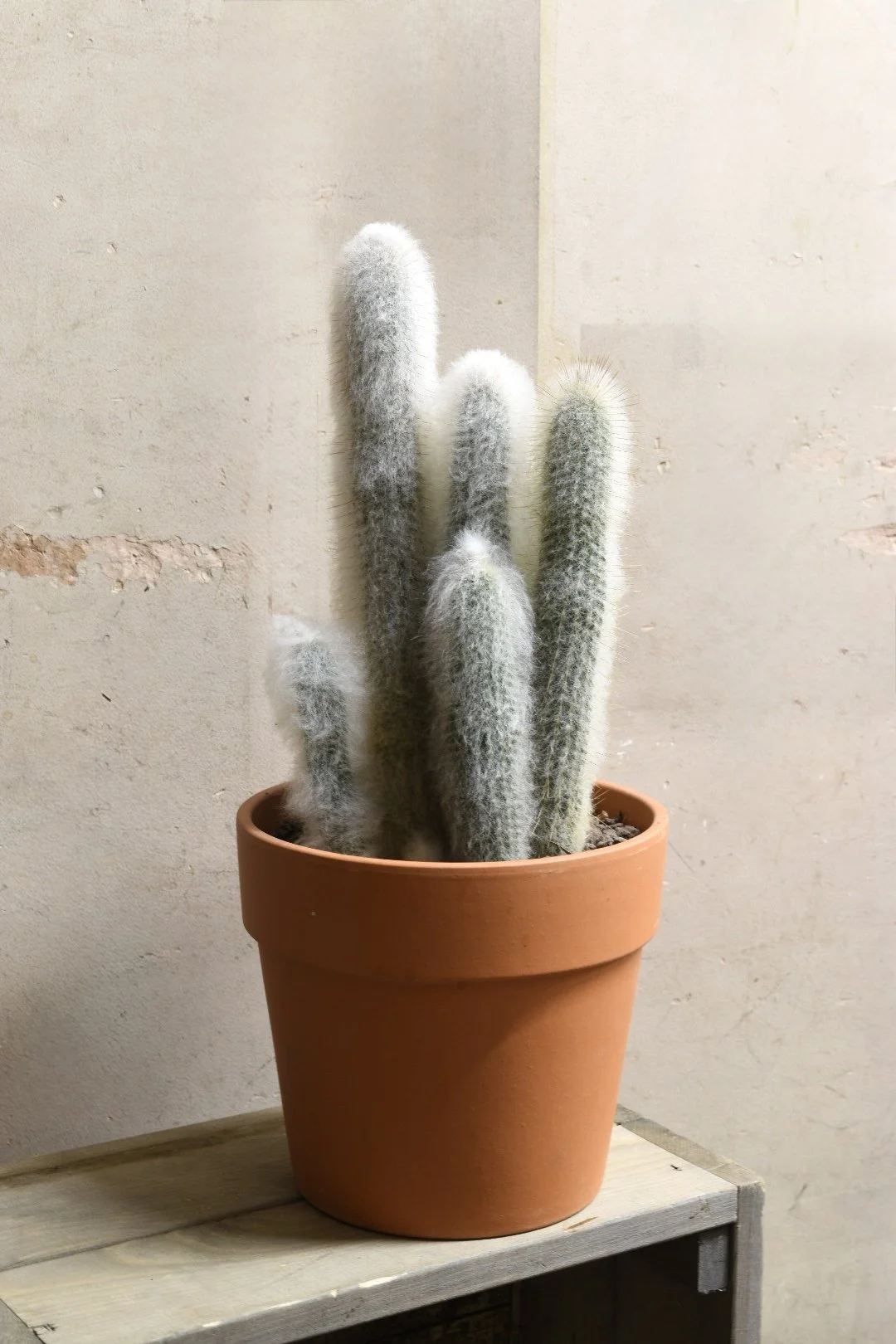
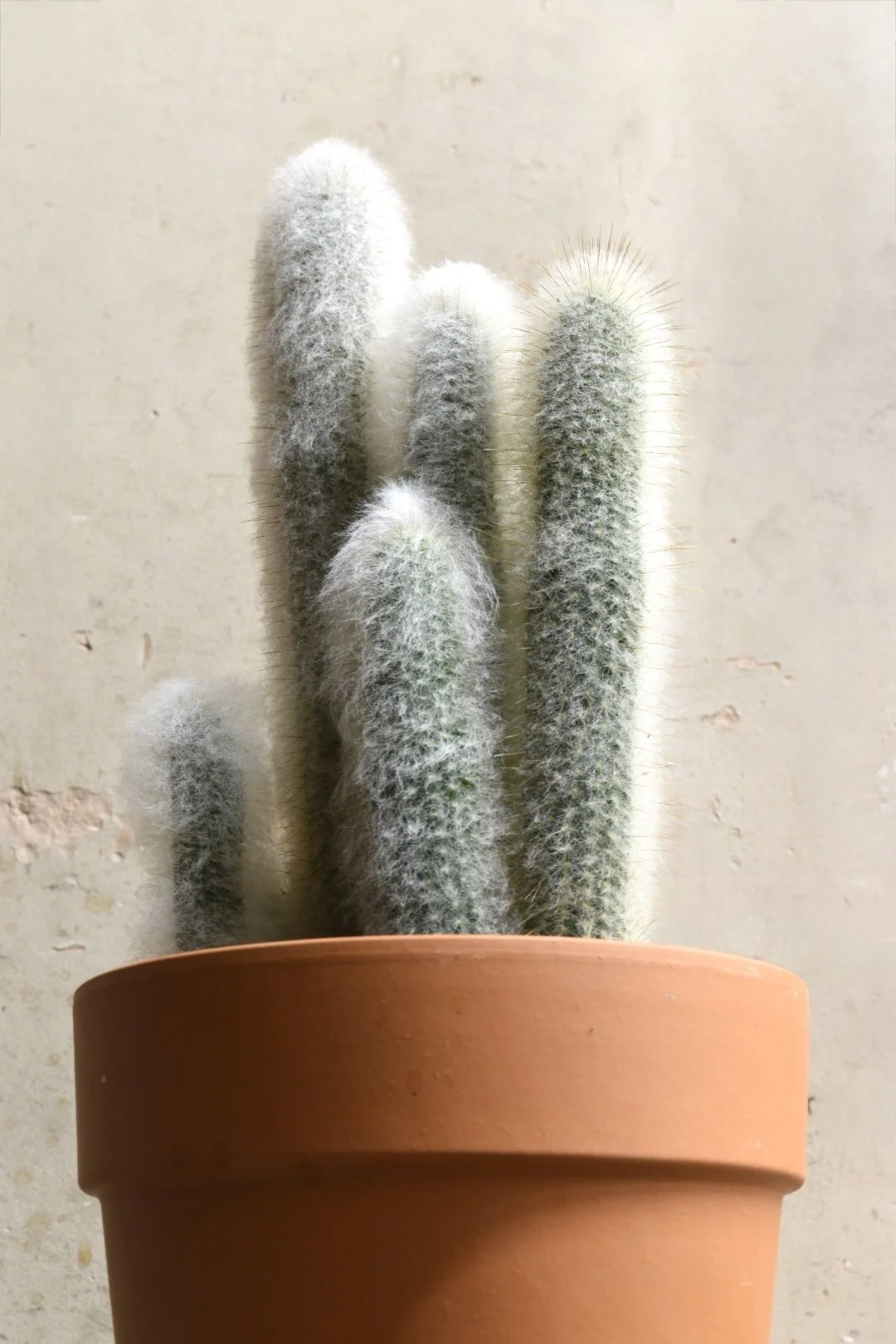
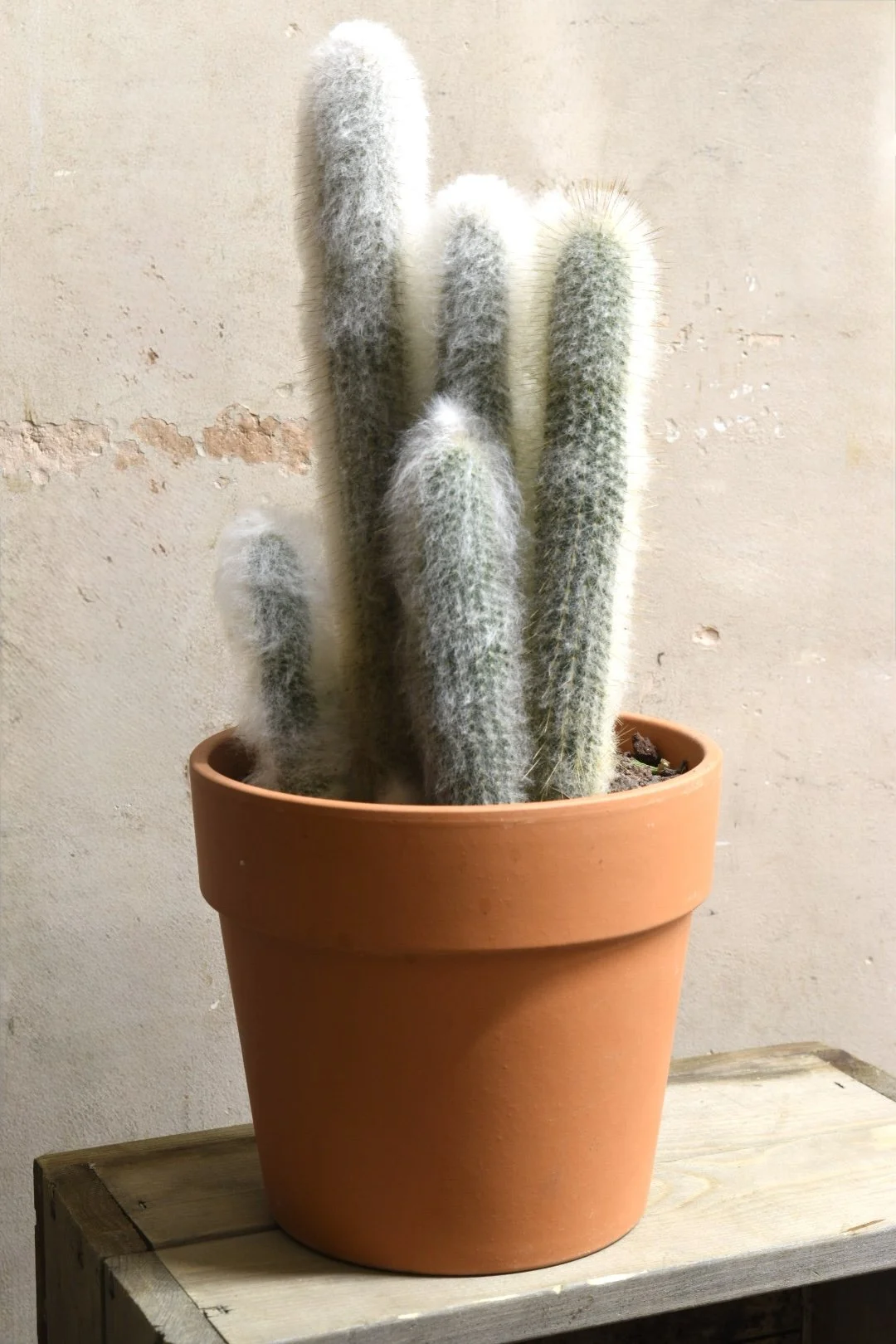
Austrocephalocereus dybowskii is a columnar cactus native to parts of South America, particularly Bolivia and northern Argentina. It forms tall, upright stems that can reach several meters in cultivation, with 8–12 pronounced ribs and woolly areoles. The stems are typically bluish-green to gray-green. Small spines—usually short and radial—arise from the areoles and are not overly sharp. It produces nocturnal, funnel-shaped white to pale pink flowers that open at night and are often followed by small, fleshy fruits. Ideal for collectors seeking an architectural, columnar cactus for sunny spots or conservatories.
Light
Provide bright, direct sun for several hours daily. A south- or west-facing window is ideal. Outdoors, place in full sun with some protection from the hottest afternoon sun in very hot climates.
Temperature
Prefers warm conditions: 65–90°F (18–32°C). Tolerates short dips to around 50°F (10°C) but avoid sustained cold; protect from frost.
Watering
Use a "soak and dry" approach: water thoroughly, then allow the soil to dry completely before watering again. In spring and summer (active growth) water more frequently; reduce watering substantially in autumn and keep minimal in winter (dormant period).
Soil & Potting
Use a fast-draining cactus or succulent mix. You can add extra perlite, pumice, or coarse sand for improved drainage. Choose a pot with drainage holes. Repot every 2–4 years or when rootbound.
Fertilizer
Feed lightly during the growing season (spring–summer) with a balanced, low-nitrogen cactus fertilizer diluted to half strength, about once a month. Do not fertilize in winter.
Humidity
Low to moderate humidity is fine. Avoid high-humidity, poorly ventilated environments.
Grooming & Support
This columnar cactus can grow tall and may develop a woolly cephalium with age. Remove dead or damaged tissue with clean tools. If it leans or becomes top-heavy, provide a stake or move to a deeper pot for stability.
Propagation
Best propagated from seed. Some columnar cacti can be propagated from cuttings, but Austrocephalocereus species are more commonly grown from seed; allow cut ends to callus before planting if attempting cuttings.
Flowering
May produce nocturnal or seasonal flowers from the cephalium when mature. Patience required—flowering can take many years.