
Oreocereus Trollii 'Old Man of the Mountain'
Oreocereus Trollii 'Old Man of the Mountain'
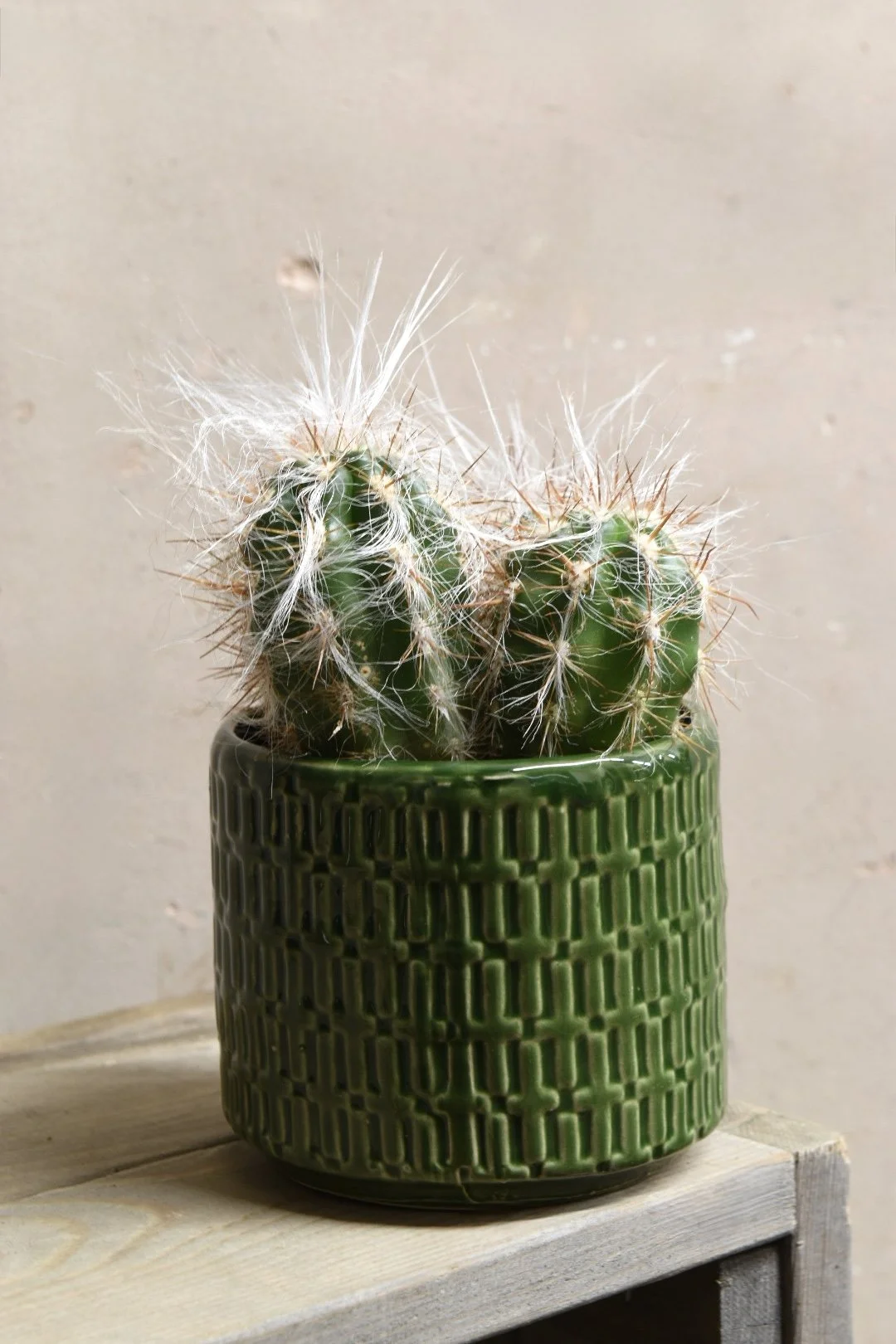
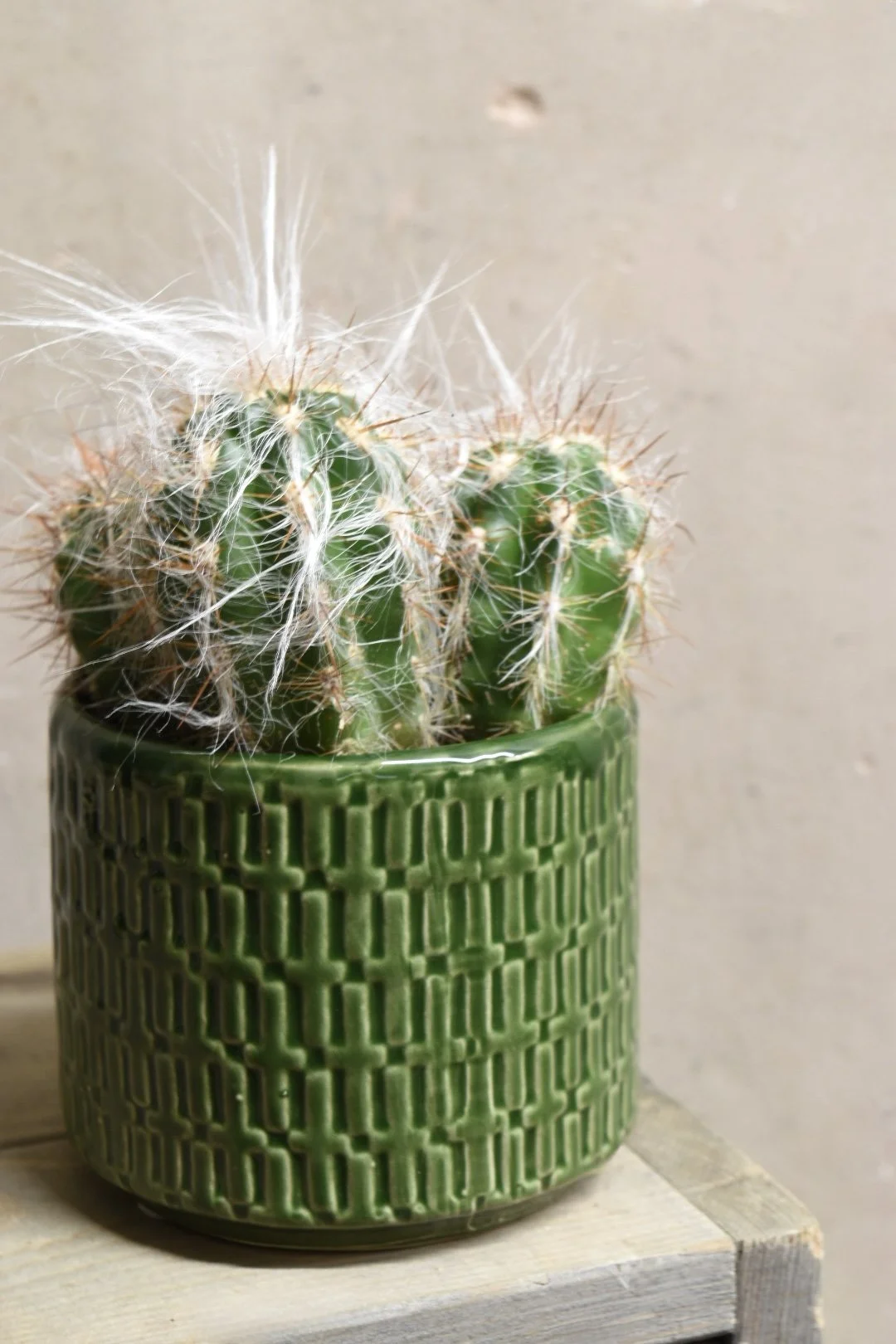
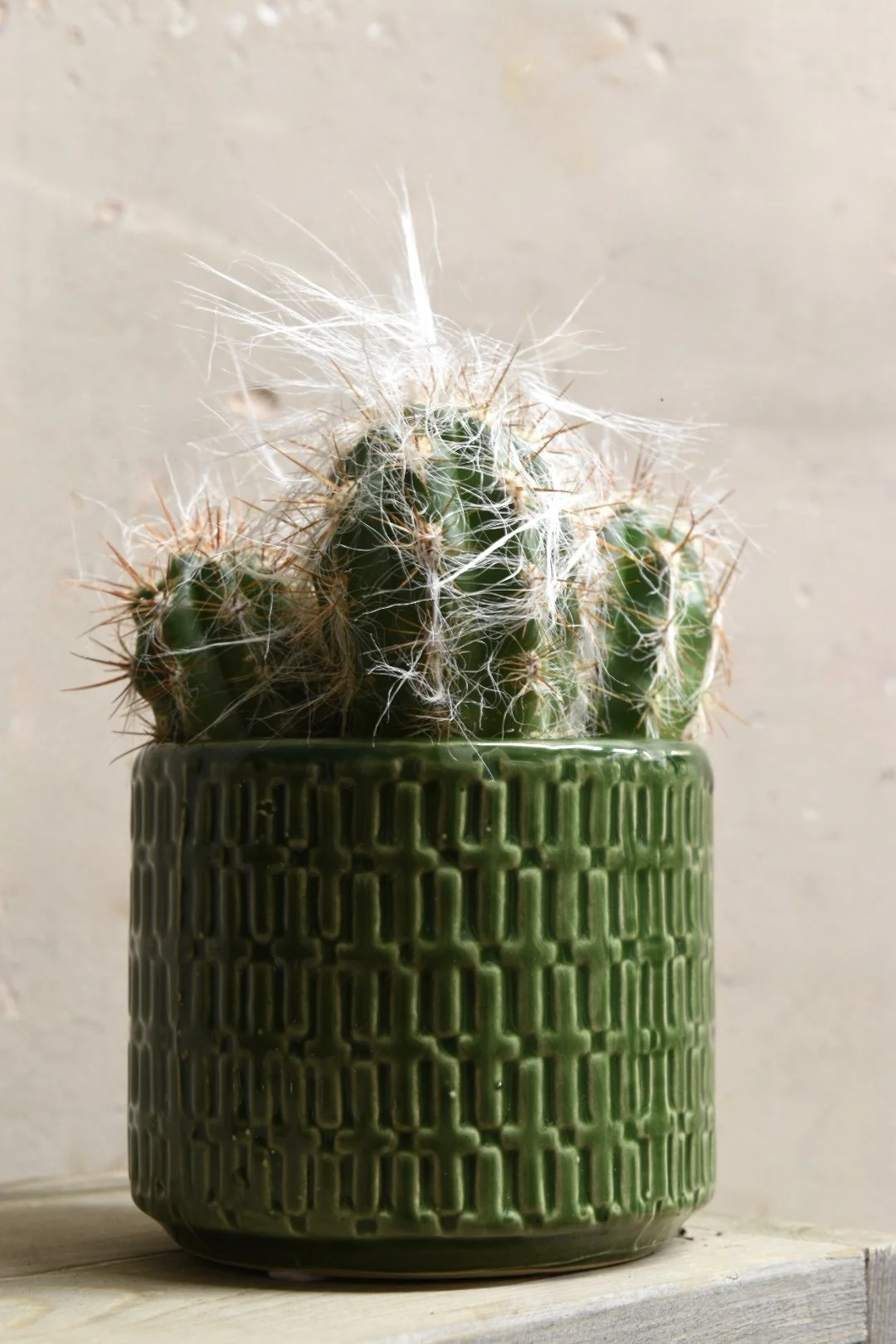
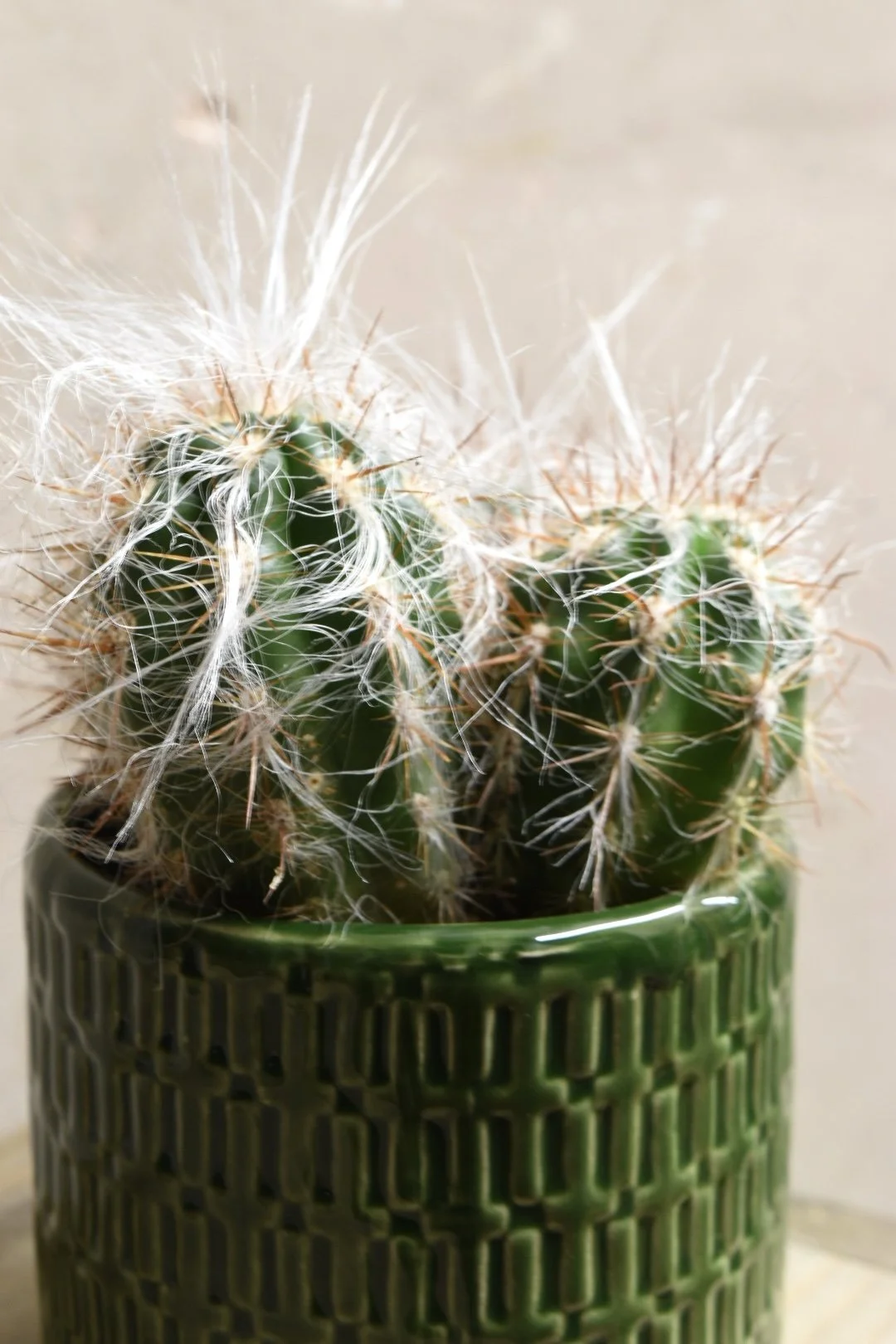
Oreocereus trollii — commonly called the Old Man of the Andes — is a slow-growing columnar cactus native to high-elevation regions of the Andes in Bolivia and northern Argentina. It forms upright, woolly stems covered in dense white hairs and long, radial spines that protect it from cold and intense sunlight. In cultivation it reaches roughly 1–2 feet (30–60 cm) over several years, sometimes taller in ideal conditions. It blooms in late spring to summer with tubular, funnel-shaped flowers that are typically reddish to pink, often appearing near the stem tips.
Light
Provide very bright light to full sun. A south- or west-facing window is ideal indoors. Gradually acclimate to stronger sun to avoid burns.
Temperature & Humidity
Prefers warm, dry conditions. Daytime: 70–85°F (21–29°C); nighttime: 50–60°F (10–16°C).
Soil & Potting
Use a very well-draining cactus/succulent mix — add extra coarse sand, pumice, or perlite for improved drainage. Choose a shallow, wide pot with drainage holes. Repot every 2–3 years or when rootbound, best done in spring.
Watering
Water thoroughly when the soil is completely dry. In spring and summer, this may be every 1–2 weeks depending on conditions. Reduce watering in autumn and winter to once a month or less; keep nearly dry during dormant, cool months.
Fertilizer
Feed lightly during the growing season (spring–summer) with a balanced, diluted cactus fertilizer once a month.
Grooming
The long white hairs generally require no grooming; they protect the plant from sun and cold.
Propagation
Primarily grown from seed for true characteristics. Offsets are rare but can be removed and rooted if present.
Flowering
Produces tubular, pink to red flowers near stem tips, typically in spring/summer when mature and grown in bright light.