
Tillandsia - Air Plants
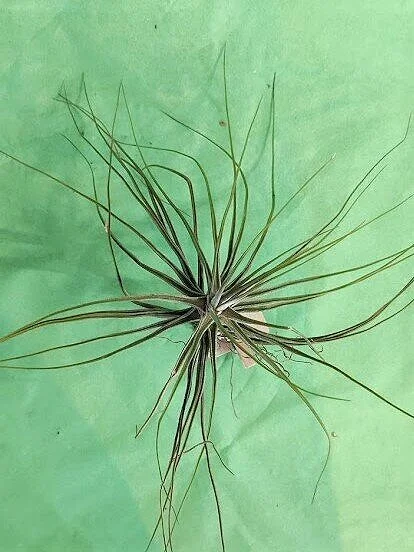
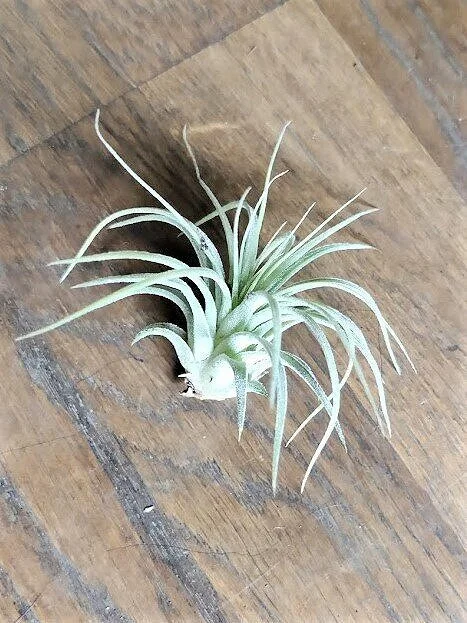
Tillandsia - Air Plants
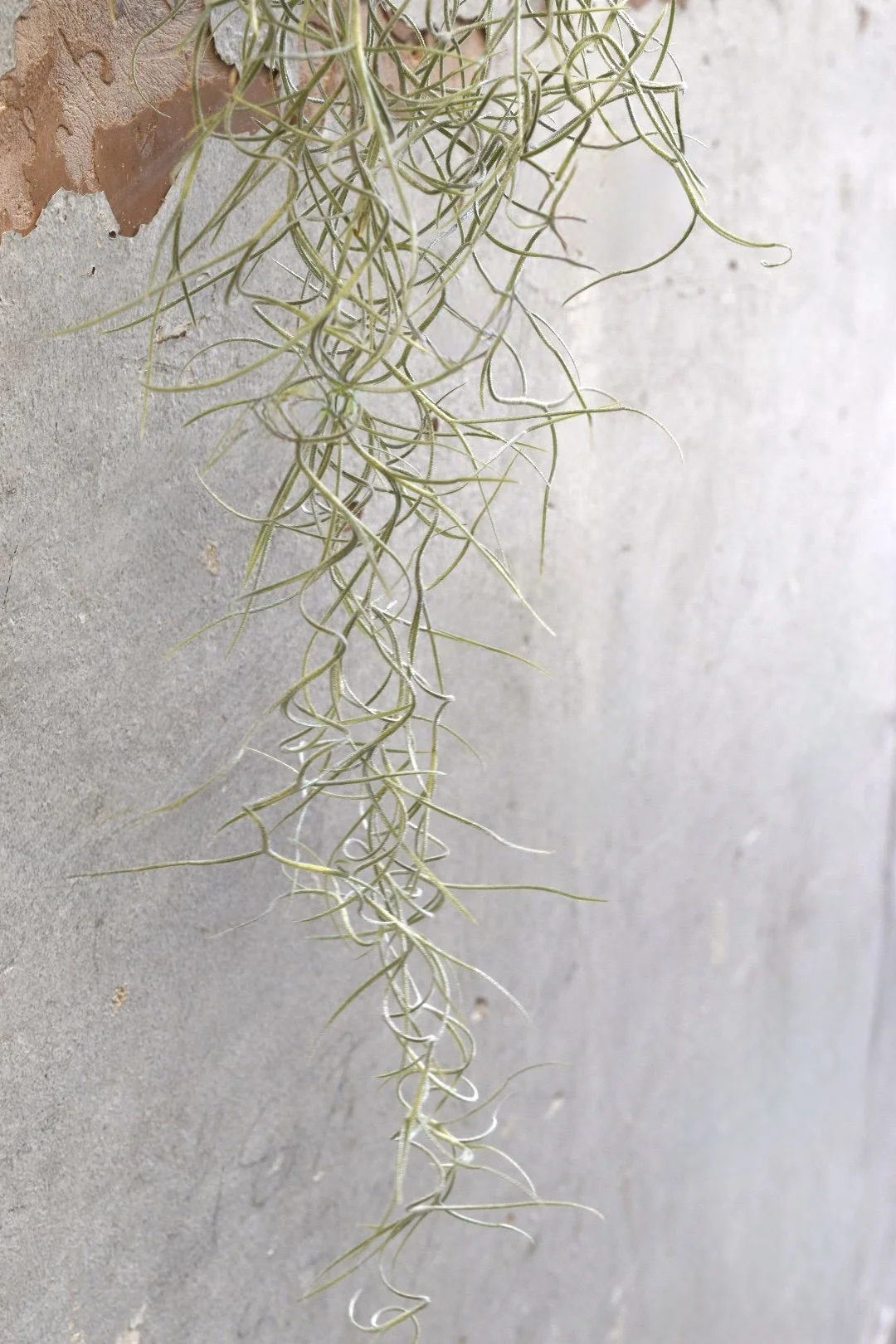
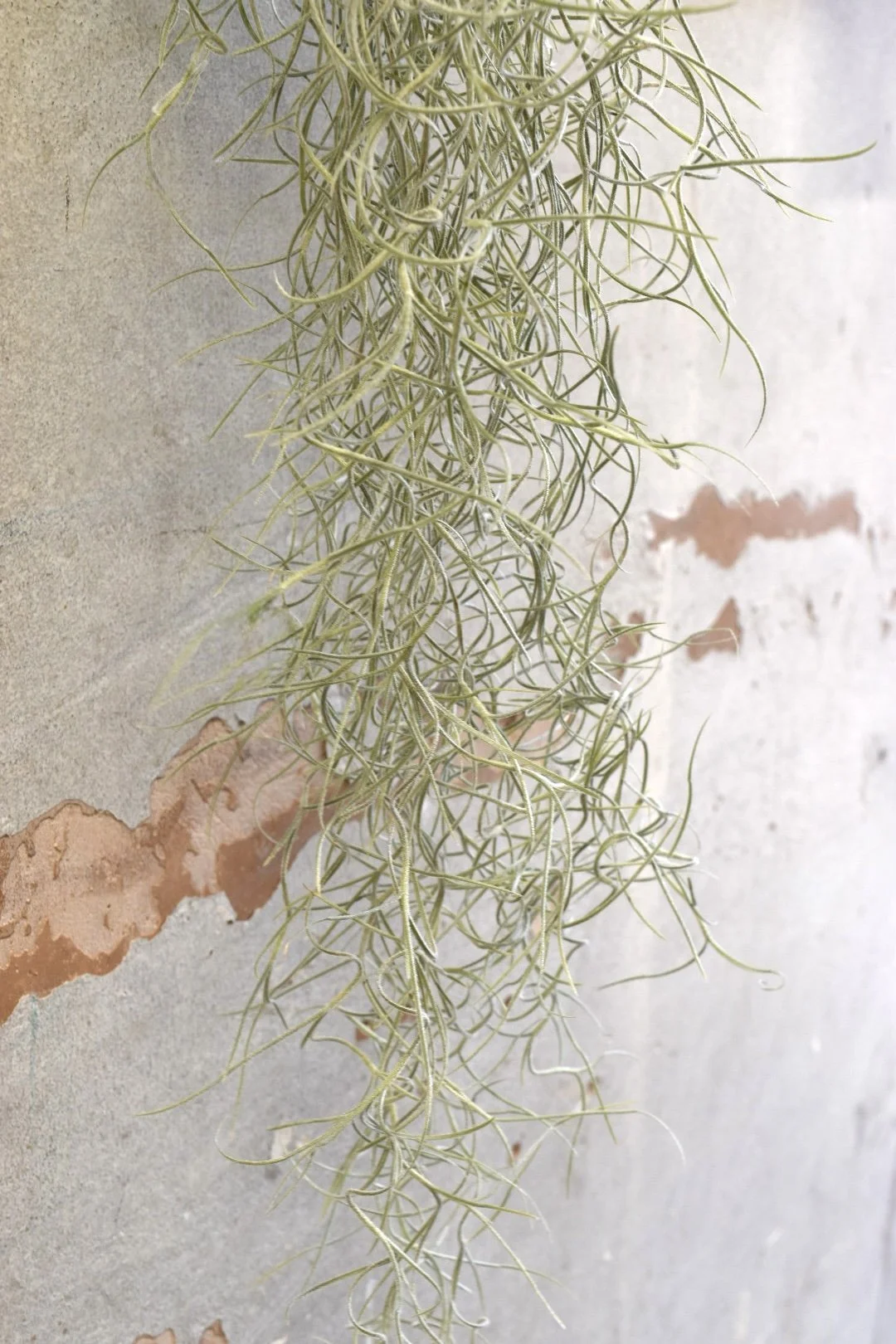
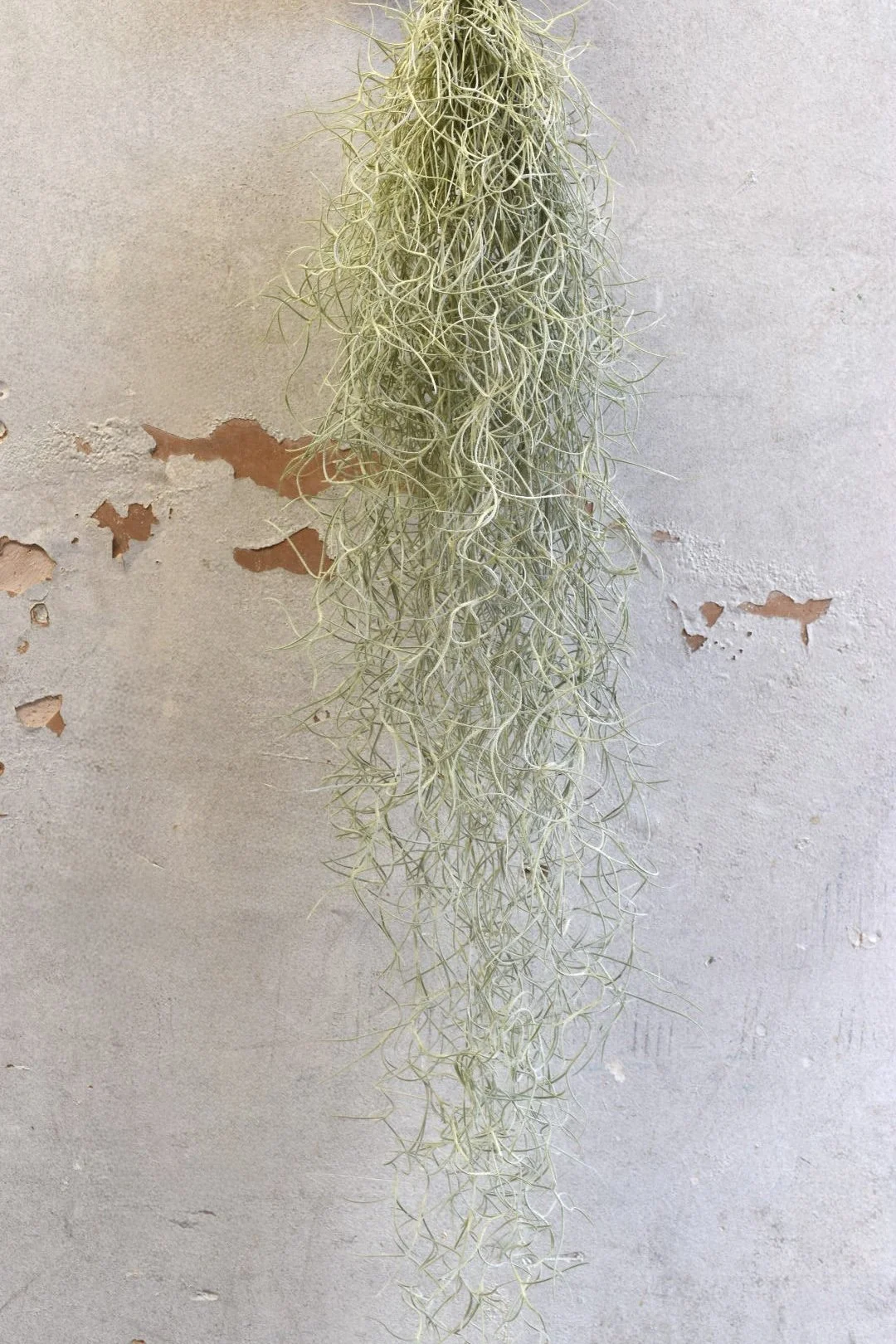
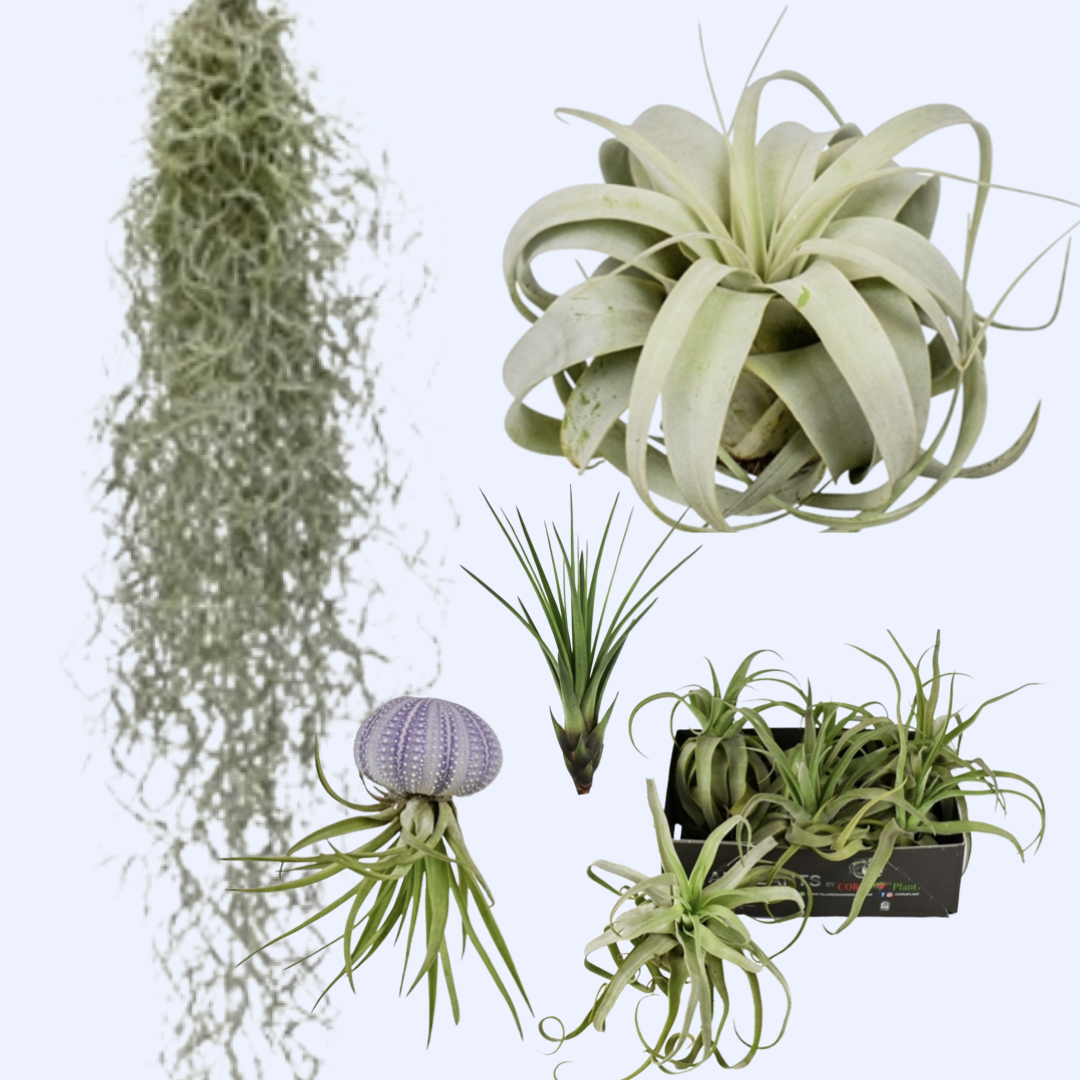
Tillandsia (air plants) are small, epiphytic members of the Bromeliad family that absorb water and nutrients through their leaves rather than roots. They naturally grow on trees, rocks, and other surfaces in warm, humid or arid environments across the Americas. Tillandsias prefer bright, indirect light, good air circulation, and regular misting or soaking depending on species — most benefit from a 20–30 minute soak once a week or frequent light mists. They have minimal soil needs, making them ideal for creative displays in terrariums, mounted pieces, or hanging arrangements. Many species produce striking inflorescences and colorful bracts during bloom.
Light
Bright, indirect light is best: east- or west-facing windows or filtered light near a south window.
Avoid prolonged direct midday sun; too much can scorch leaves.
Artificial grow lights (LEDs) work well if natural light is limited.
Water
Soak method (recommended): Submerge the plant in room-temperature water for 20–30 minutes once a week. Shake gently and allow to dry completely within 2–4 hours in a well-ventilated spot.
Misting: Supplement between soaks in dry homes but don’t rely on misting alone.
Increase soaking frequency to twice weekly in hot, dry conditions; reduce to every 10–14 days in cool, humid conditions.
Use rainwater, distilled, or filtered water when possible. Tap water is usually fine unless very hard or heavily chlorinated; let it sit 24 hours to dissipate chlorine.
Air circulation & drying
Good airflow is essential. Place where air moves freely so plants dry fully after watering.
Never leave a Tillandsia sitting in a saucer of water or sealed container where water can pool.
Temperature & humidity
Ideal temperatures: 50–90°F (10–32°C). Protect from frost.
Prefer moderate humidity; in dry environments increase watering and misting.
Feeding
Use a bromeliad or air-plant fertilizer diluted to quarter–half strength once a month during the growing season.
Apply fertilizer during a regular soak or as a light mist.
Mounting & display
Mount on wood, driftwood, shells, or decorative holders with non-toxic glue or fishing line; avoid copper, lead, or treated wood.
Ensure mounts allow good airflow and drainage.
Flowering & pups
Tillandsia typically bloom once; flowers can last weeks.
After flowering, the mother plant will slowly decline but produces pups (offsets). Leave pups attached until they reach about 1/3–1/2 the size of the mother before separating.
Common problems
Browning tips: often from too much direct sun or underwatering.
Soft, mushy base: indicates rot from prolonged wetness or poor airflow.
Pale, thin leaves: insufficient light.
No flowering: often from insufficient light or age (some species need several years to bloom).