
Terrarium Egg
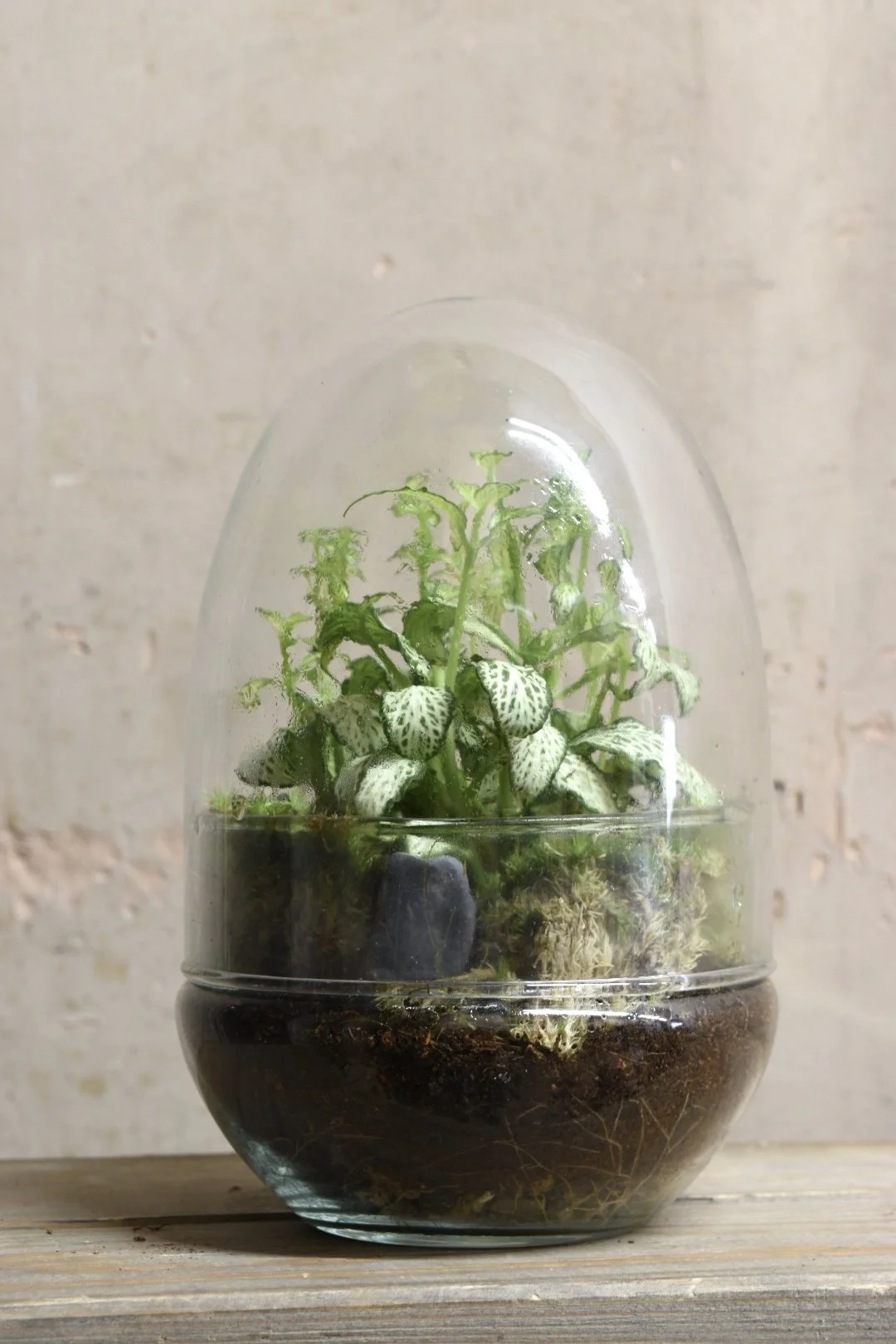
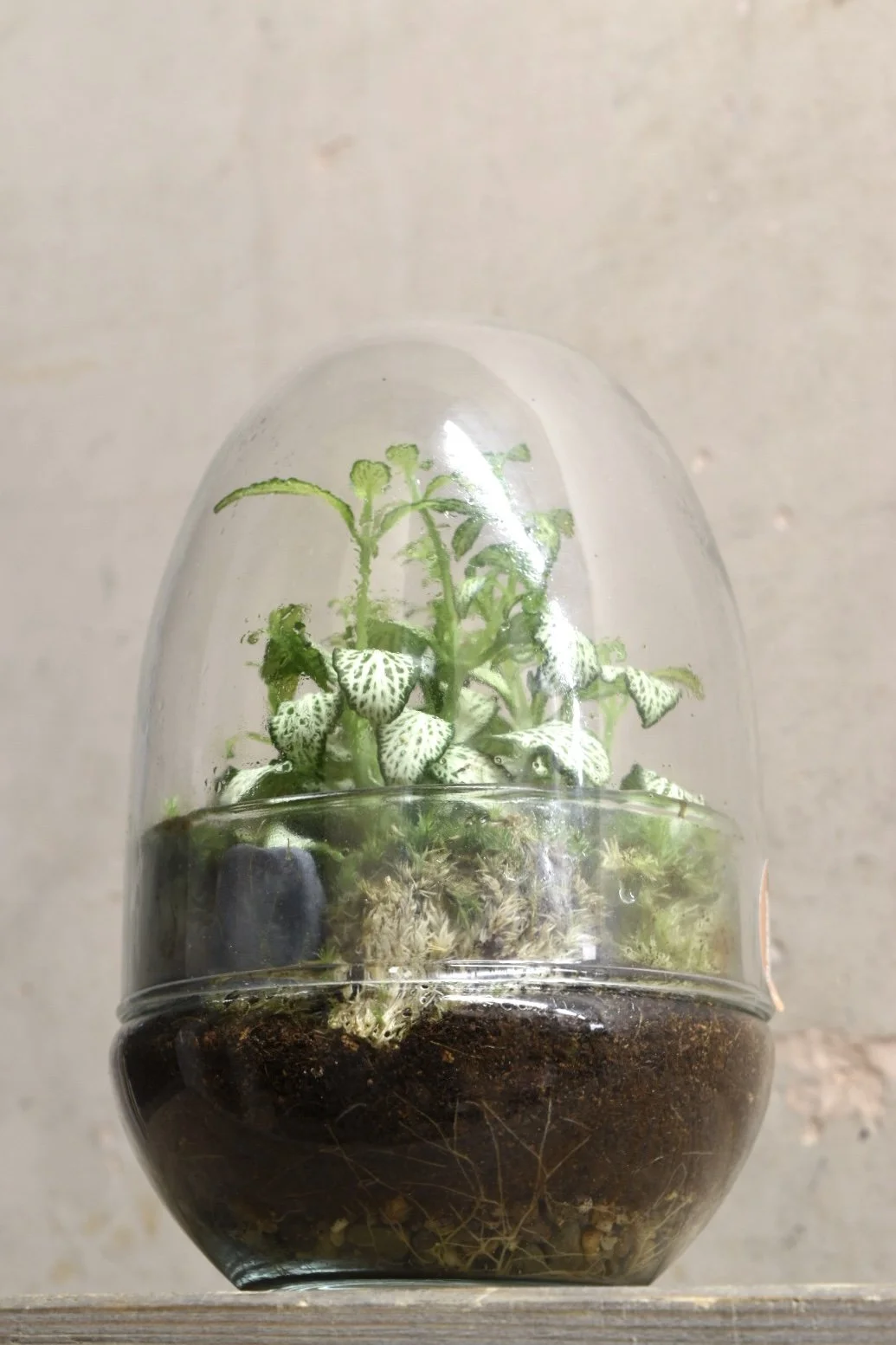
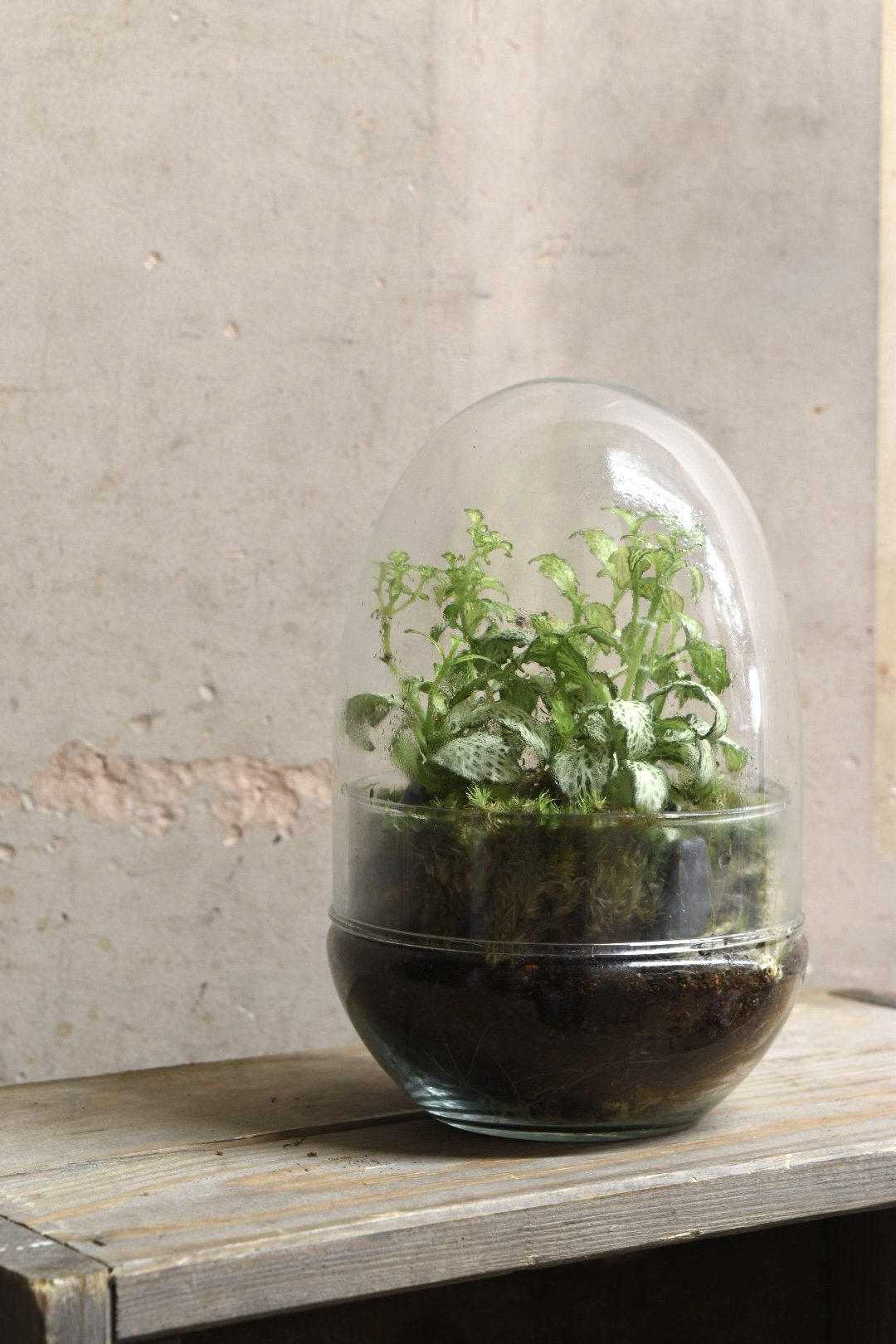
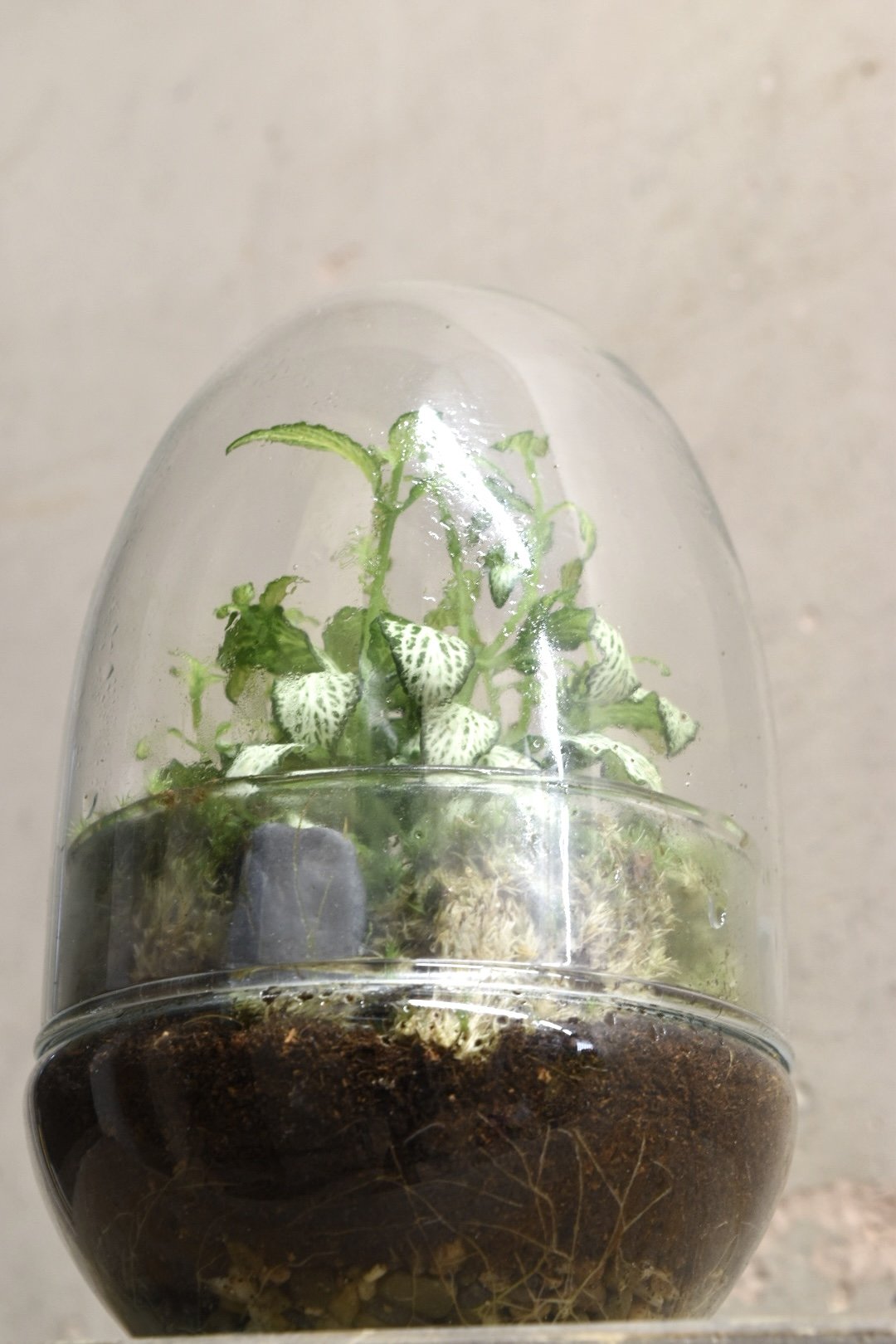
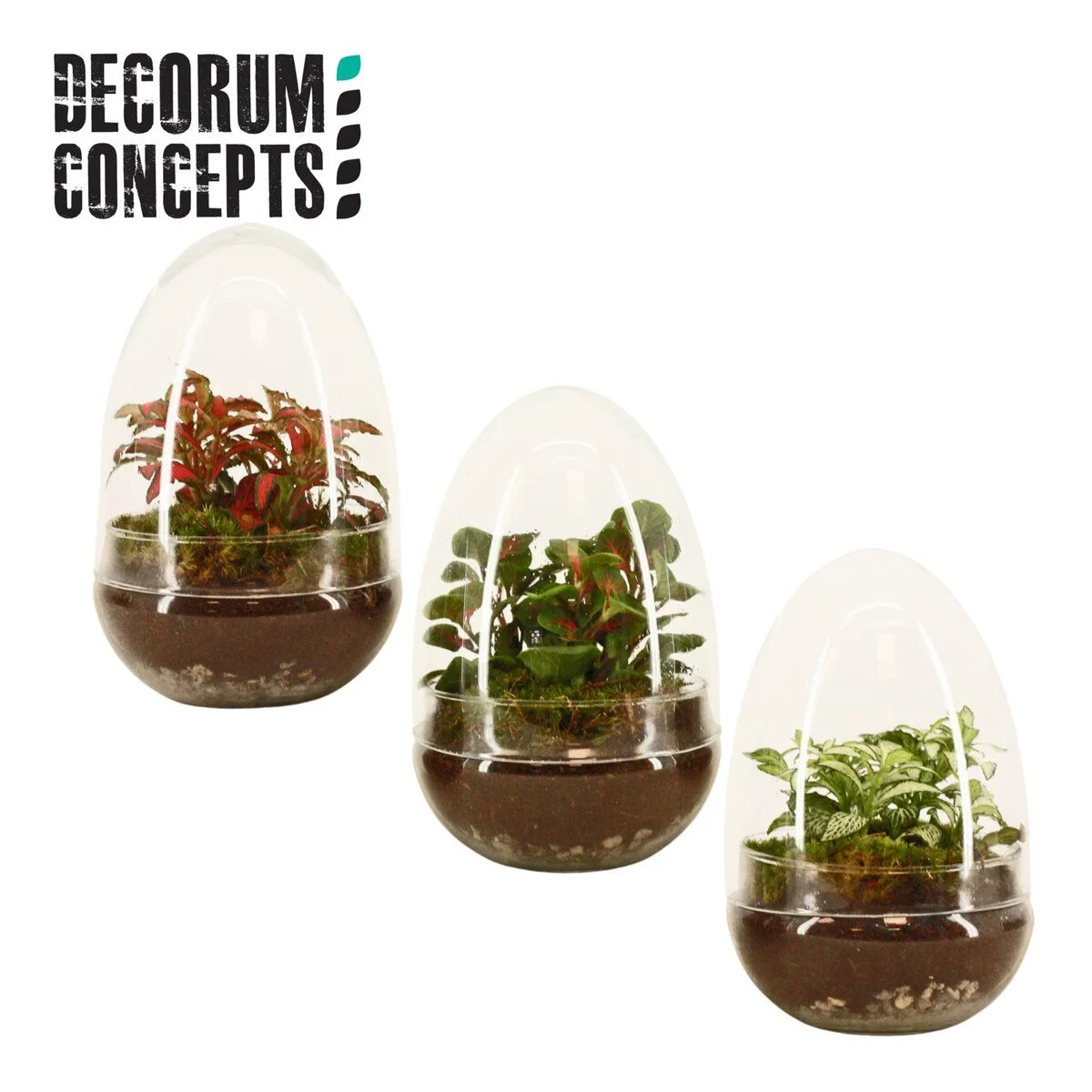
Terrarium Egg
Terrarium Egg — a compact, egg-shaped glass terrarium ideal for small succulents, air plants, or moss arrangements. Its smooth, curved design features a single opening for easy planting and airflow, while the clear glass showcases layered soil, pebbles, and greenery. Low-maintenance and decorative, it fits desks, shelves, or windowsills and makes a stylish gift or centerpiece for small spaces.
Light
Bright, indirect light is best. Place near an east- or north-facing window or a few feet from a south/west window with sheer screening.
Avoid direct midday sun; glass magnifies heat and can scorch plants.
Temperature & Humidity
Keep between 65–75°F (18–24°C). Avoid drafts and sudden temperature swings.
Humidity should be moderate to high; the enclosed design helps retain moisture. Open the lid briefly once a week to refresh air and prevent stagnation.
Watering
Water sparingly. For closed-style eggs, mist lightly every 7–14 days or when soil surface looks dry; avoid puddles.
For open-style eggs, water more often but use small amounts—allow the top 1/2 inch (1–2 cm) of soil to dry between waterings.
Use a spray bottle or syringe for precision.
Soil & Plants
Use well-draining, airy substrate: a mix of potting soil, orchid bark or perlite, and activated charcoal (thin layer under soil helps control odors).
Choose small, slow-growing plants suited to terrariums: fittonia, baby tears (Soleirolia), mosses, small ferns, peperomia prostrata, Pilea depressa, or air plants (if open-top).
Pruning & Maintenance
Trim back overgrowth to prevent overcrowding and ensure airflow.
Remove yellow or dead leaves promptly to prevent rot.
Clean glass periodically to maintain light levels.
Pests & Problems
Watch for fungus gnats (too much moisture) and mold. Reduce watering and increase ventilation if mold appears.
If condensation is constant and heavy, open more often and reduce watering.
For pests, isolate the terrarium and treat gently with insecticidal soap or remove affected foliage.
Fertilizing
Feed very lightly during active growth (spring/summer): use a diluted, balanced liquid fertilizer at 1/4 strength every 6–8 weeks. Avoid overfertilizing in closed environments.
Placement Tips
Keep away from heating vents, radiators, and cold drafts.
Rotate occasionally for even light exposure if plants lean.
Quick Troubleshooting
Wilting: check for root rot (overwatering) or underwatering.
Browning leaf tips: low humidity, too much direct sun, or fertilizer burn.
Excessive condensation/mold: reduce watering and increase airing.
Enjoyment
Terrarium Eggs are low-maintenance miniature worlds—observe and adjust rather than overhaul. Small, gradual changes keep them healthy and attractive.