
Bird of Paradise, Strelitzia Nicolai
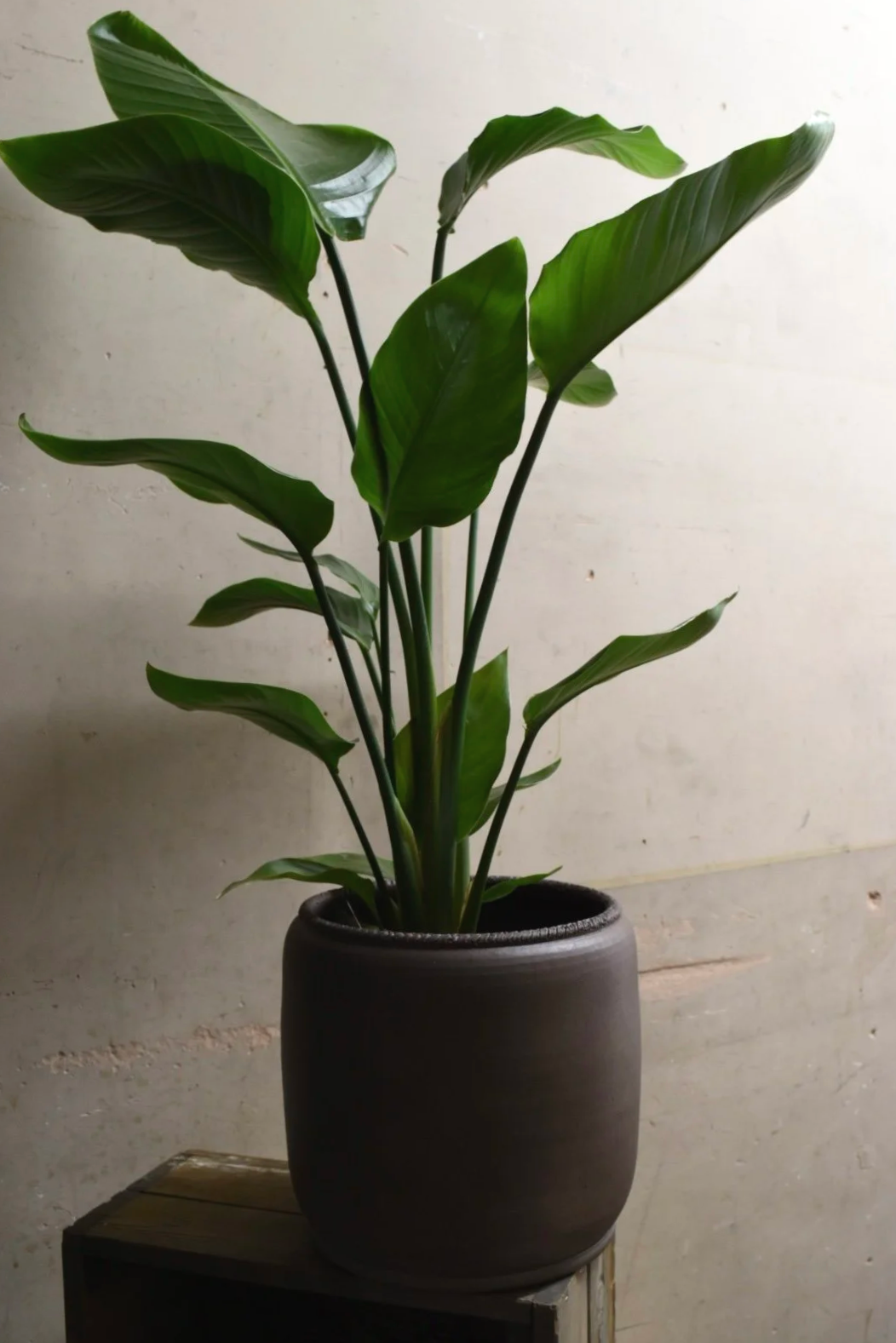
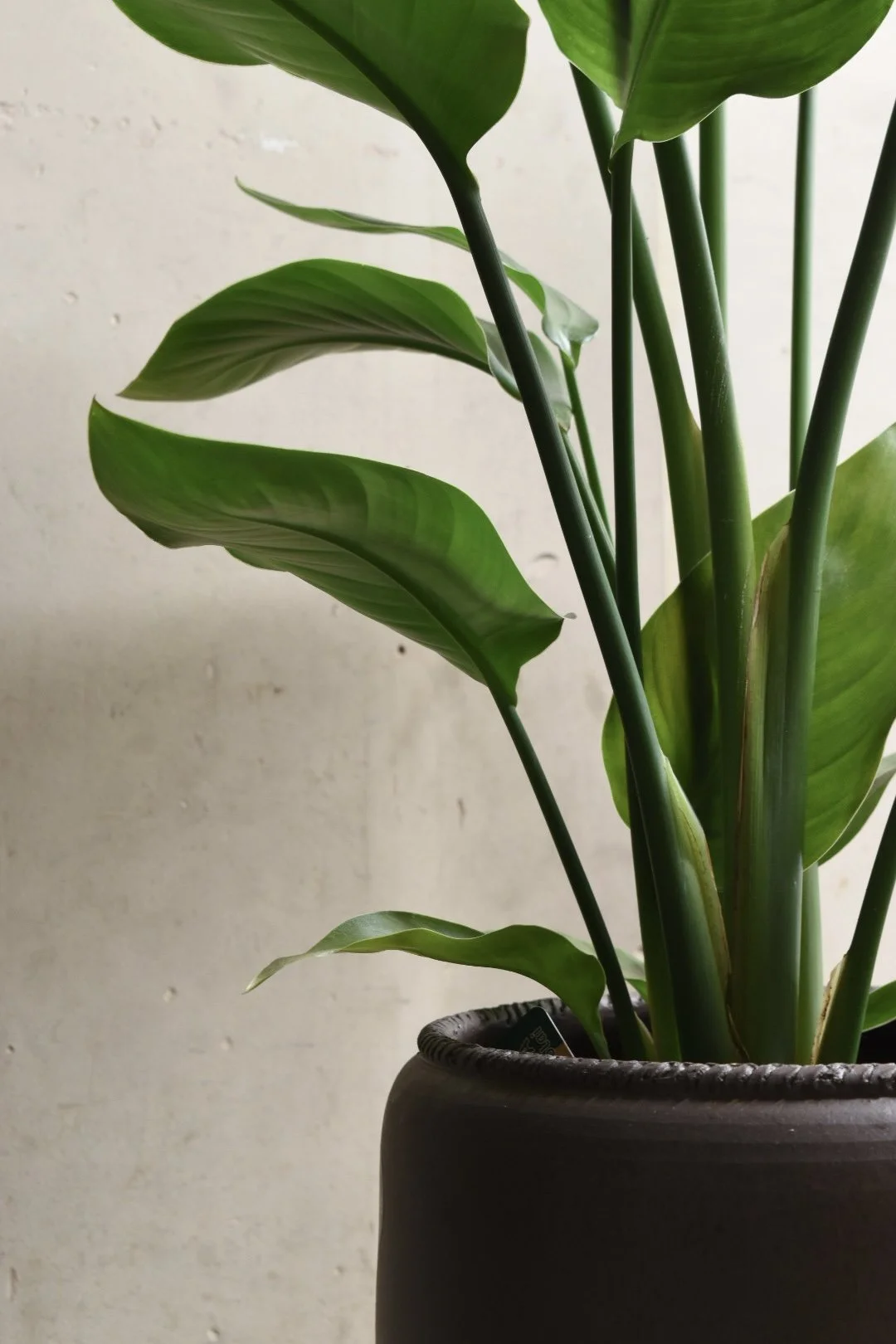
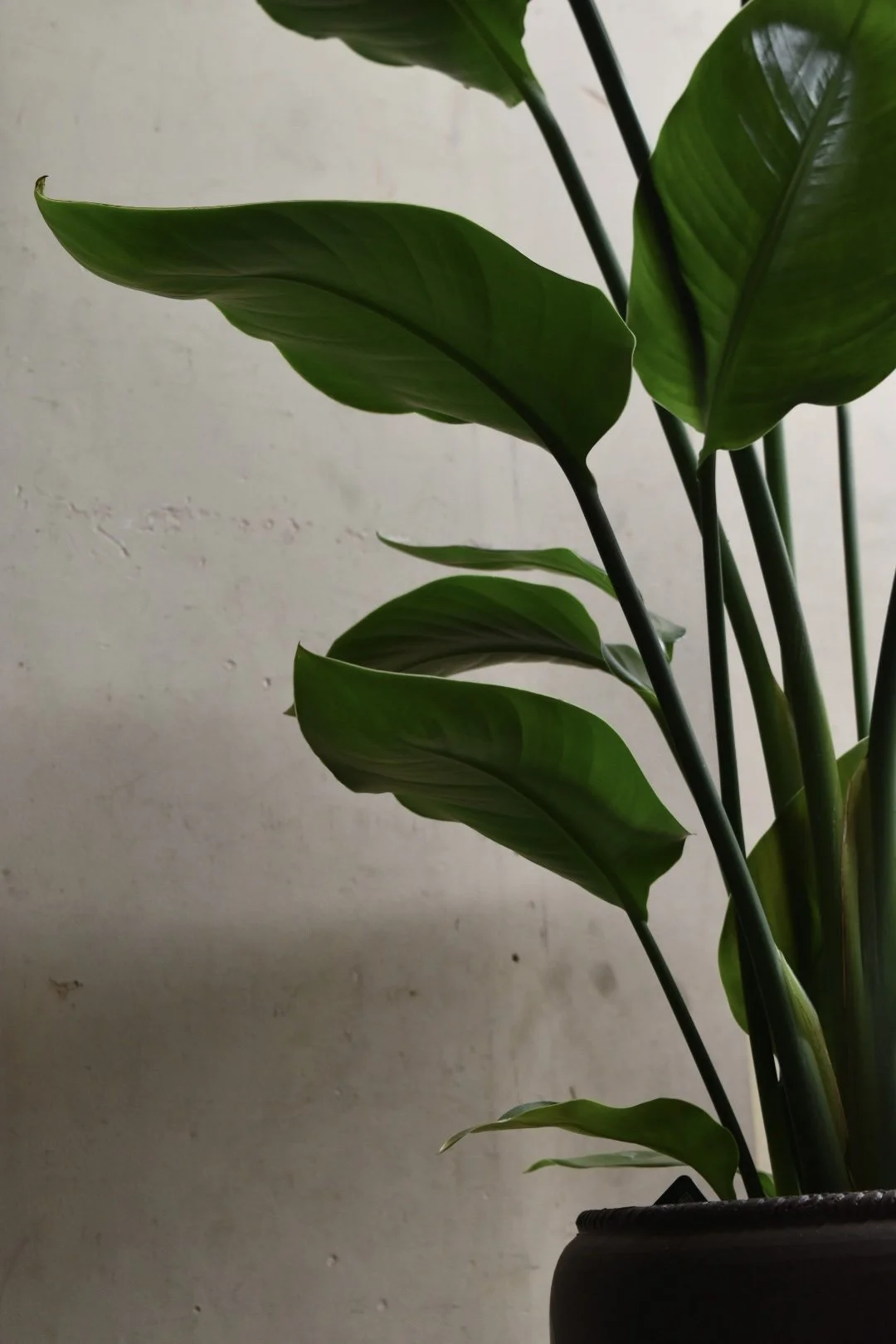
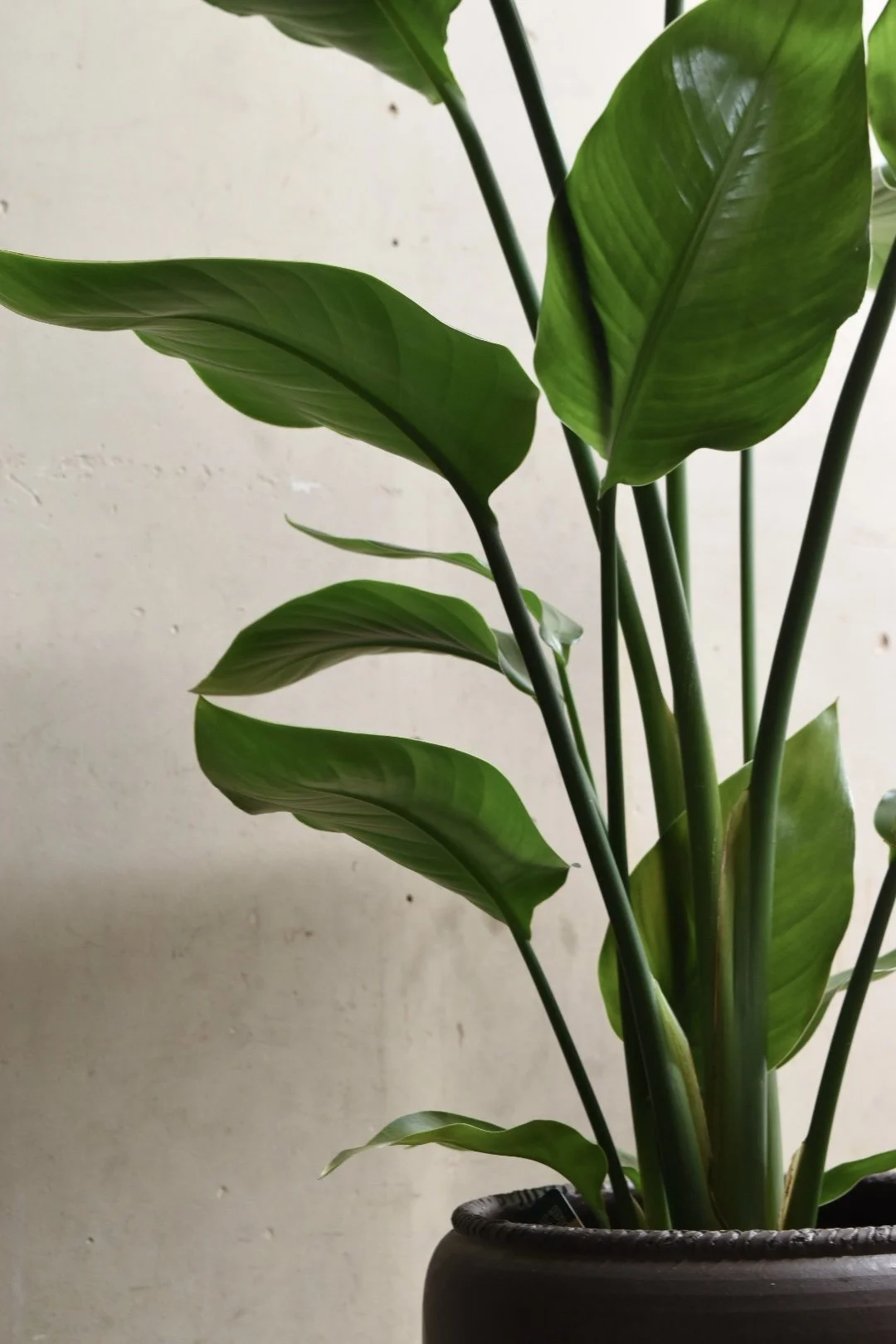
Bird of Paradise, Strelitzia Nicolai
The Strelitzia nicolai, commonly known as the giant bird of paradise, is a striking tropical plant native to South Africa. Characterised by its large, paddle-like leaves that can reach up to 2.5 meters in length, it adds a dramatic touch to any indoor or outdoor space. The plant can produce stunning blue and white flowers that resemble birds in flight, although it requires specific conditions to flower. Its robust foliage also makes it an effective natural privacy screen.
Light
Strelitzia nicolai, thrives in bright, indirect light. It can tolerate some direct sunlight, especially in the morning, but prolonged exposure can scorch the leaves. If grown indoors, placing it near a south or west-facing window is optimal.
Watering
The watering frequency for Strelitzia nicolai should be adjusted according to the season. During the growing season (spring and summer), keep the soil consistently moist but ensure good drainage to prevent root rot. In autumn and winter, allow the top inch of soil to dry out between waterings. Overwatering should be avoided, as it can lead to various issues.
Humidity
Strelitzia nicolai enjoys a humid environment. If grown indoors, consider increasing humidity levels, especially during the winter months when indoor air tends to be dry. This can be achieved through misting, using a pebble tray with water, or employing a humidifier.
Temperature
This plant prefers a warm environment, ideally between 18°C to 27°C. Avoid exposing it to temperatures below 10°C, as it can cause stress to the plant.
Soil
A well-draining potting mix is crucial for Strelitzia nicolai. A mix designed for tropical plants or a combination of potting soil, perlite, and orchid bark works well. This will help maintain moisture while allowing excess water to drain away.
Fertilisation
Feed your Strelitzia nicolai during the growing season with a balanced liquid fertiliser every 4-6 weeks. In the dormant months, reduce or halt fertilisation, as the plant's nutrient needs decrease.