
Pilosocereus Pachycladus
Pilosocereus Pachycladus
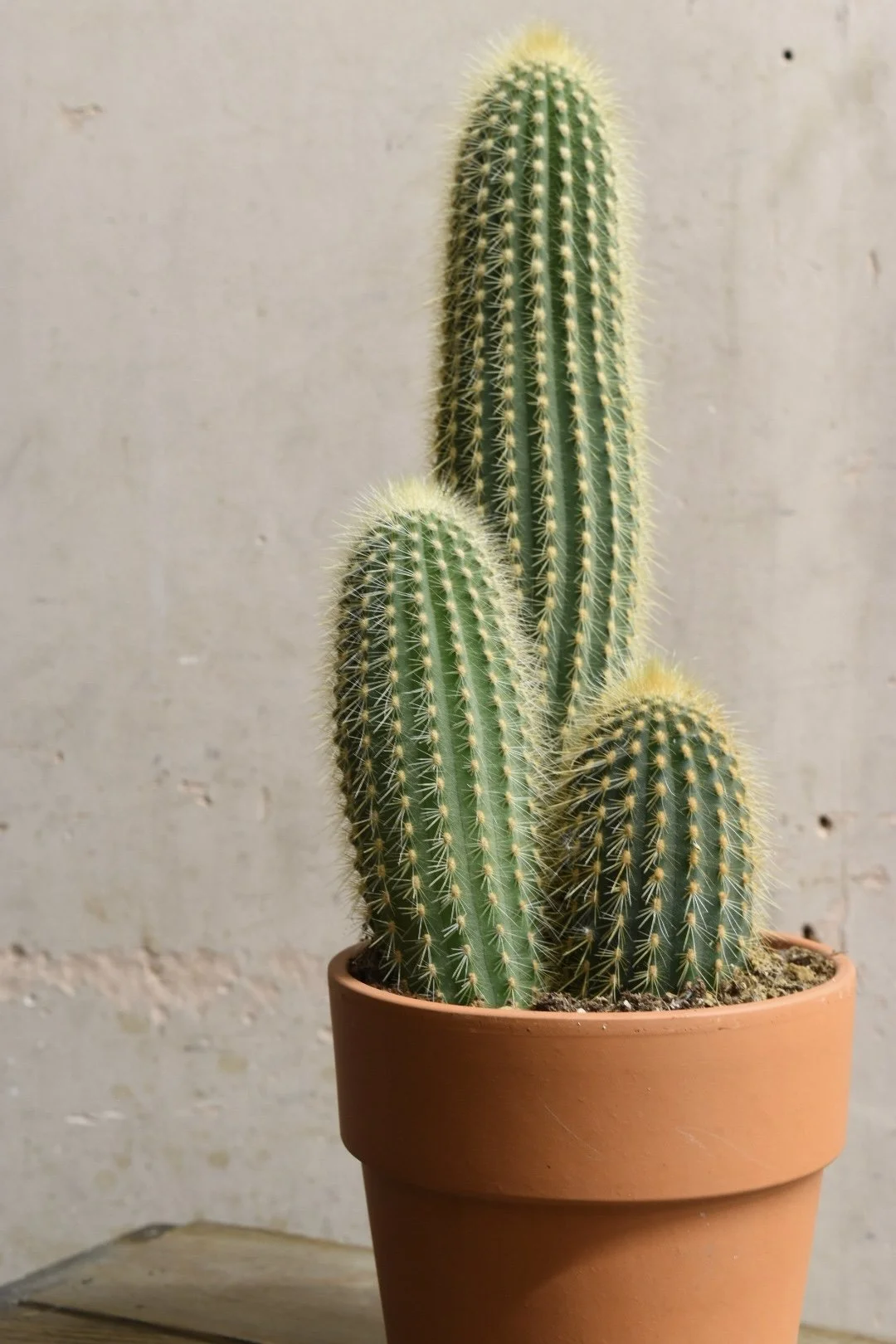
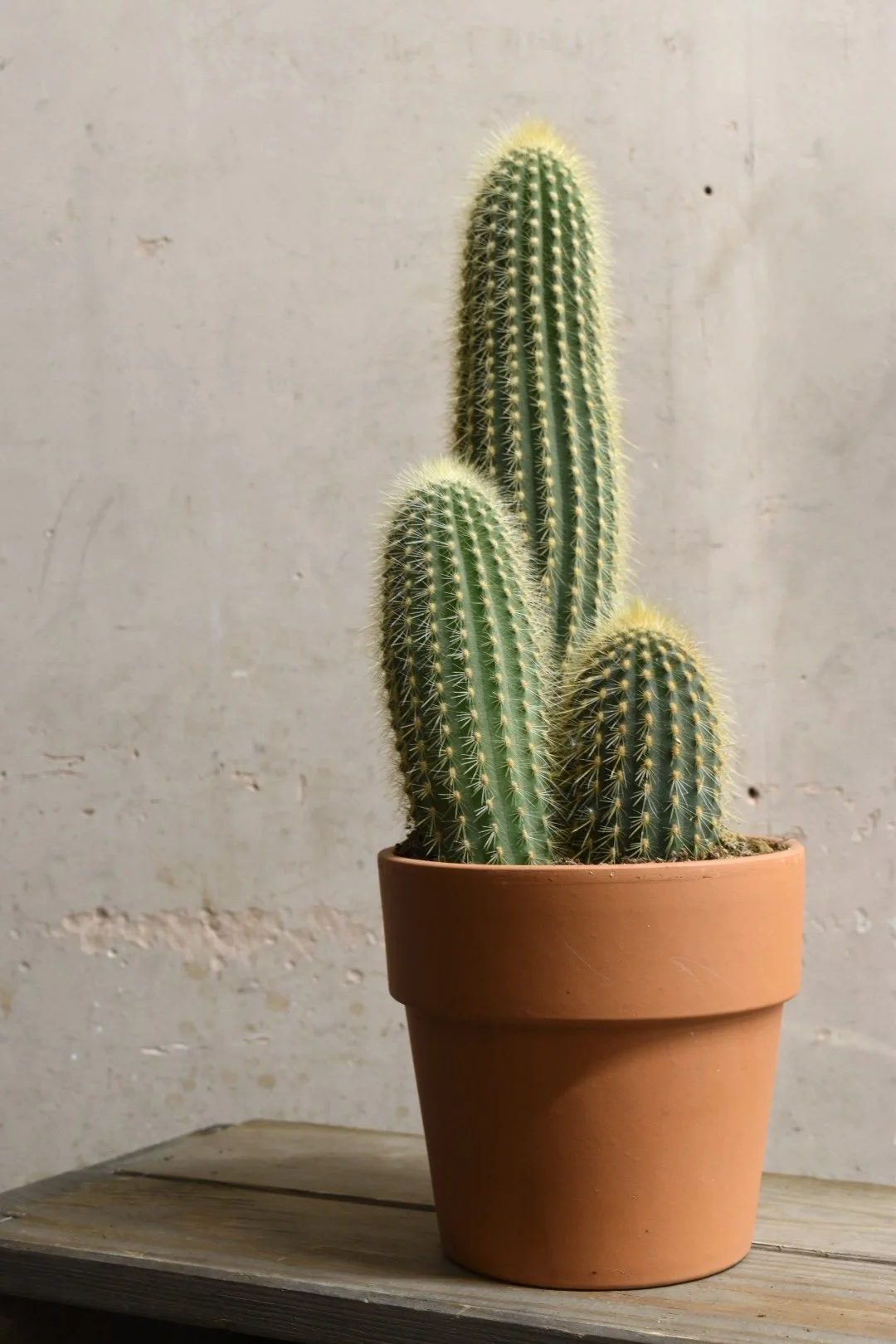
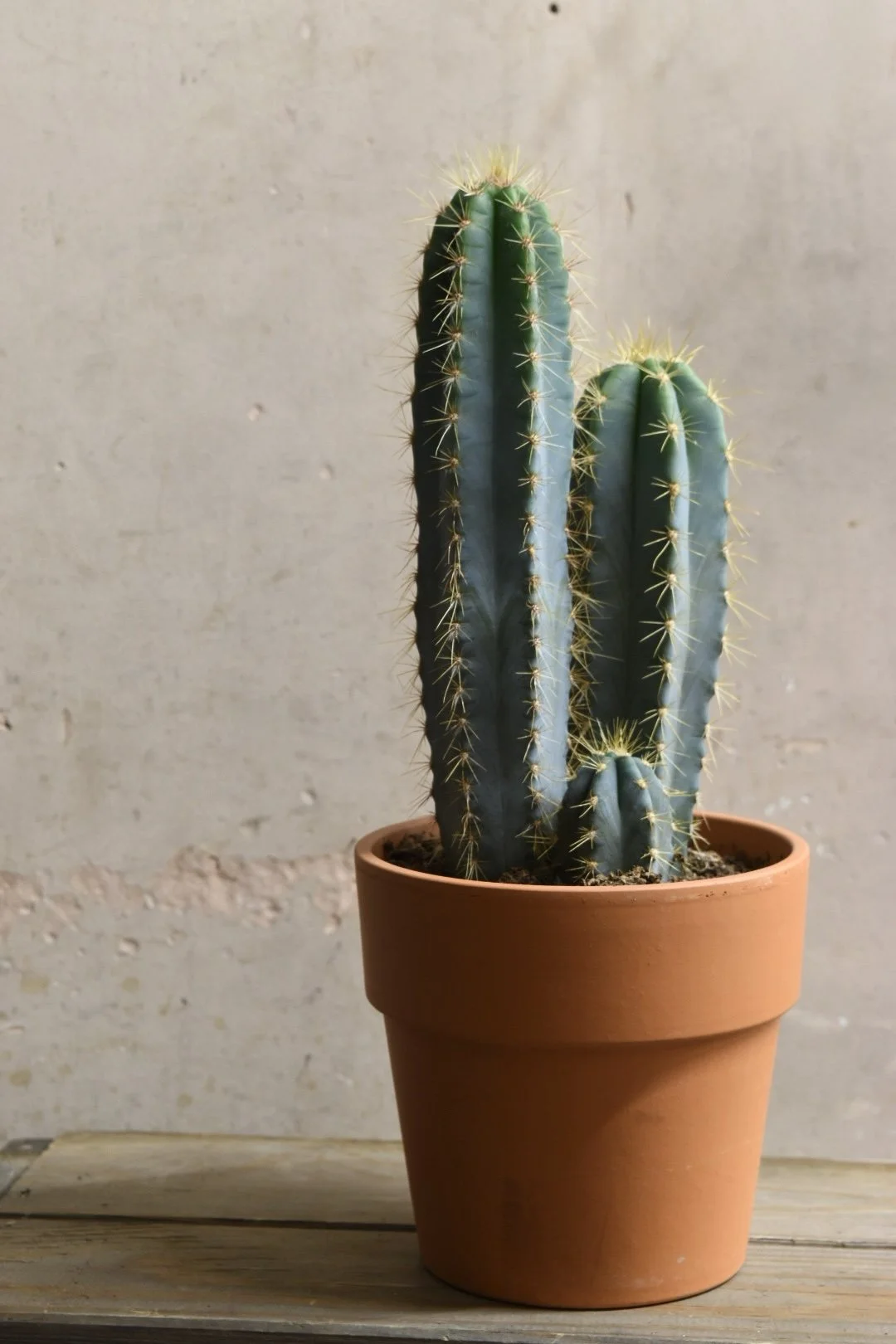
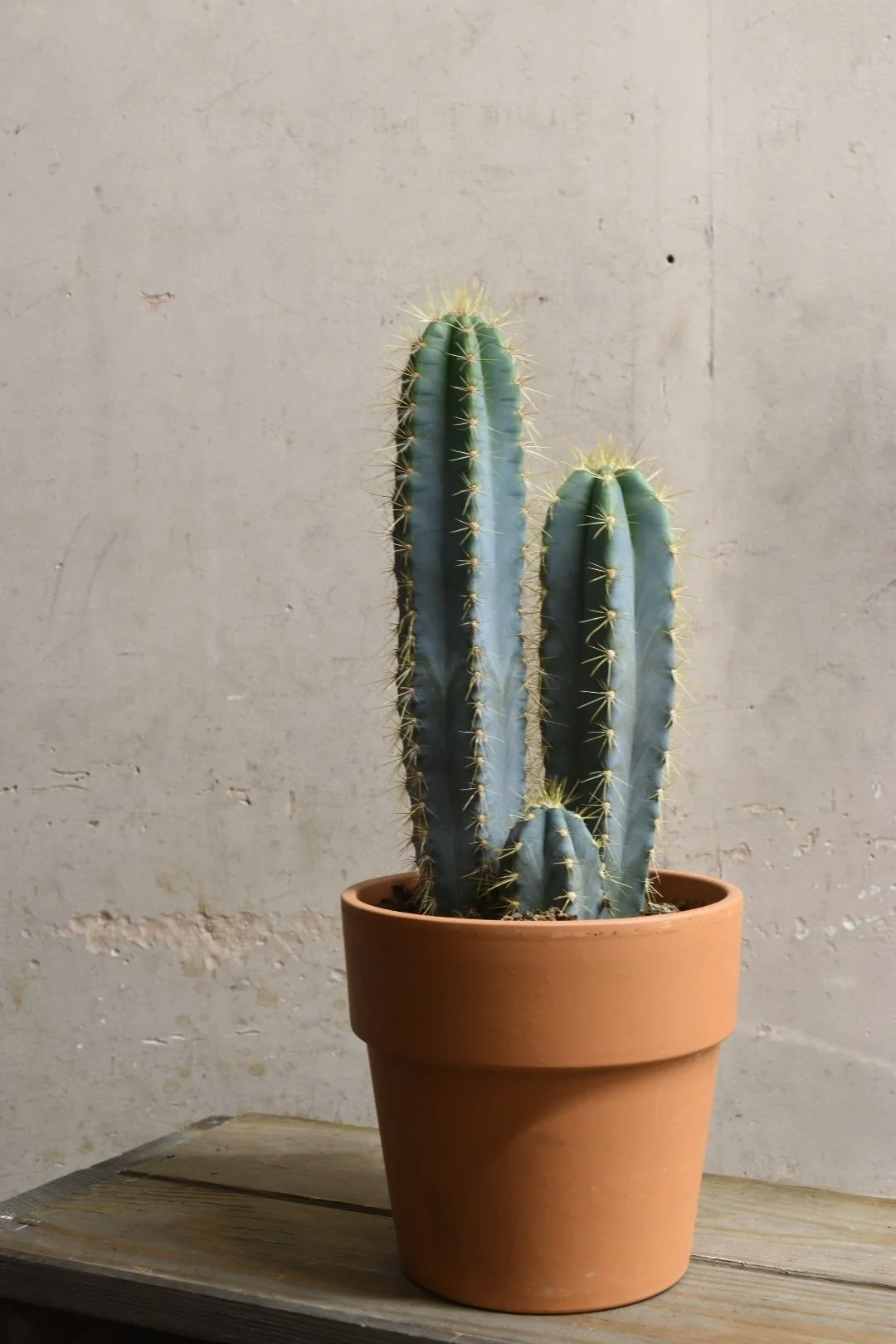
Pilosocereus pachycladus is a columnar cactus native to Brazil, known for its tall, cylindrical stems that can branch and form small clumps. Stems are typically blue-green to gray-green, ribbed, and covered with short, woolly areoles bearing yellow to brown spines. It produces large, nocturnal white flowers that open at night and sometimes remain open into dawn, followed by edible, fleshy fruits. Mature plants can become architectural focal points in collections and xeriscape plantings.
Light
Provide bright light with several hours of direct sun each day. A south- or west-facing window is ideal. Outdoors, place where it gets full sun to partial shade.
Temperature & Humidity
Prefers warm temperatures: 65–90°F (18–32°C). Protect from cold; avoid exposure below ~50°F (10°C).
Soil
Use a fast-draining cactus or succulent mix. You can amend potting soil with coarse sand, perlite, or pumice for extra drainage.
Watering
Water thoroughly, allowing excess to drain. Let the top 2–3 inches of soil dry out between waterings. In spring and summer (active growth) water more regularly but never allow water to sit in the pot. In autumn and winter reduce watering substantially — keep barely moist to nearly dry.
Fertilizer
Feed monthly during the growing season (spring–summer) with a balanced, diluted cactus/succulent fertilizer (half strength). Do not fertilize in winter.
Growth & Placement
Can become tall and columnar; provide stable pot or stake if needed. Good for sunny indoor spots, balconies, or sheltered outdoor areas in warm climates.
Propagation
Easily propagated by cuttings: allow cut end to callus for several days, then plant in dry, well-draining mix and water sparingly until roots develop.
Toxicity
Not known to be highly toxic, but spines can injure; keep out of reach of pets and children.