
Monstrose Cactus
Monstrose Cactus
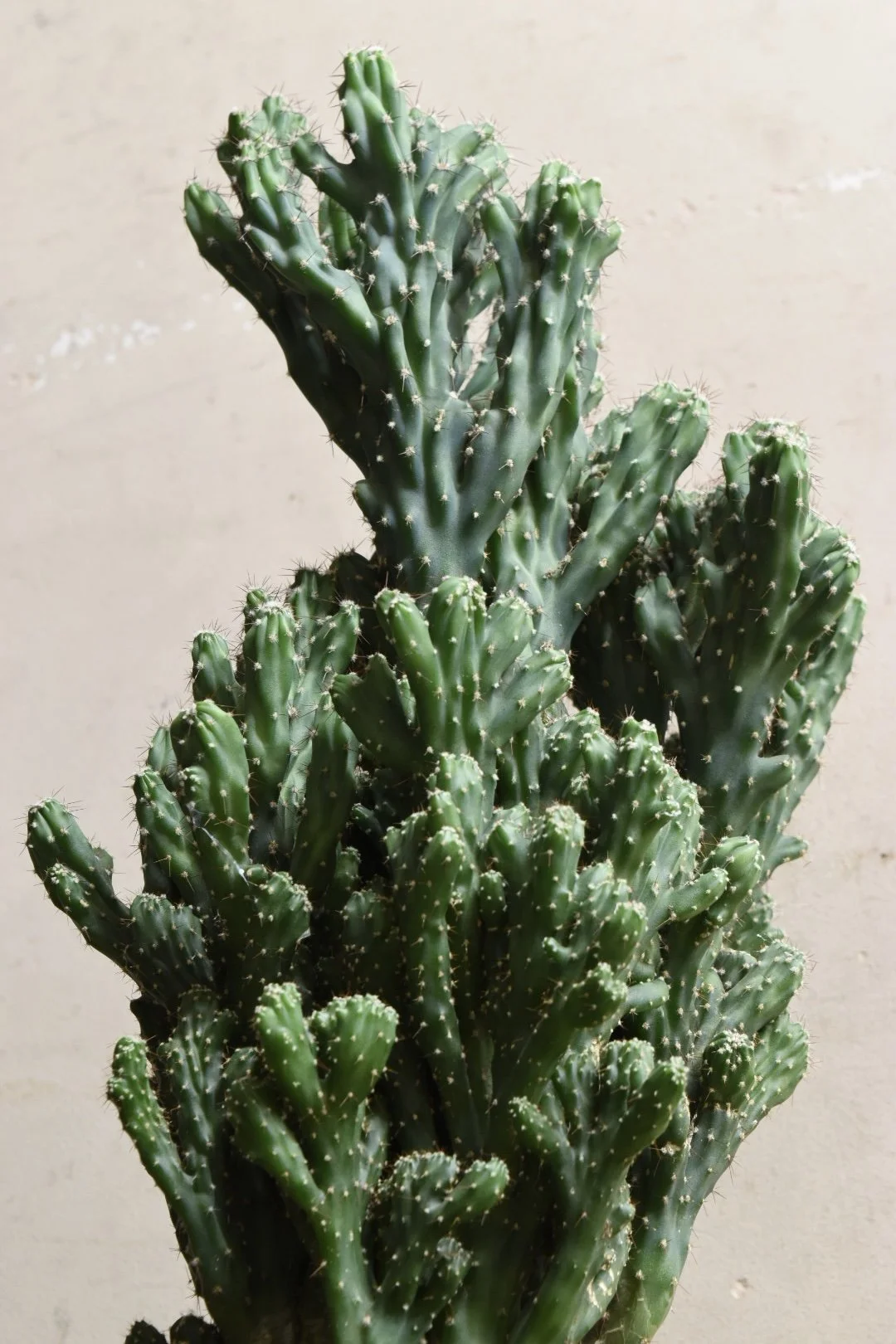
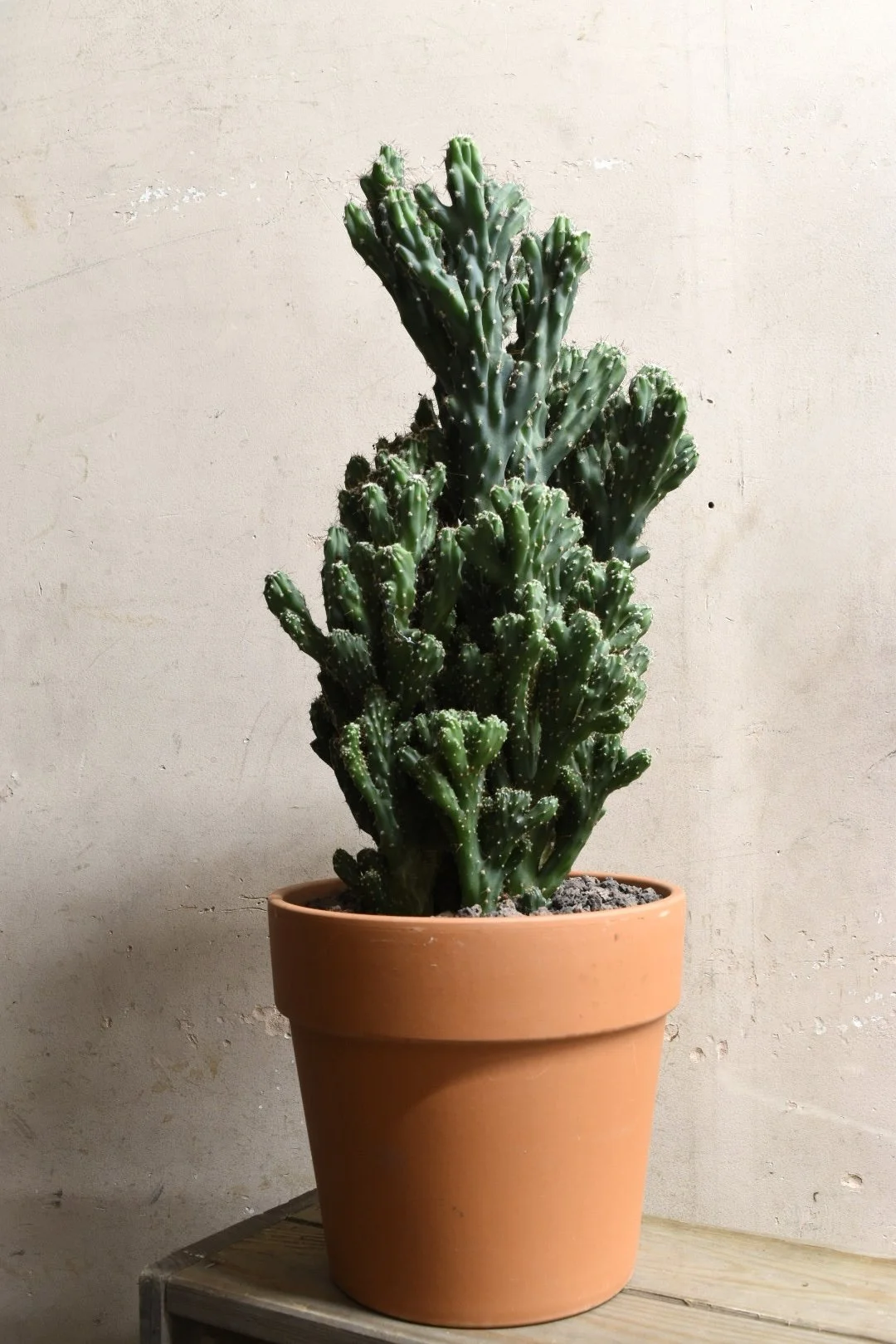
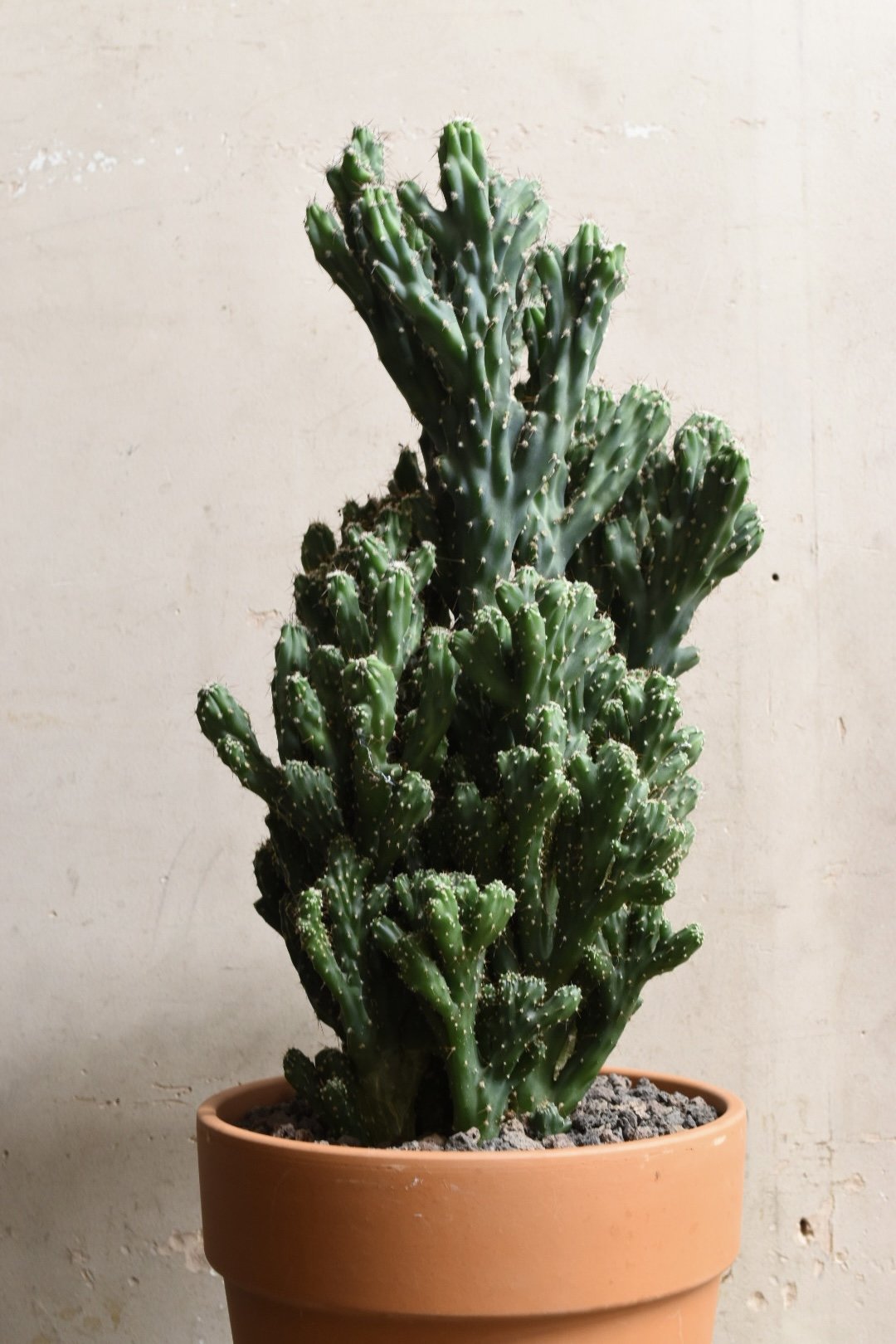
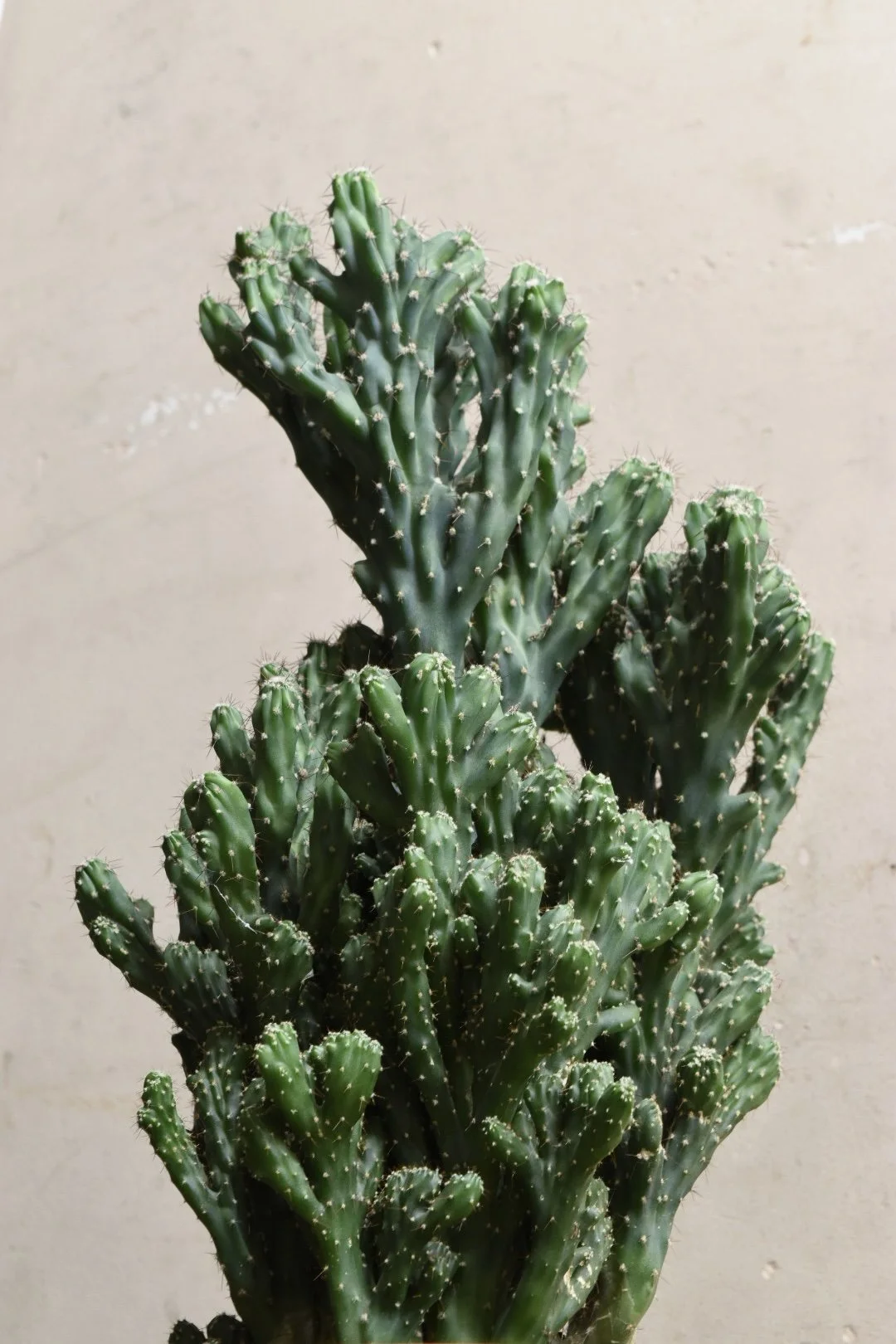
Monstrose cactus (also spelled monstruosa) describes cacti—commonly certain Mammillaria, Echinopsis and related genera—that show a monstrose or cristate growth form: stems grow irregularly, contorted and densely clustered, producing wavy, fan-like, lobed or “brain-like” shapes instead of the usual symmetrical columns or spheres. These sculptural plants are prized as collector’s specimens and focal points in succulent and cactus displays.
Light
Bright, indirect light is best. Place near an east- or west-facing window. Avoid prolonged direct midday sun, which can scorch the unusual growths.
Water
Water sparingly. Allow the top 2–3 inches (5–7 cm) of soil to dry out between waterings.
During active growth (spring–summer): water roughly every 2–4 weeks depending on temperature and pot size.
Dormant season (fall–winter): reduce watering to once every 4–8 weeks.
Use the soak-and-dry method: water thoroughly until it drains, then discard excess.
Soil & Potting
Use a fast-draining cactus or succulent mix. Add extra perlite or pumice if mix is heavy.
Choose a pot with drainage holes. Terracotta pots help wick excess moisture.
Repot only when necessary (every 2–4 years) because Monstrose Cactus can be slow-growing and sensitive to root disturbance.
Temperature & Humidity
Prefers temperatures between 65–85°F (18–29°C).
Keep above 50°F (10°C); protect from frost.
Tolerates normal household humidity; avoid very humid, poorly ventilated spots.
Fertilizer
Feed lightly during the growing season with a balanced, diluted cactus fertilizer (about half-strength) every 4–6 weeks.
Do not fertilize in winter.
Pests & Problems
Soft, discolored, or mushy tissue indicates overwatering and possible rot—remove affected tissue and reduce watering.
Propagation
Propagate from offsets or cuttings. Allow any cut surface to callus for several days before placing on well-draining soil.
Rooting is usually slower than other cacti varieties; keep cuttings dry for a short callus period, then lightly mist until roots form.
Handling
Wear gloves and use care: spines and glochids (tiny barbed hairs) can irritate skin. Use tongs or folded newspaper to handle if needed.