
Fittonia Albivenis
Fittonia Albivenis
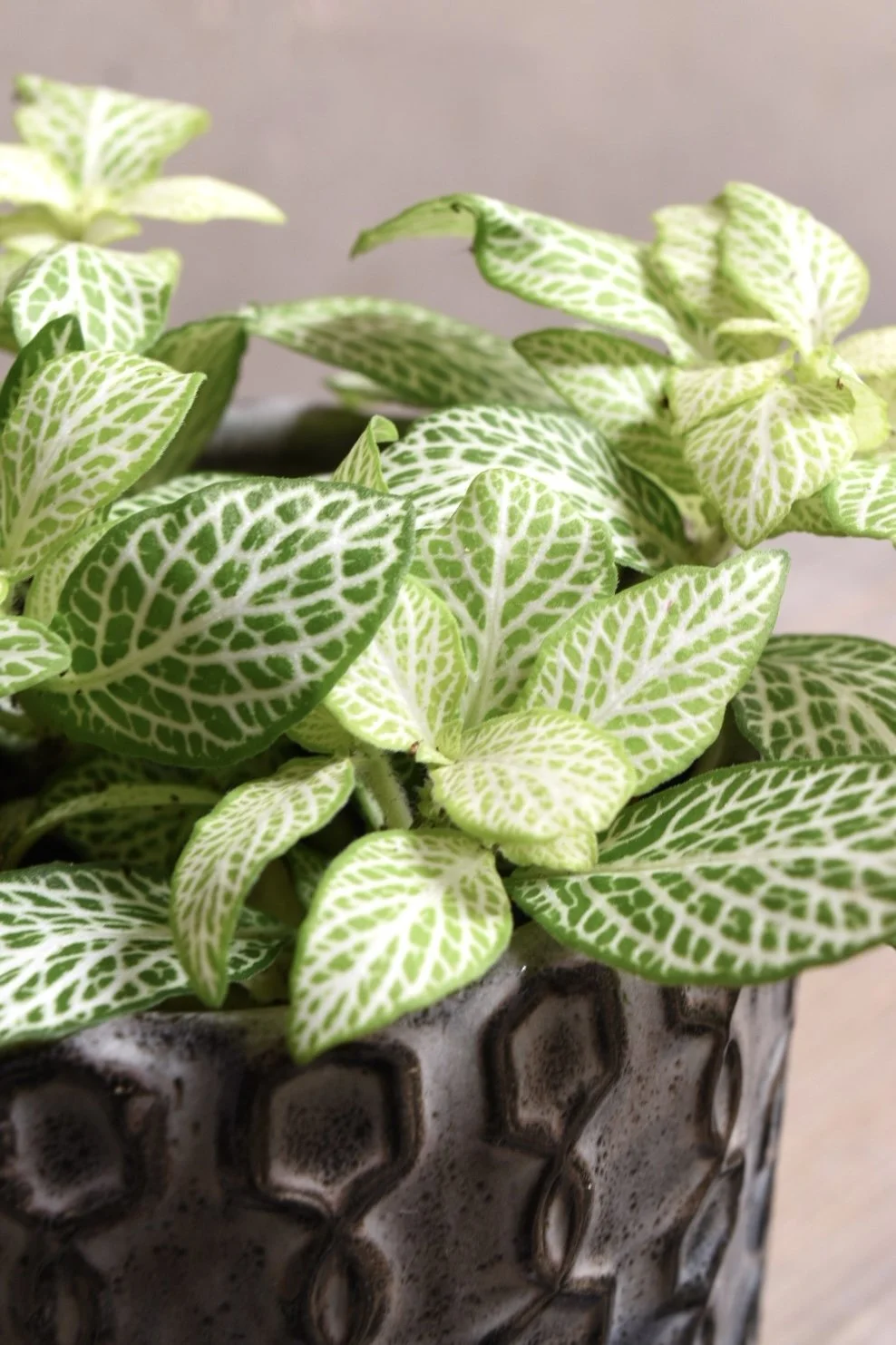
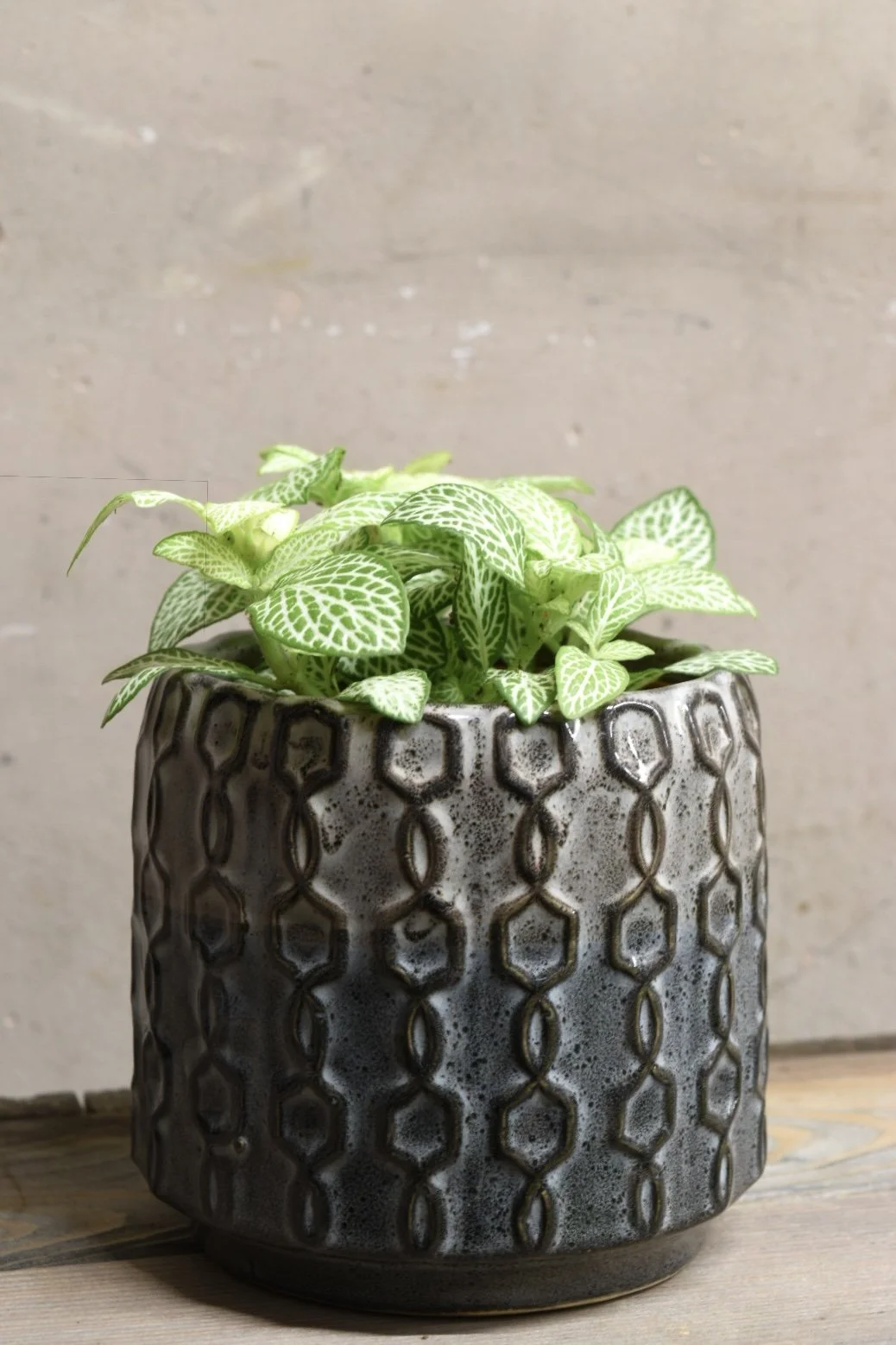
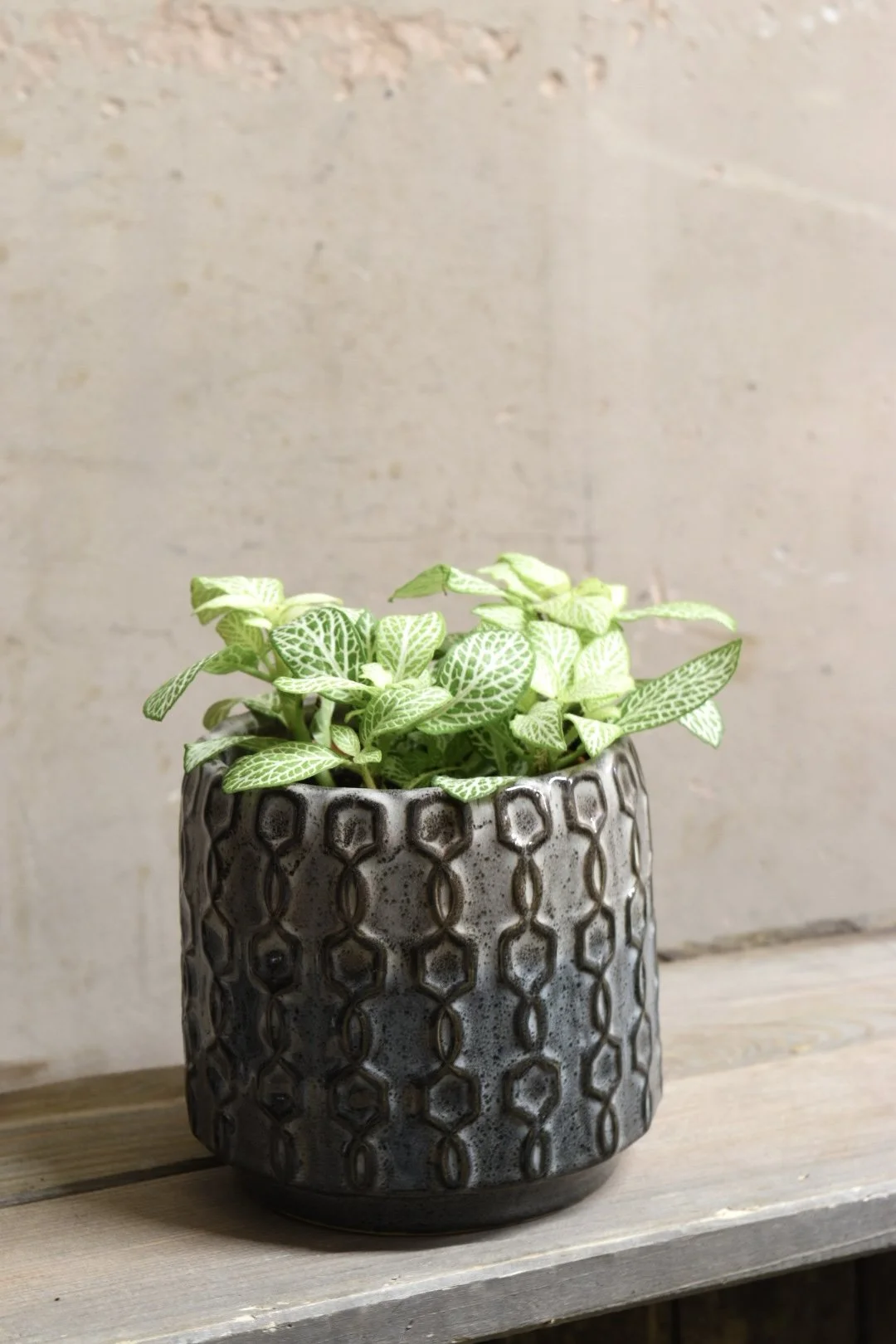
Fittonia albivenis (nerve plant) is a low-growing tropical houseplant prized for its striking veined foliage. Leaves are oval to elliptic, typically 1–3 inches long, with prominent contrasting veins in white, pink, or red against a green background. It forms a compact, spreading mat ideal for terrariums, small pots, or as a groundcover in shaded indoor displays.
Light
Bright, indirect light is best. Avoid direct sun, which can scorch leaves. Tolerates lower light but growth will slow and colors may fade.
Water
Keep evenly moist but not waterlogged. Water when the top 1/2 inch (1–1.5 cm) of soil feels slightly dry. Fittonia is sensitive to both drought (leaf drop) and overwatering (root rot). Use room-temperature, non-chlorinated water if possible. Good drainage is essential.
Humidity & Temperature
High humidity preferred (60%+ ideal). Mist regularly, use a pebble tray, or place near a humidifier. Comfortable temperature range: 60–80°F (16–27°C). Protect from cold drafts and sudden temperature changes.
Soil & Potting
Use a well-draining, peat-based or indoor potting mix with perlite. A mix for African violets or aroid blends works well.
Fertilizer
Feed lightly during the growing season (spring–early fall): balanced liquid fertilizer diluted to half strength every 4–6 weeks.
Propagation
Easily propagated from stem cuttings placed in water or directly into moist potting mix. Rooting typically takes 2–4 weeks.
Toxicity
Considered non-toxic to humans and pets, but ingesting any plant material can cause mild gastrointestinal upset.