
Chinese Elm Bonsai 50cm
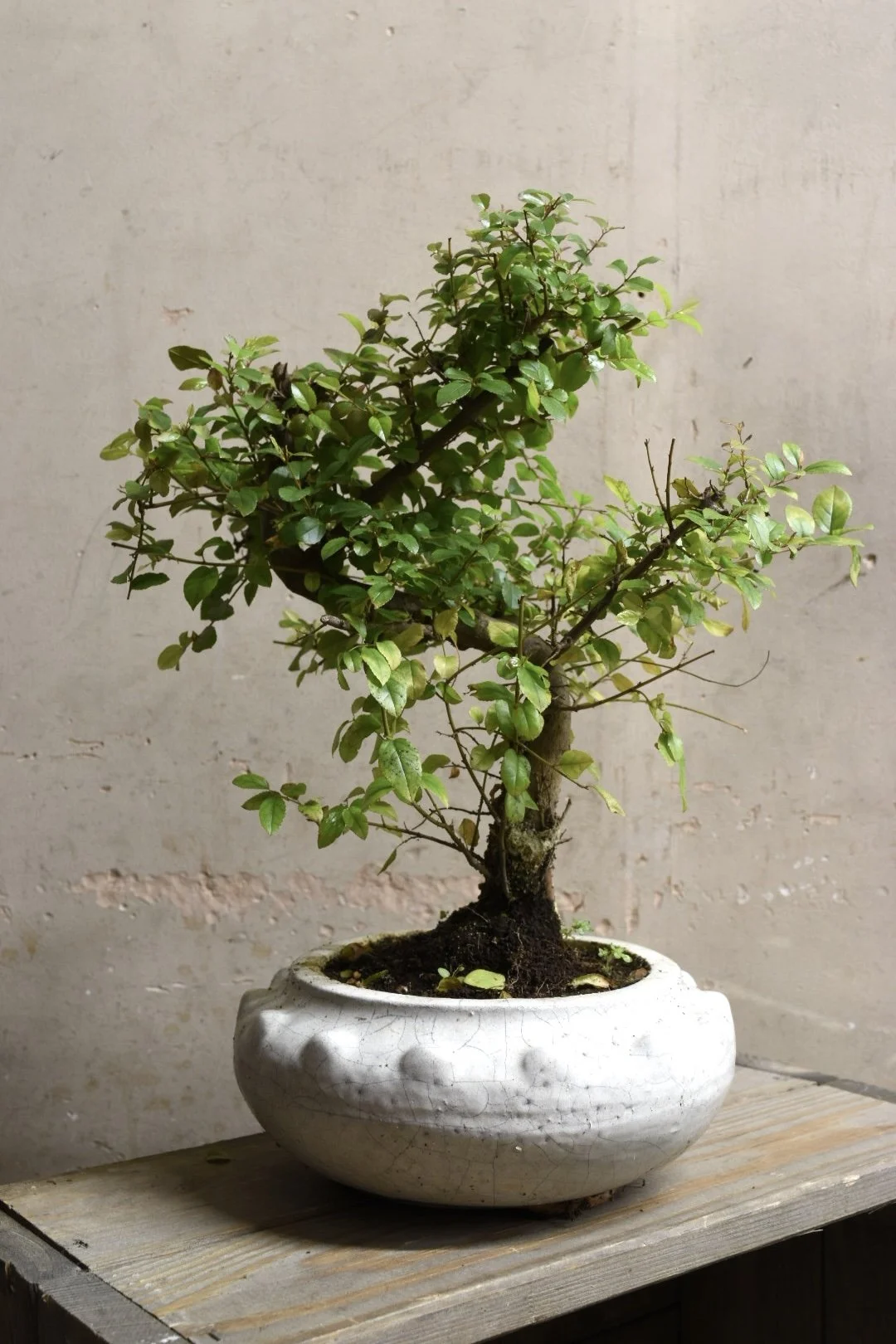
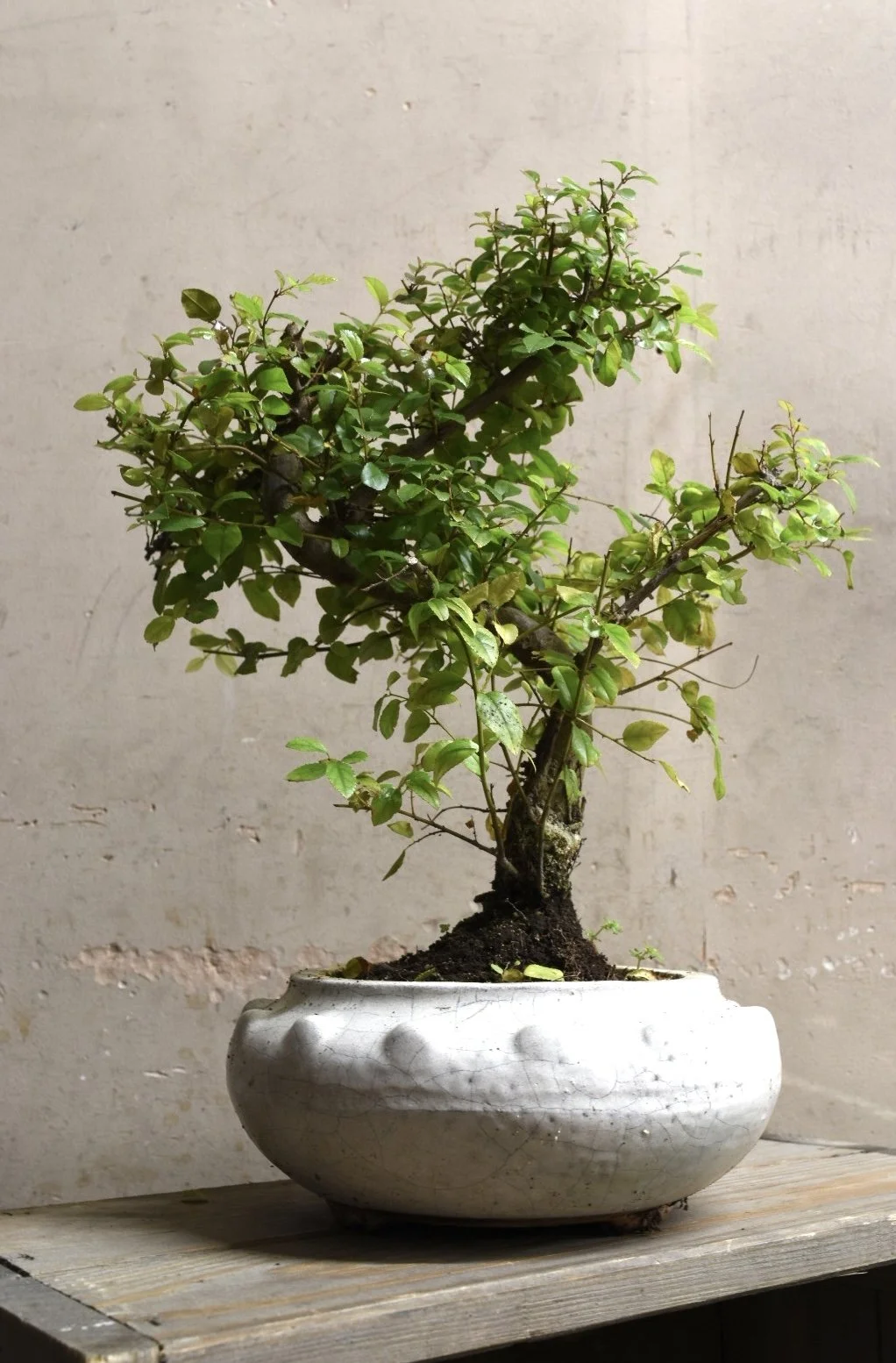
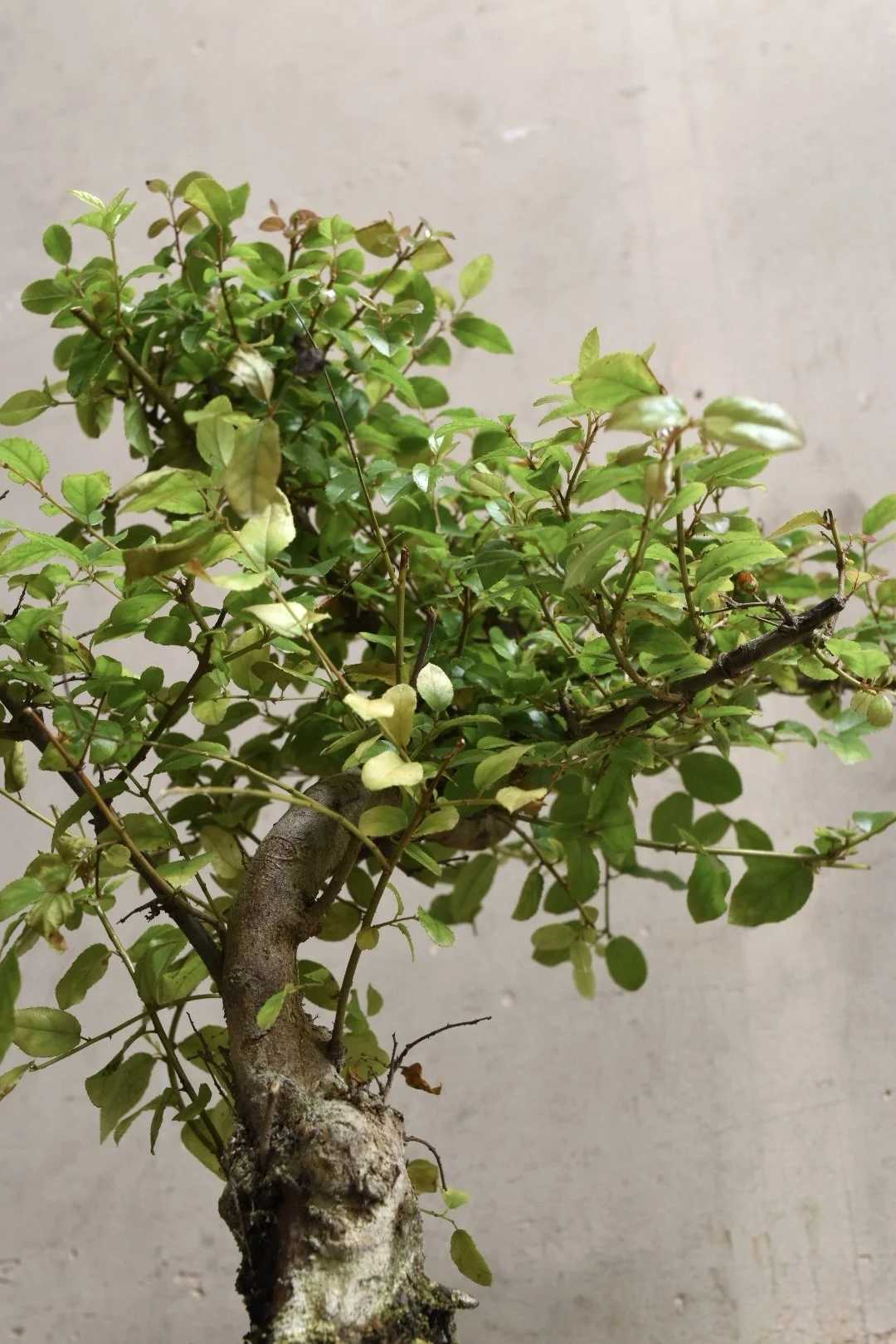
Chinese Elm Bonsai 50cm
Chinese Elm bonsai (Ulmus parvifolia) is a hardy, fast-growing deciduous/semideciduous tree prized for bonsai because of its small serrated leaves, attractive flaky bark, and elegant branching. It adapts well to indoor and outdoor cultivation in temperate climates, tolerates pruning and wiring, and responds quickly to training, making it excellent for beginners and experienced growers alike.
Placement
Light: Bright, indirect light is best. Provide 4–6 hours of morning or filtered sunlight daily. Avoid prolonged harsh afternoon sun, especially in summer.
Indoor vs. Outdoor: Semi-deciduous and hardy to mild outdoors; here in South London it can be kept outdoors most of the year. If grown indoors, place near a bright window and consider supplemental grow light.
Temperature & Humidity
Temperature: Tolerates a wide range (about 40–85°F / 5–29°C). Protect from prolonged freezing and extreme heat.
Humidity: Prefers moderate to high humidity. Use a humidity tray or humidifier for indoor trees, and mist lightly during dry spells.
Watering
Frequency: Keep soil evenly moist but not waterlogged. Water when the top 1–2 cm (about ½–¾ inch) of soil feels slightly dry.
Method: Water thoroughly until runoff emerges from the drainage holes. Avoid letting the root ball dry out completely.
Soil & Repotting
Soil: Use a well-draining bonsai mix (akadama, pumice, lava rock, or a combination with coarse grit). Good drainage is essential to prevent root rot.
Repotting: Repot every 2–3 years for young trees, every 3–5 years for older specimens. Repot in spring before new growth begins. Prune about one-third of the root mass if necessary and refresh the soil.
Feeding
Fertilizer: Feed regularly during the growing season (spring through early autumn). Use a balanced liquid fertilizer every 2–4 weeks or a slow-release bonsai fertilizer per label instructions. Reduce feeding in late autumn and stop in winter dormancy.
Pruning & Wiring
Structural pruning: Prune in late winter or early spring to shape and reduce branches. Remove crossing or crowded branches.
Maintenance pruning: Pinch back new shoots during the growing season to maintain shape and ramification.
Wiring: Use wire to shape branches, typically applied in late winter or early spring. Check wire every few weeks and remove or adjust before it starts to bite into the bark.
Pests & Problems
Common pests: Aphids, spider mites, scale, and caterpillars. Inspect regularly and treat with insecticidal soap or horticultural oil if needed.
Diseases: Root rot from overwatering; fungal leaf spots occasionally. Ensure good airflow, proper watering, and well-draining soil.
Seasonal Care
Spring: Major pruning, repotting if needed, start regular feeding.
Summer: Monitor water closely; provide afternoon shade if very hot.
Autumn: Reduce feeding and prepare for cooler temperatures.
Winter: Protect from severe frost if outdoors; reduce watering and stop fertilizing when growth ceases.
Propagation
Methods: Easily propagated from semi-ripe cuttings in summer or by seed. Cuttings are quicker for maintaining cultivar characteristics.