
Aloe Vera
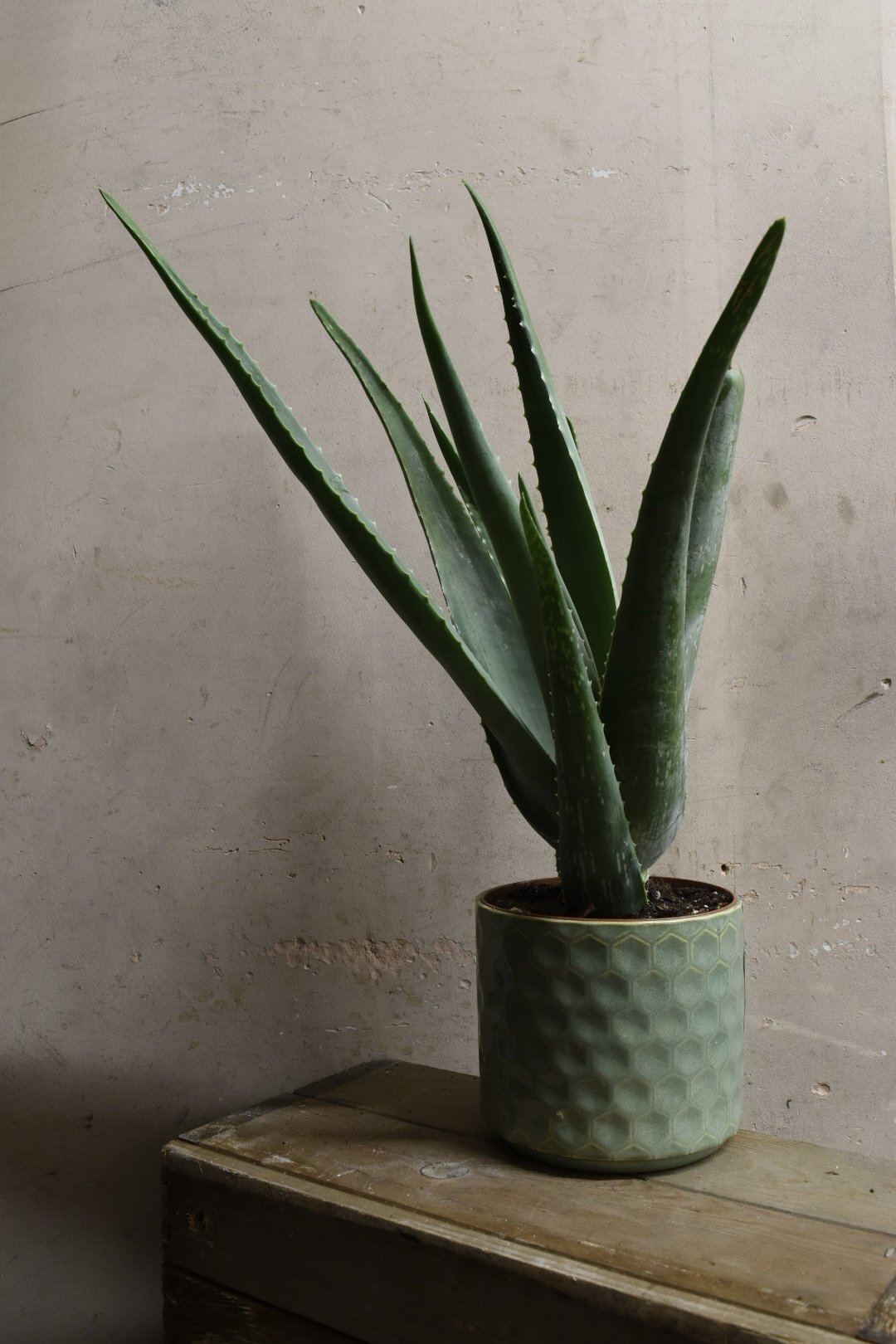
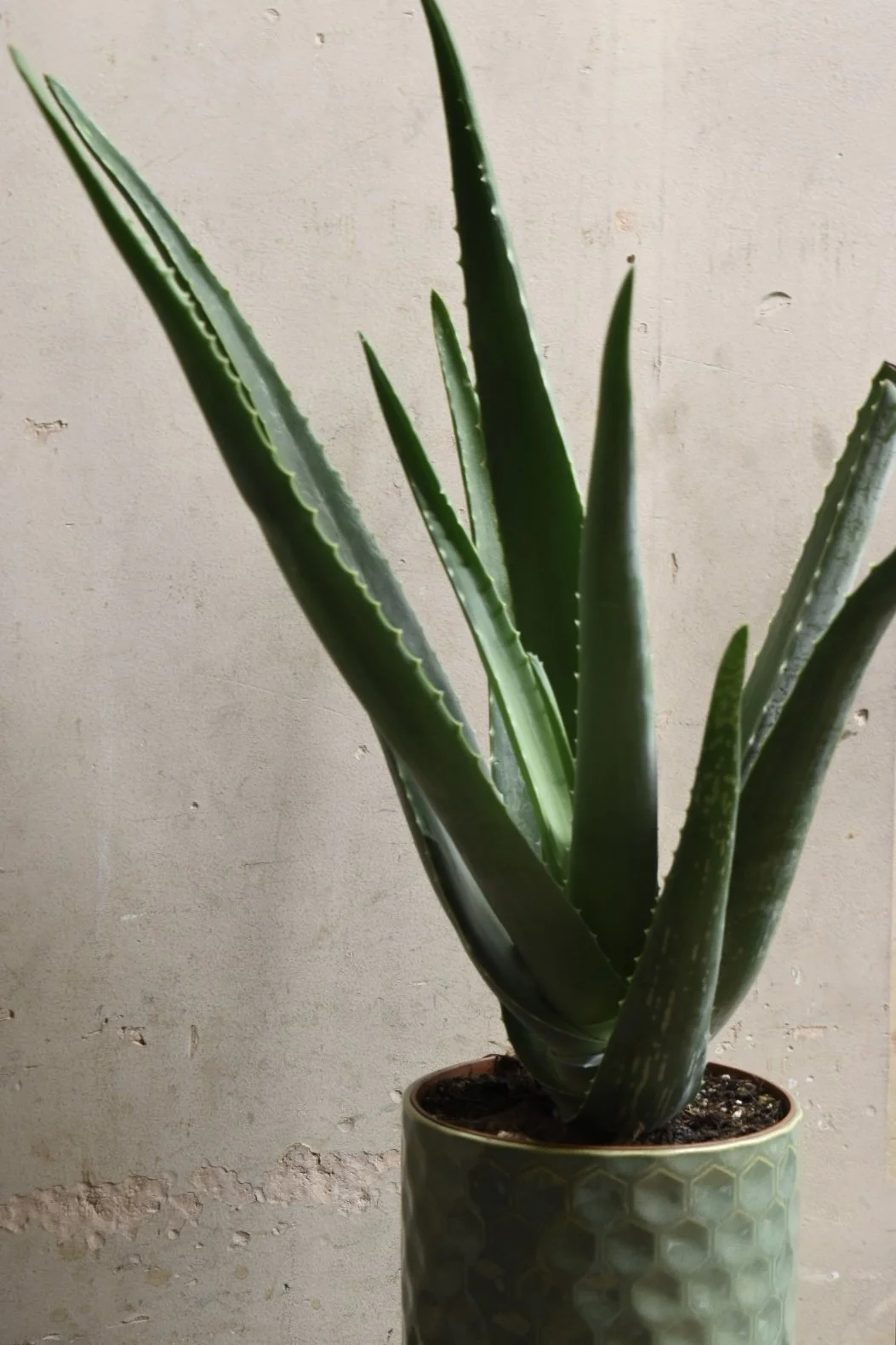
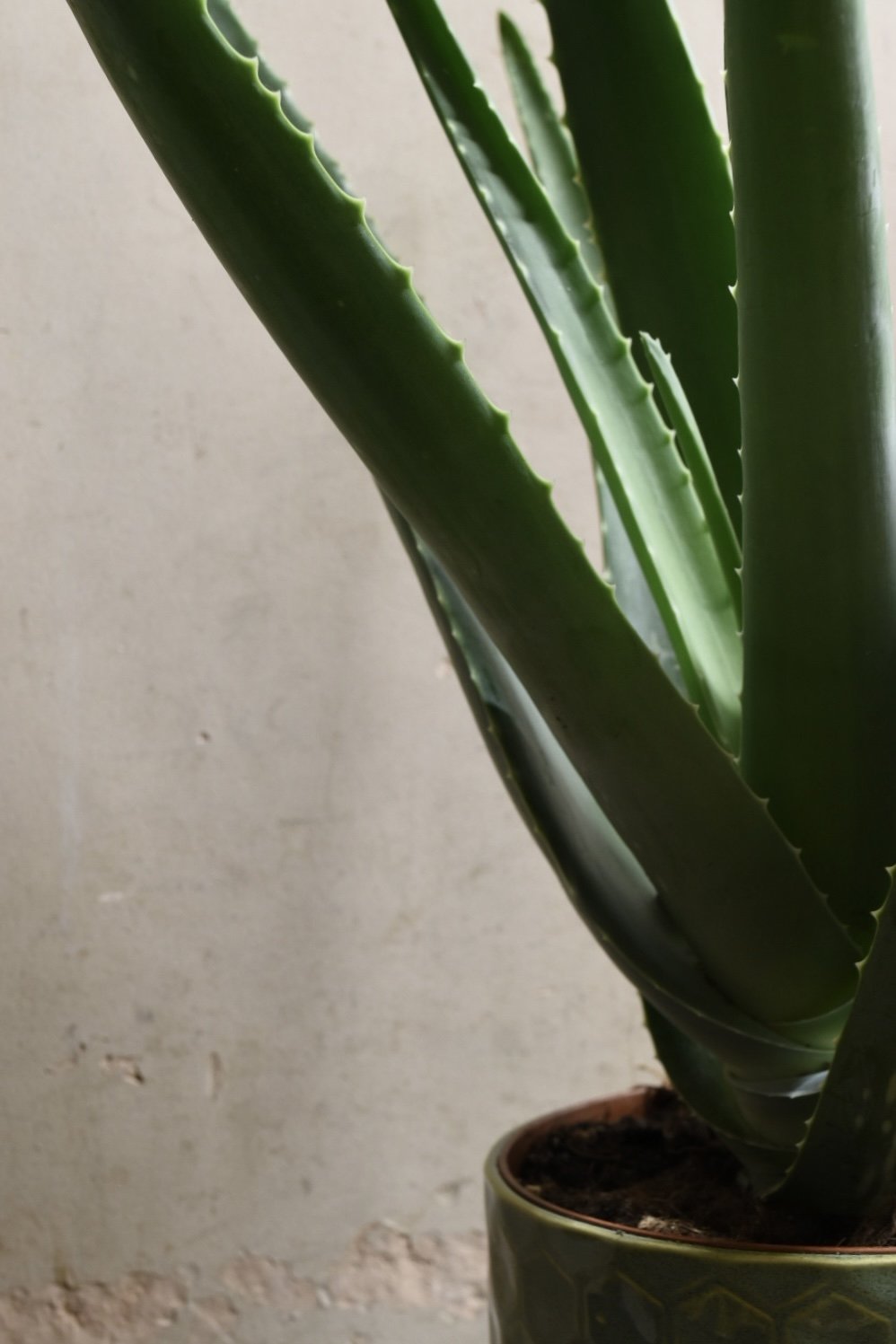
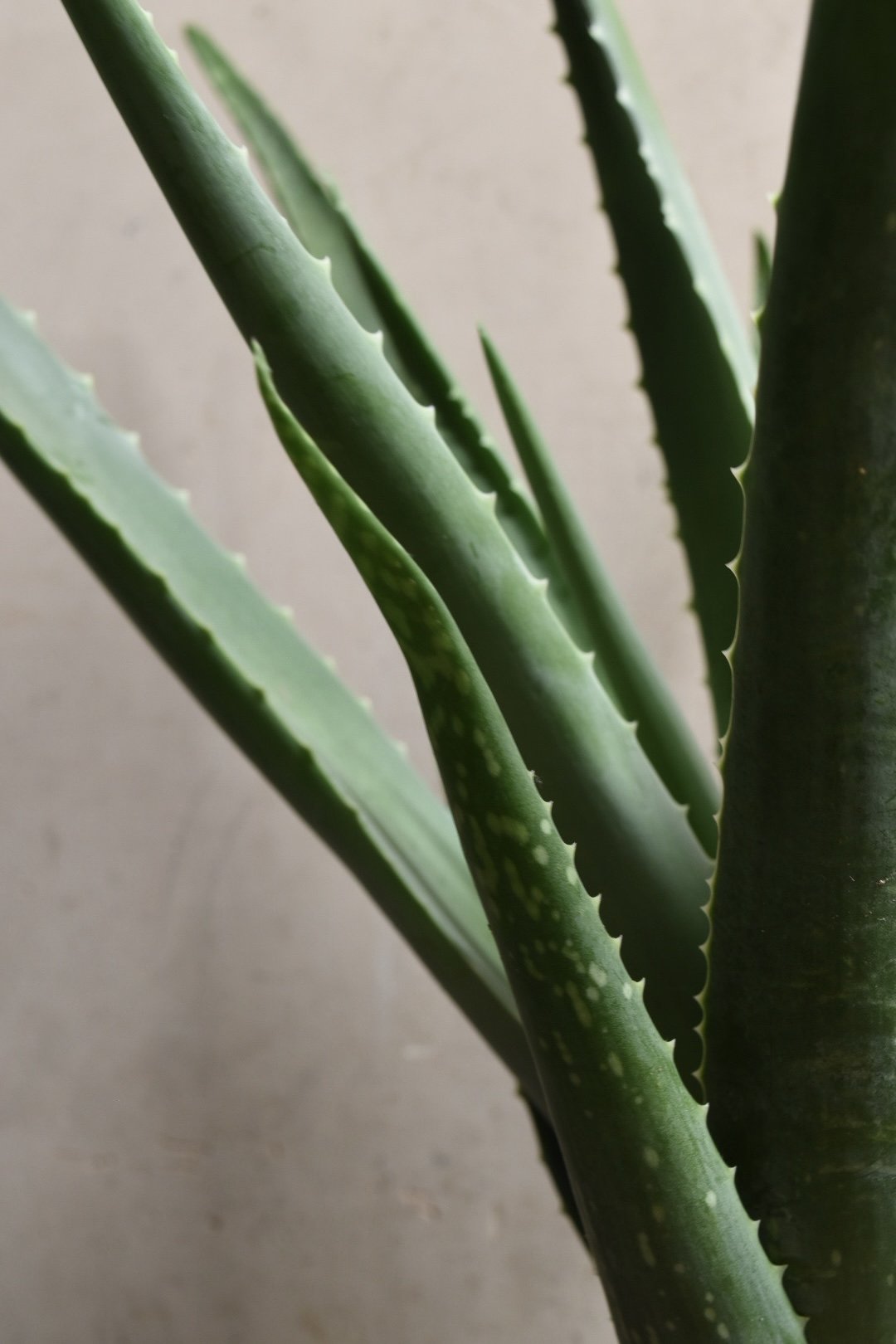
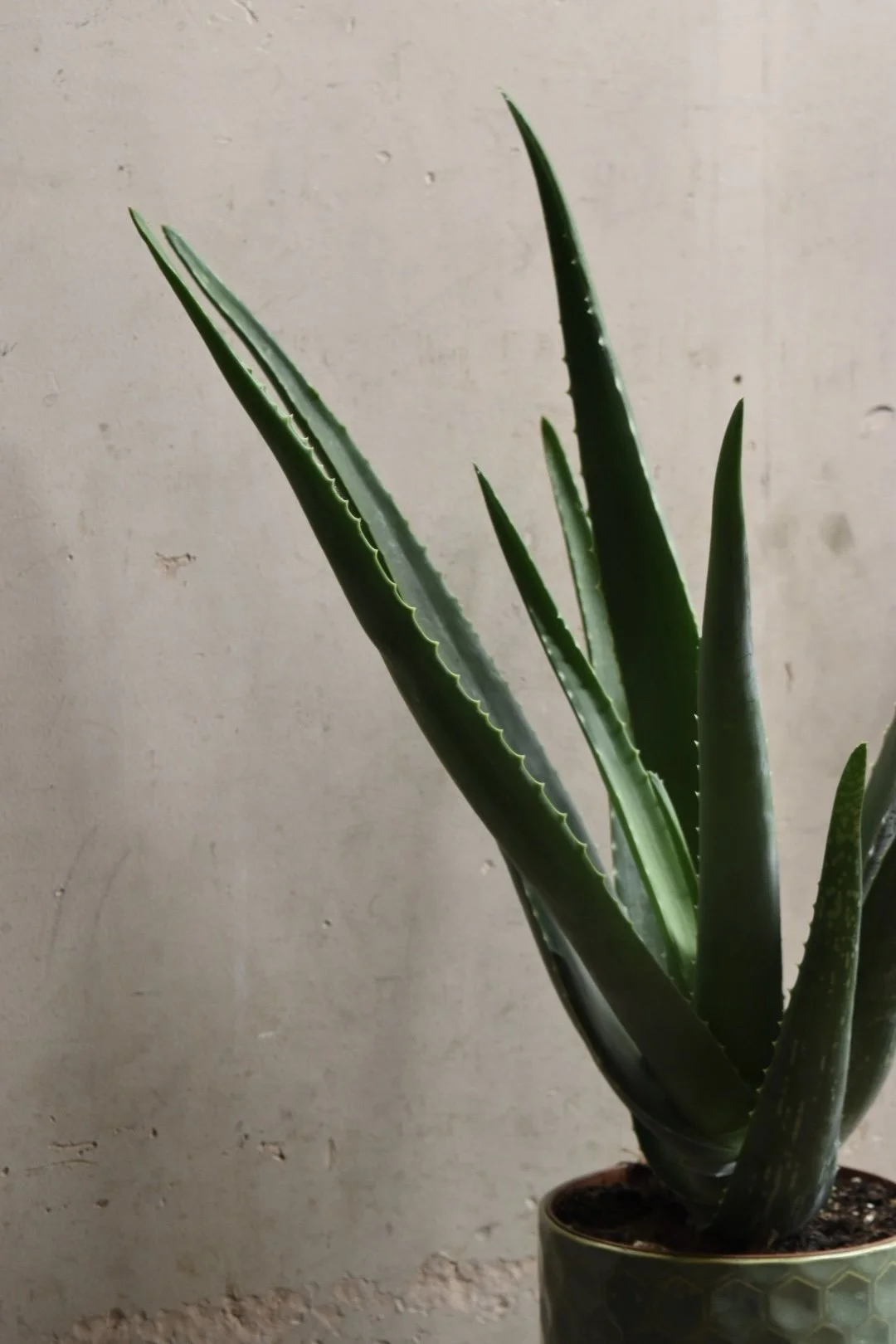
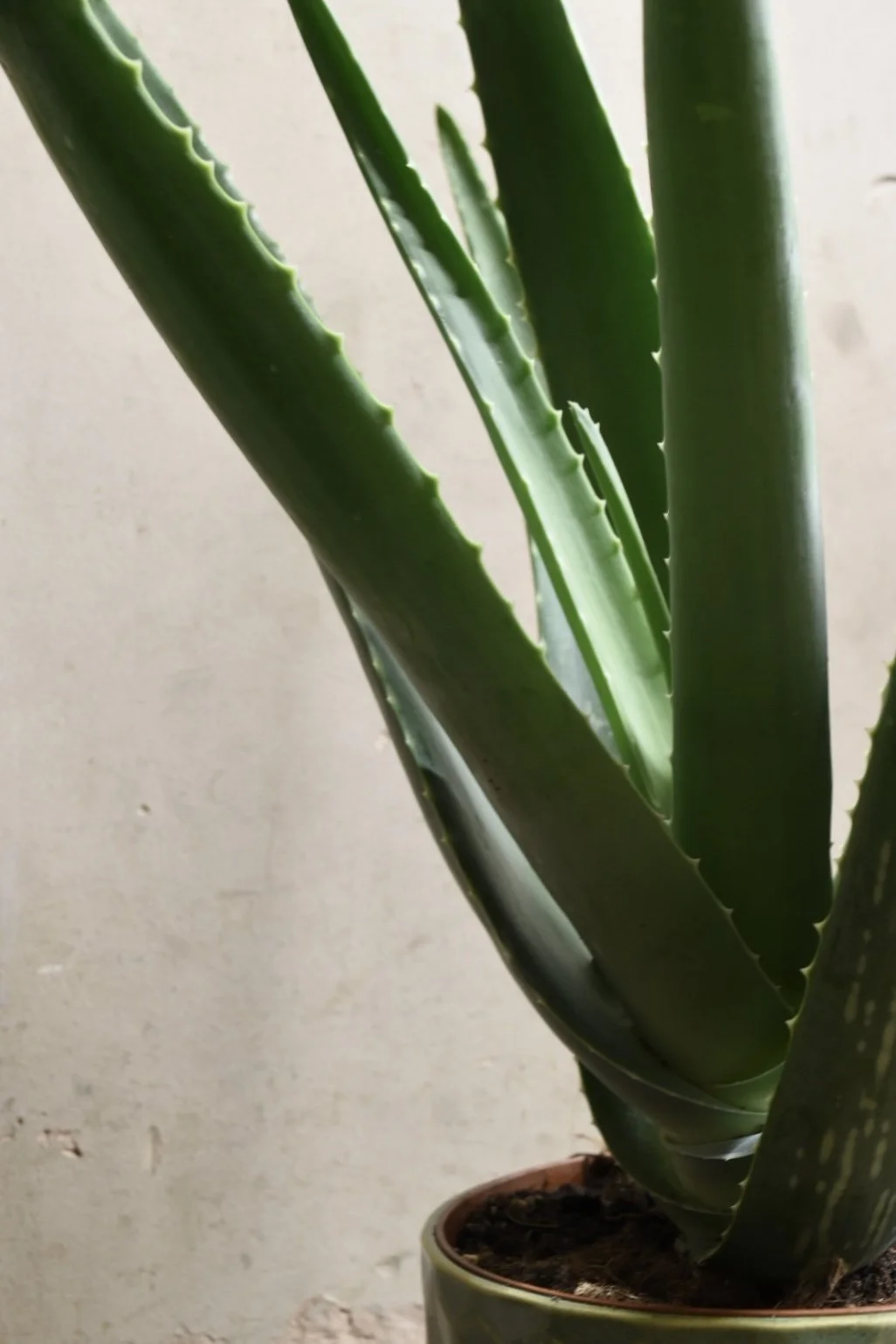
Aloe Vera
Aloe vera is a succulent plant known for its thick, fleshy leaves that contain a gel-like substance. This gel is widely recognised for its soothing properties, particularly in relation to skin burns and irritations. Aloe vera is also used in various cosmetic products and health supplements due to its hydrating and anti-inflammatory benefits. Preferring warm climates, the plant is easy to grow and maintain, making it a popular choice for gardens and indoor spaces.
Light
Aloe vera thrives in bright, indirect sunlight. Position your plant near a window where it can receive plenty of light without direct exposure, which can scorch the leaves. If indoors, a south-facing window is ideal.
Watering
Aloe vera requires infrequent watering. Allow the soil to dry out completely between waterings. Typically, watering every two to three weeks is sufficient during the growing season (spring and summer). Reduce watering in the dormant season (autumn and winter) to once a month or less.
Soil
Use a well-draining potting mix, preferably one designed for cacti or succulents. You can also create a suitable mix by combining standard potting soil with sand or perlite to improve drainage.
Temperature and Humidity
Aloe vera prefers warmer temperatures, ideally between 21°C and 29°C (70°F to 85°F). It thrives in low humidity, making it suitable for most indoor environments. Avoid exposing it to temperatures below 10°C (50°F).
Fertilisation
Aloe vera does not require frequent fertilisation. During the growing season, you may apply a diluted liquid fertiliser once a month to promote growth. Avoid fertilising in the autumn and winter months.