
Stenocereus Griseus
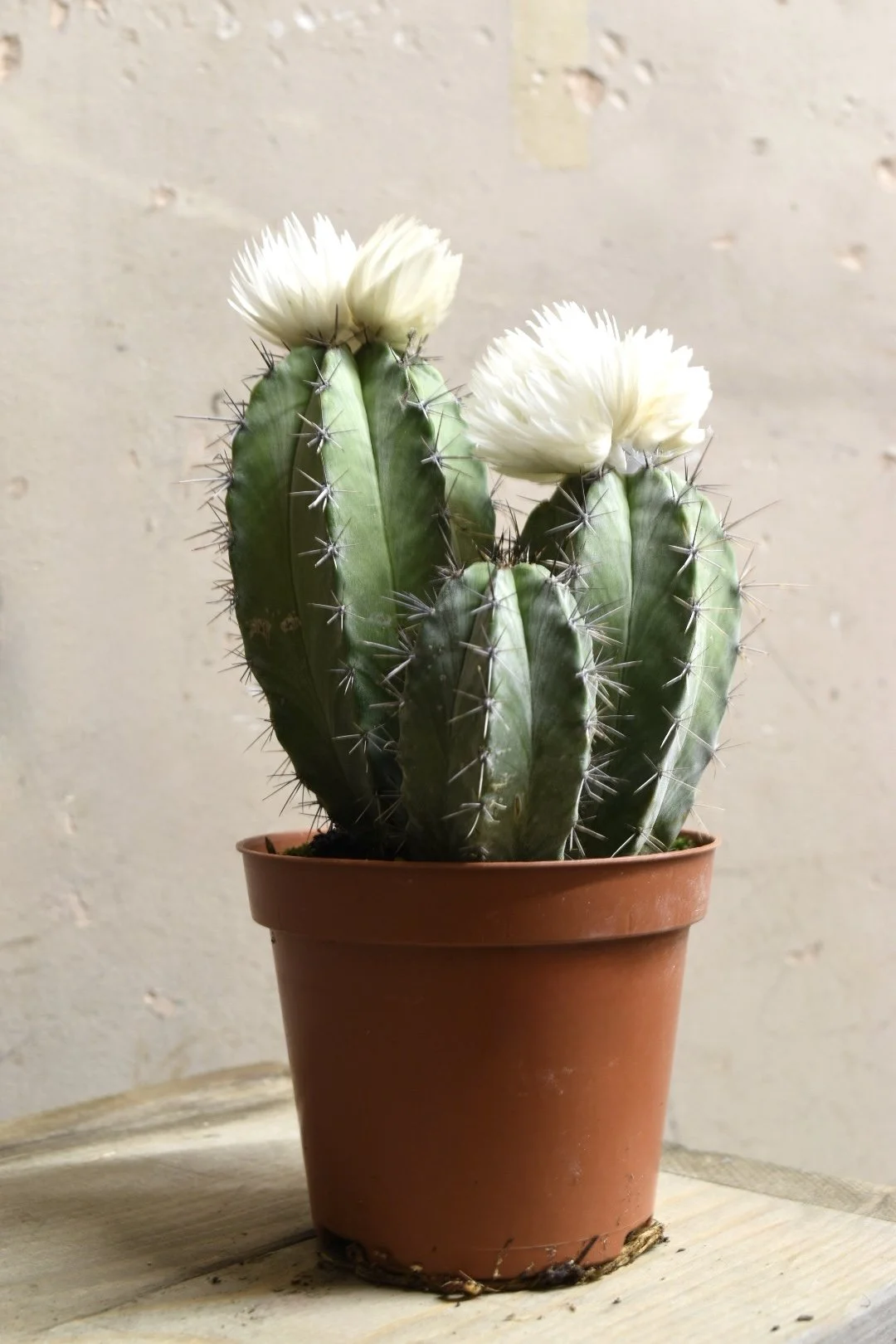
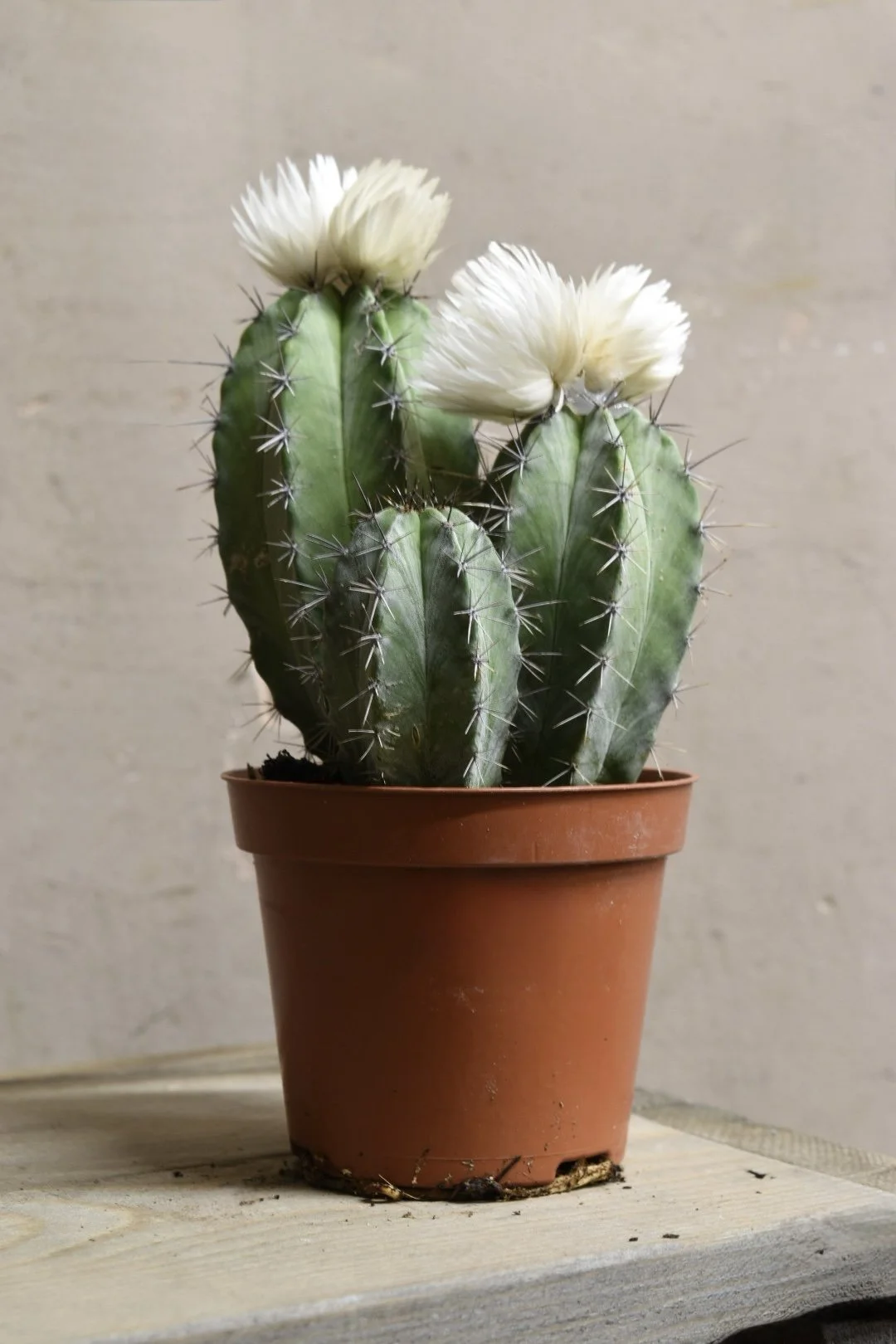
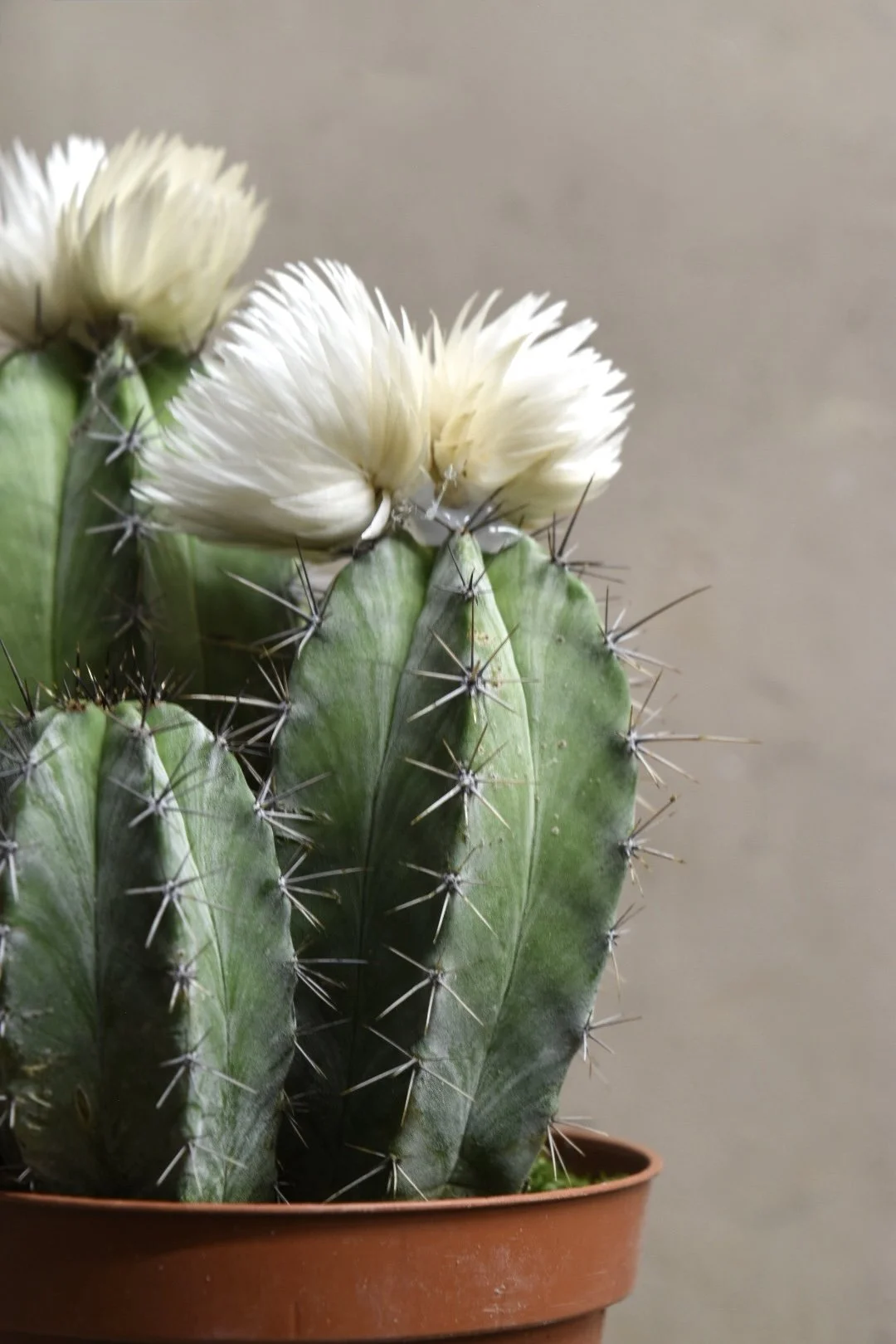
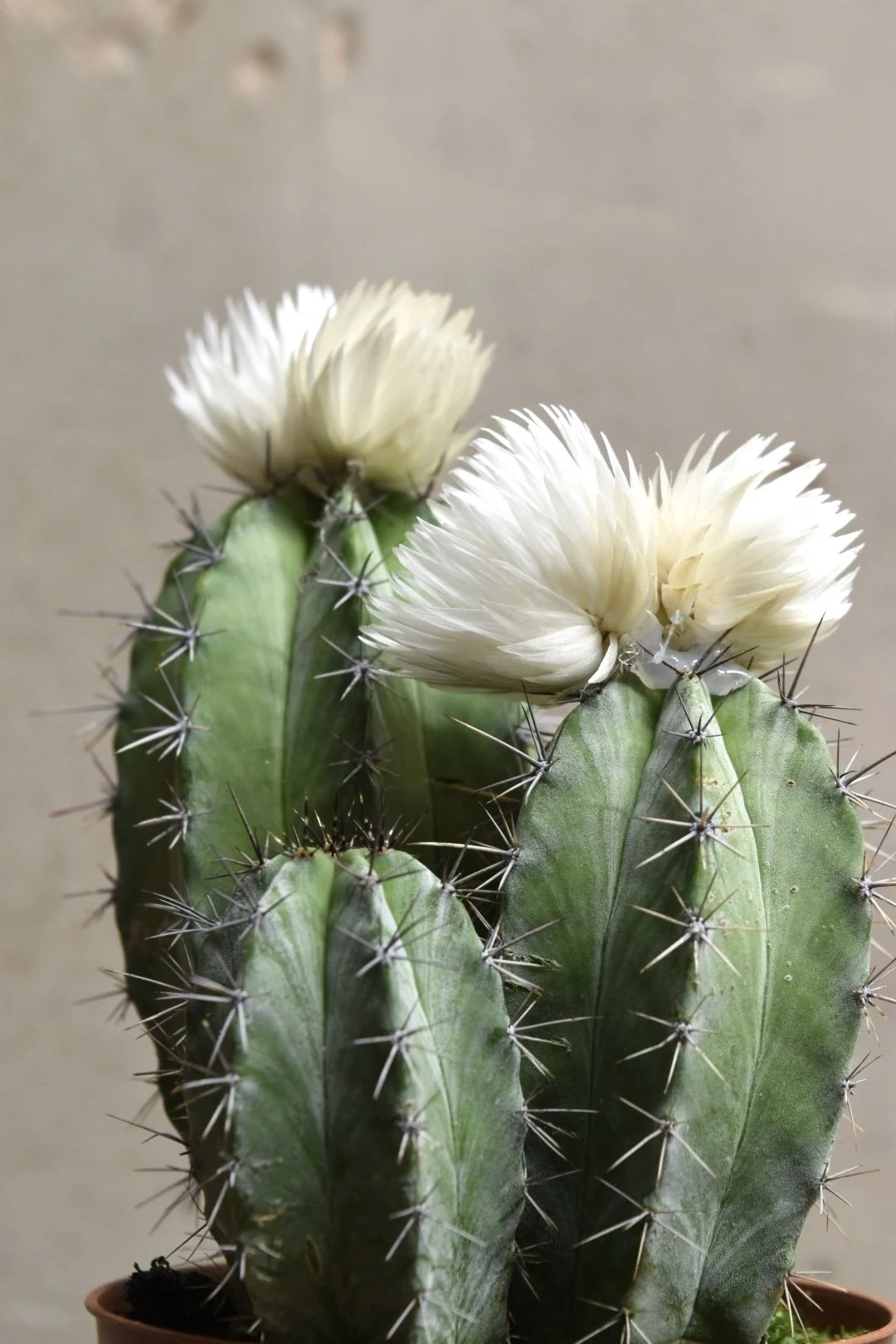
Stenocereus Griseus
Stenocereus Griseus is a columnar cactus native to arid and semi-arid regions of Mexico and parts of Central America. It typically forms upright, multi-stemmed columns that can reach several meters tall, with bluish-gray to green stems ribbed and bearing short, woolly areoles and stout spines. This species produces large, night-blooming, funnel-shaped white to pale pink flowers that attract nocturnal pollinators like bats and moths, followed by edible, flavorful fruits often called pitaya or pitahaya. Stenocereus griseus is drought-tolerant, prefers full sun and well-draining soil, and is commonly used in xeriscaping, coastal gardens, and as a specimen plant where frost is minimal.
Light
Provide full sun to very bright light. Aim for at least 6–8 hours of direct sunlight daily. In windows, a south- or west-facing exposure is best. Gradually acclimate plants to stronger sun to avoid sunburn.
Temperature
Prefers warm temperatures. Ideal range: 70–95°F (21–35°C) in summer. Can tolerate short dips to around 40°F (4–5°C) but should be protected from prolonged cold and frost.
Watering
Water sparingly. During the active growing season (spring–early fall), water when the top 2–3 inches (5–7 cm) of soil are dry. Deep water, then allow soil to dry completely before the next watering. In winter, reduce frequency drastically—water only enough to prevent shriveling (often once a month or less).
Soil & Potting
Use a fast-draining cactus or succulent mix. You can improve drainage by adding coarse sand, pumice, or perlite (about 20–30% by volume).
Fertilizer
Feed lightly during the growing season with a balanced, low-nitrogen cactus fertilizer (e.g., 5-10-10) or a specialized cactus feed. Apply monthly or according to product instructions. Do not fertilize in winter.
Humidity
Low to moderate humidity is fine. Stenocereus griseus is adapted to dry environments and does not require extra humidity.
Pruning & Support
Minimal pruning is needed; remove dead or damaged stems with clean, sharp tools. Larger specimens may need staking or support if leaning. Wear protective gloves when handling.
Propagation
Easily propagated from cuttings. Allow cut ends to callus for several days before planting in well-draining soil. Rooting takes a few weeks to months depending on conditions.
Blooming
Produces nocturnal or crepuscular flowers in warm climates; flowering may be infrequent in pots. Adequate light and appropriate seasonal temperature shifts encourage blooms.