
Clusia Princess Hydroponic
Clusia Princess Hydroponic
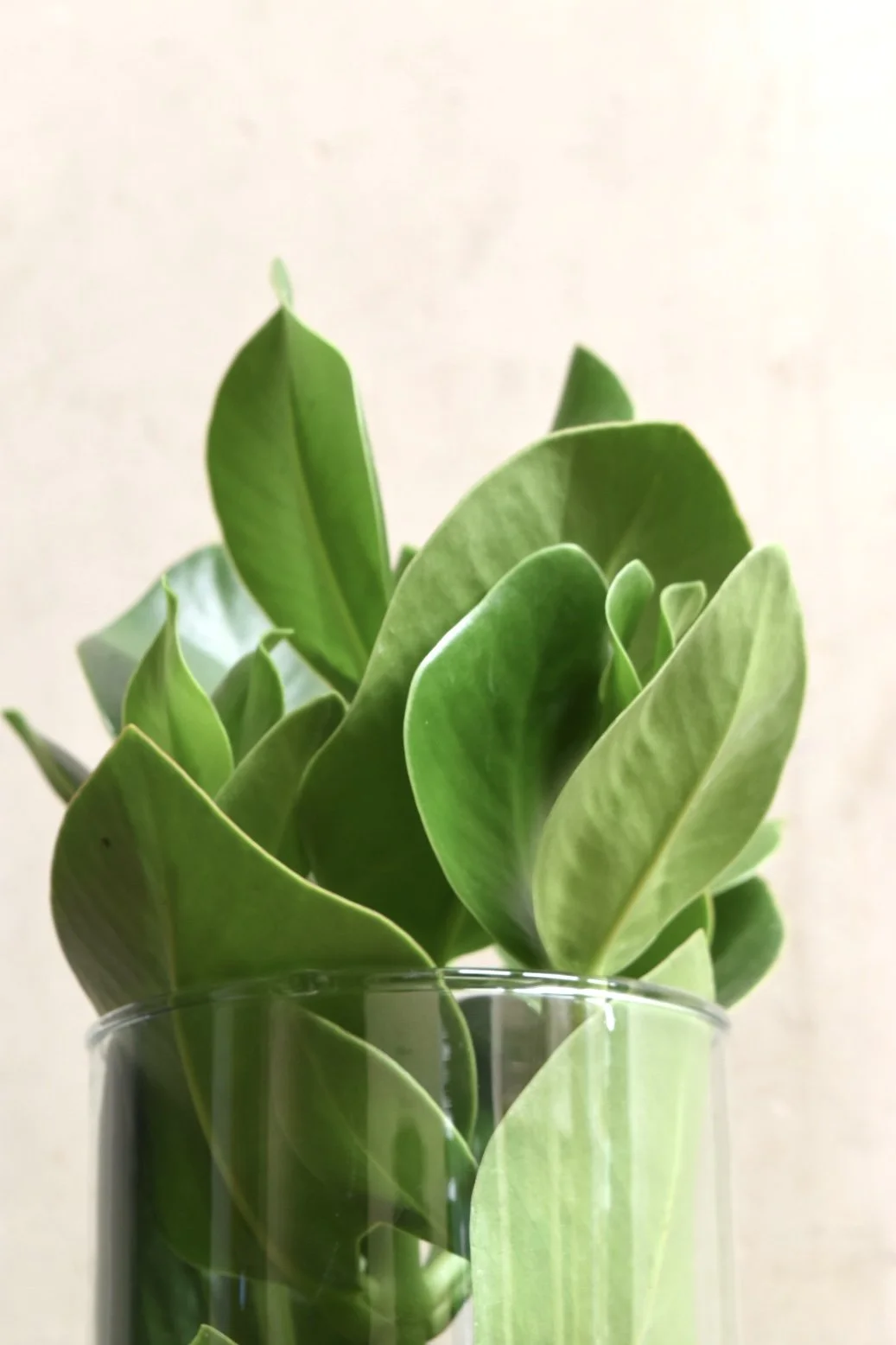
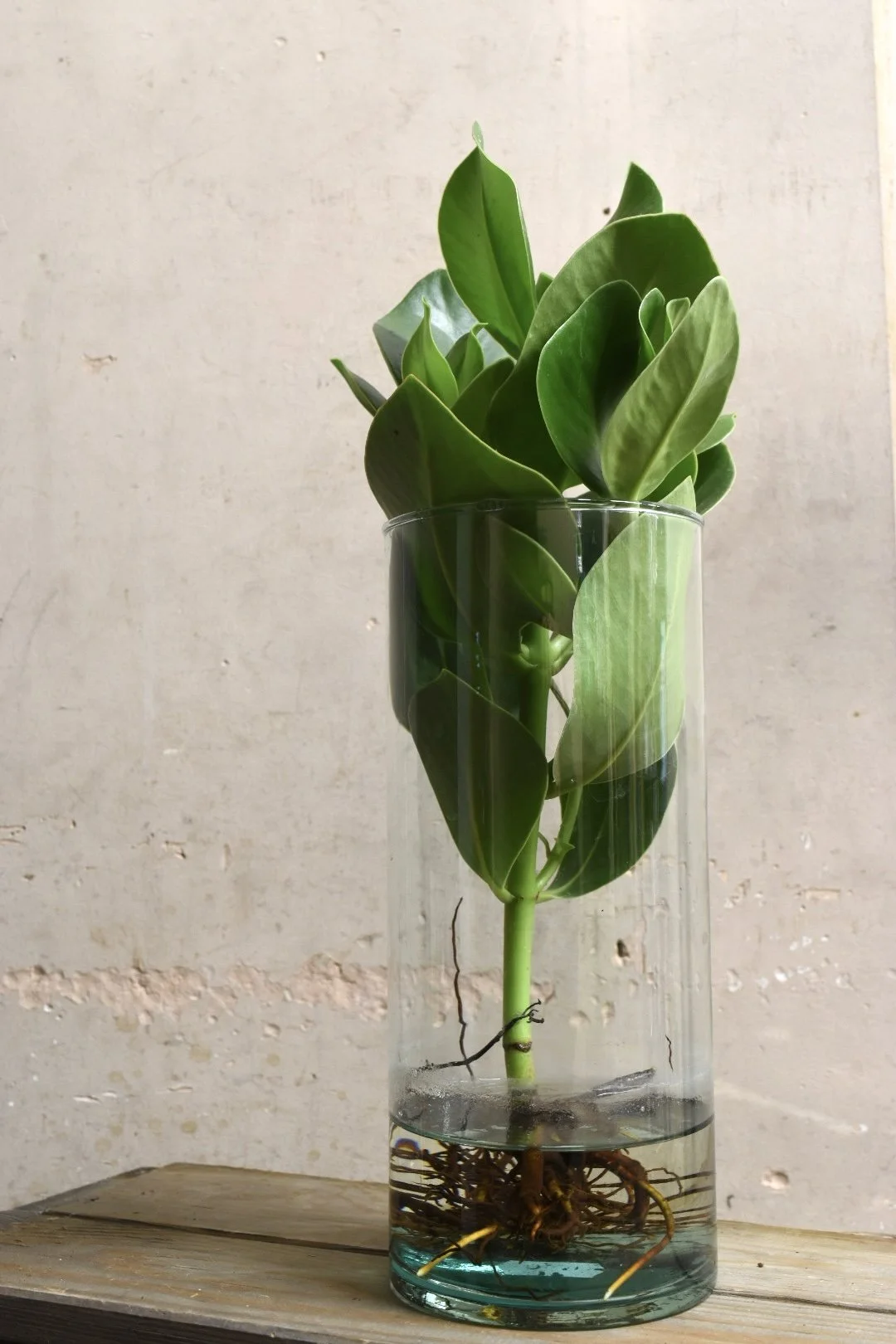
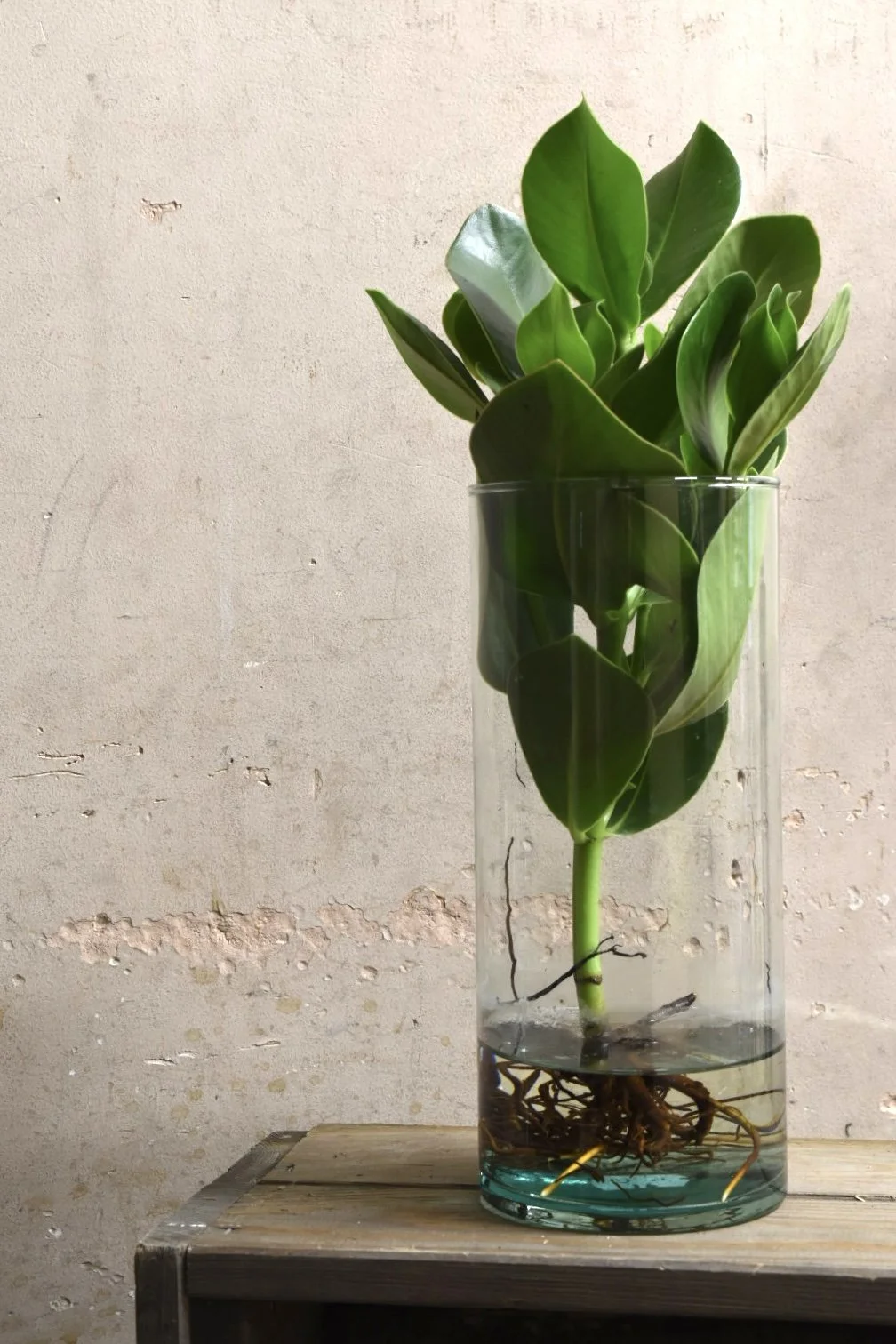
Clusia (often called the Autograph Tree) adapts well to hydroponic systems thanks to its sturdy stems and leathery, glossy leaves. In hydroponic culture it rewards growers with compact, attractive foliage and steady growth when provided with stable conditions.
Nutrient solution
pH level: Aim for a pH range of 5.5–6.5. Test the solution regularly (at least weekly) and adjust with pH up/down additives as required.
Nutrients: Use a balanced hydroponic nutrient formula that supplies macronutrients (N, P, K) and essential micronutrients (Fe, Mn, Zn, Cu, B, Mo, etc.). Follow the manufacturer’s dilution and dosing schedule. Monitor plant appearance for signs of deficiency or excess and adjust concentration slightly if needed.
EC/PPM: Keep electrical conductivity (EC) or parts-per-million (PPM) within the range recommended by your nutrient brand for foliage plants — typically a moderate feed level. Young or recently propagated plants need lower EC; mature plants tolerate higher levels.
Light requirements
Intensity: Provide bright, indirect light. Clusia tolerates some direct morning or late-afternoon sun but avoid hot midday sun that can scorch leaves.
Duration: Supply 12–16 hours of light daily when using grow lights (LED or fluorescent) to support steady growth. Use a timer for consistent photoperiods.
Light distance: Position LEDs or fluorescents at the manufacturer’s recommended distance to avoid heat stress or light burn.
Watering and reservoir management
Water quality: Use clean, low-mineral water—distilled, reverse-osmosis, or rainwater if possible—to reduce chemical and salt buildup.
Reservoir care: Keep the growing medium consistently moist without letting roots sit in stagnant, anaerobic water. Maintain an appropriate reservoir volume and top up with fresh nutrient solution as needed.
Solution changes: Replace the nutrient solution every 1–2 weeks (or as recommended by your system/nutrient supplier) and clean the reservoir to prevent algal growth and pathogen buildup.
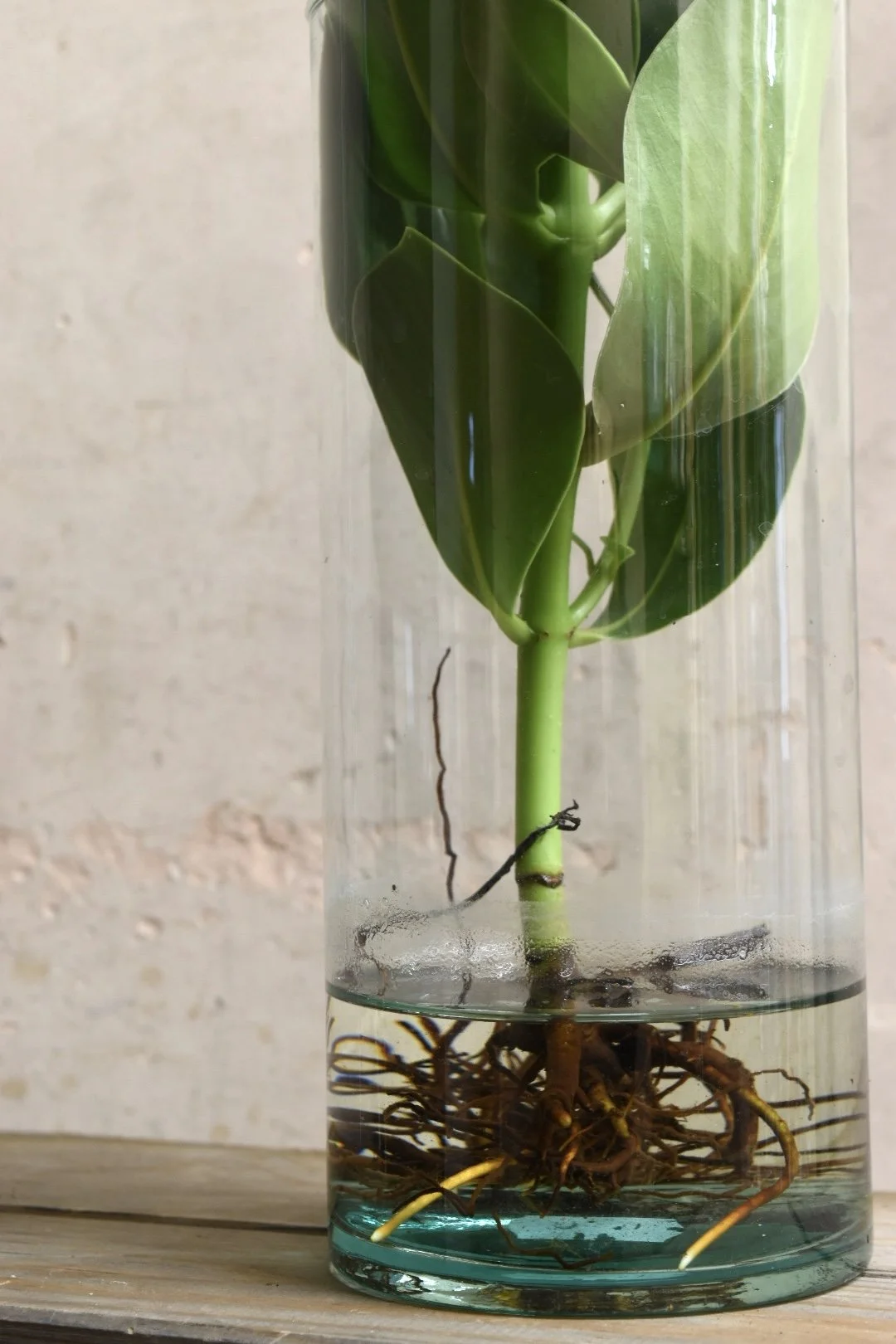
Aeration: Ensure good oxygenation of the root zone—use an air pump and air stone in DWC systems or ensure adequate flow/circulation in other setups.
Temperature and humidity
Temperature: Maintain daytime temperatures around 20–30°C. Avoid sudden temperature drops or exposure below 15°C.
Humidity: Keep relative humidity between 40% and 60%. If ambient humidity is low, raise it with a humidifier, humidity tray, or by grouping plants.
Support and training
Structural support: If Clusia develops heavy branches or becomes top-heavy, provide stakes or supports as needed.
Root checks: Periodically inspect roots for healthy white/tan color. Brown, slimy, or foul-smelling roots indicate root rot—reduce nutrient strength, improve aeration, and consider a partial solution change plus treatment with beneficial microbes or hydrogen peroxide per safe guidelines.